
The Geometry of High Stakes
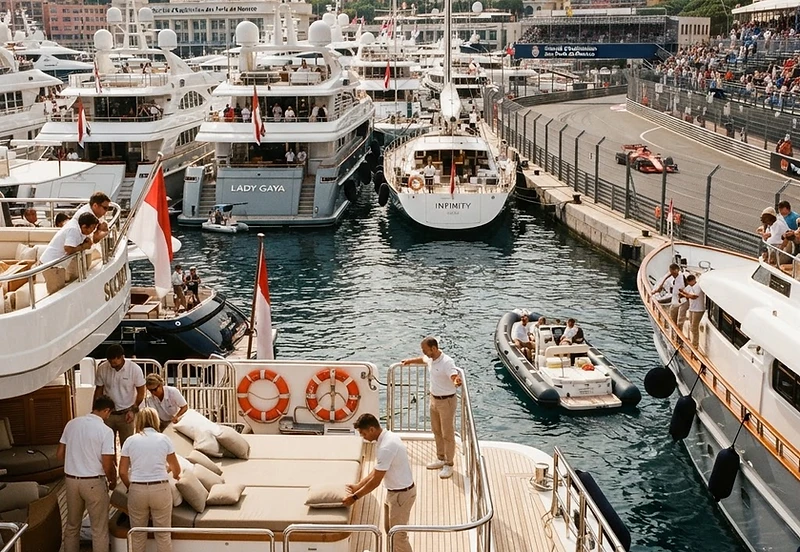
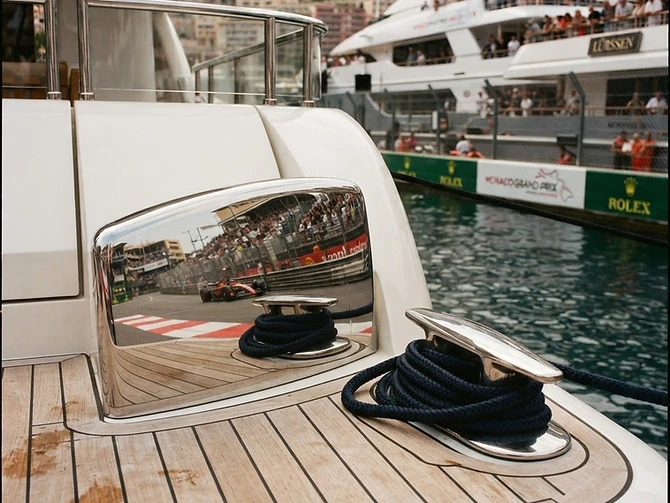
To witness Port Hercules during the week of the Monaco Grand Prix is to observe the absolute pinnacle of maritime choreography. From the flybridge of a 60-meter Feadship, the chaos of the harbor—usually an intimidating tangle of stern-to berths—takes on the clarity of a well-oiled engine. As the sharp report of Formula 1 engines resonates against the limestone cliffs of the Rocher, the primary concern of every captain remains the stability of their mooring lines and the integrity of their fenders against the constant wash. The port is deeply sheltered by the seawalls that extend into the Ligurian Sea, providing a calm basin even when the mistral kicks up outside, but the true challenge is not the weather; it is the sheer density of tonnage, from sleek Nautor's Swan sailers to towering Lürssen motoryachts, wedged within a confined urban footprint.
The Architecture of the Quay
Berthing here is an exercise in managed pressure. The harbor, expertly overseen by the Société d'Exploitation des Ports de Monaco, utilizes a concrete quay system engineered to accommodate superyachts with drafts up to 10 meters in its deepest dredged sections. However, one must remain vigilant of the shallowing near the inner berths, where tidal variation—though modest in this basin—demands precise depth sounding during arrival. For the crew, the week is defined by the logistics of utility: the harbor offers robust shore power connections, though the sheer power draw of fifty superyachts simultaneously running full galley service and stabilizers requires careful synchronization with local grid supervisors. Fresh water access is plentiful, piped directly to the berths, though the high salinity of the port environment necessitates a daily ritual of chamois and polish to keep the stainless steel gleaming under the harsh Mediterranean sun.
The Rhythms of the Paddock
Life aboard during race week oscillates between the static intensity of the bridge and the fluid requirements of the guest experience. On the aft deck, the air is thick with the smell of high-octane fuel and the crisp, salty tang of the morning sea spray. We find that the most authentic moments occur before the grandstands wake up—when the scent of freshly pressed espresso from the galley mingles with the faint, persistent thrum of harbor generators. Provisioning is an art form here; with the local markets near the Condamine district swamped, most captains rely on the seamless delivery services provided by specialized chandleries, ensuring that fresh produce and refrigerated goods reach the gangway before the morning’s first practice session disrupts road access to the quay. Security is absolute, with access controlled at every gate, providing a necessary, quiet bubble amidst the high-speed velocity of the circuit.
As the sun dips behind the Tête de Chien, the harbor lights reflect off the water, creating a shimmering mosaic that obscures the industrial reality of the port. The engines finally quiet, leaving only the gentle slap of water against the hulls of the surrounding fleet, a reminder that before the roar of the race, this has always been a sanctuary of the sea.






