
The Anatomy of an Atlantic Approach
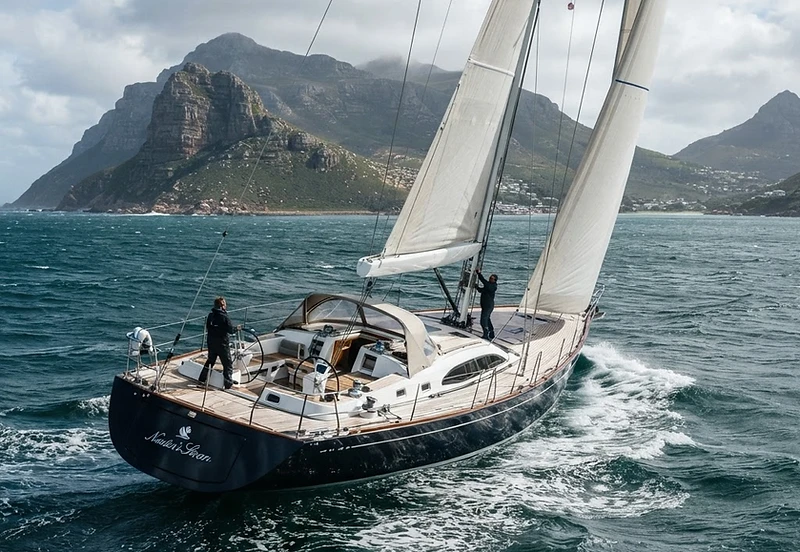
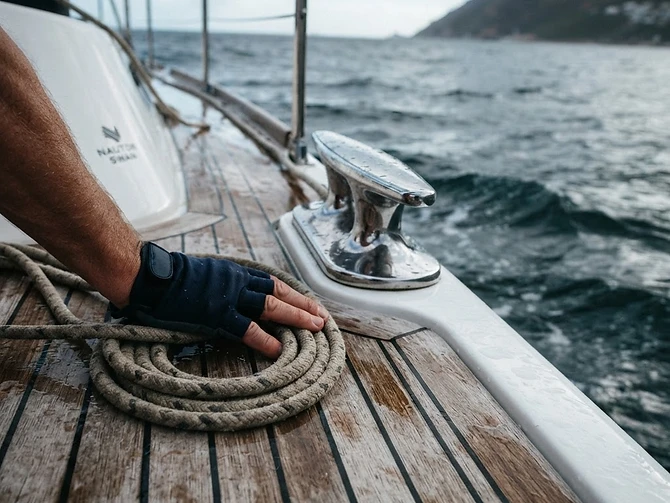
The transition from the sheltered berths of the V&A Waterfront to the open Atlantic is a study in shifting textures. As our pilot eased the Nautor’s Swan away from the quay, the cityscape of Cape Town dissolved into a backdrop of sharp, granite peaks. There is a particular clarity to the light here; it is hard, bright, and uncompromising. Clearing the breakwater, the yacht met the rhythmic pulse of the Atlantic swell, a heavy, long-period roll that defines the navigation of the Cape Peninsula. One does not simply sail these waters; one negotiates with the Benguela Current. Aboard, the crew moved with practiced efficiency, stowing lines and checking the tension on the rigging. The silence of the open ocean was punctuated only by the low hum of the engines and the rhythmic slap of cold water against the composite hull. We were making for the lee of Hout Bay, a harbour that feels less like a port and more like a fortress carved into the base of the Sentinel.
The Galley and the Cold-Water Harvest
Anchored in the quiet depths off Duiker Island, the world narrowed to the sound of barking seals and the gentle clatter of the galley. Our chef had returned at dawn from the Kalk Bay harbour, where the local line-fishers land their catch before the sun has cleared the Muizenberg horizon. The morning’s haul was extraordinary: fresh West Coast rock lobster—the Jasus lalandii—and a pristine snoek, a predatory fish that demands respect and a specific touch. There is no pretense in the galley of a yacht in these waters; the focus is entirely on the integrity of the ingredient. As we watched the swell shift the horizon, the smell of woodsmoke and charred citrus wafted across the aft deck. The chef prepared a simple, brutalist lunch: the lobster, split and seared over high heat, finished with a reduction of wild sea herbs gathered from the rocky outcrops near Chapman’s Peak. It was a meal that tasted of the immediate environment—briny, sweet, and metallic with the minerals of the cold, deep current.
The Shoreline Rituals of Hout Bay
Taking the tender ashore to the small, salt-crusted docks of Hout Bay offers a different rhythm. There is a visceral quality to the local food culture here that shuns the polished veneer found elsewhere in the world. We found our way to a simple wooden table at a nearby quay-side kitchen, where the ritual of the meal is as ancient as the tides. We sat amongst local fishermen and divers, eating pickled fish served with crusty, thick-cut sourdough and a sharp, onion-heavy chutney. The conversation was sparse, limited to the shifting winds and the quality of the recent harvest. It is a place that reminds one that yachting is not merely about the vessel, but about the profound privilege of accessing these remote, hungry fringes of the continent. As the sun began to dip behind the Sentinel, casting long, indigo shadows across the cockpit, we returned to the yacht. The anchor light flickered to life, a solitary star against the dark, heaving expanse of the Atlantic, marking our temporary hold on the edge of the world.






