
The Anatomy of a Slow Return
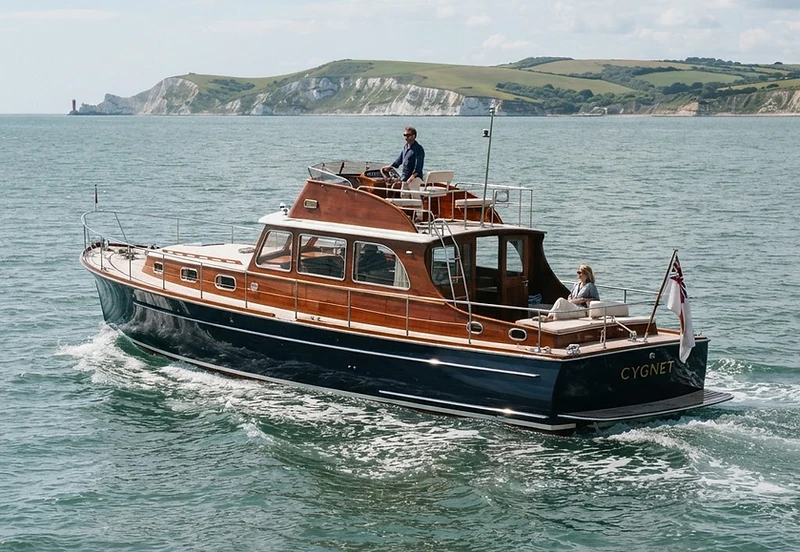
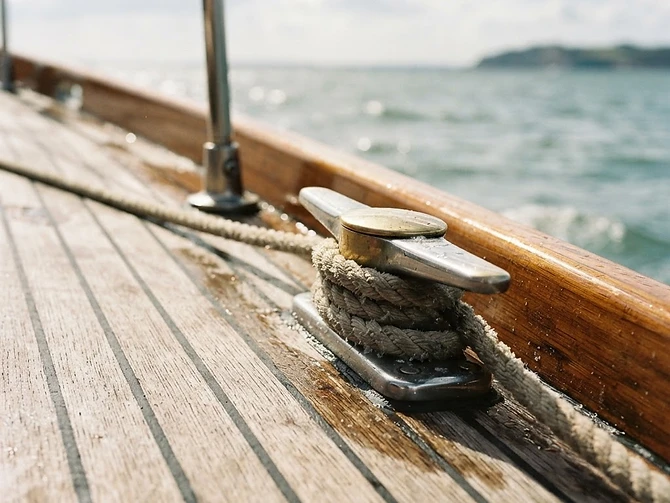
When the twin Caterpillar engines of Cygnet—a 1964 motor yacht of exquisite lineage—first turned over after a four-year restoration, the sound was not a mechanical roar, but a deep, rhythmic vibration that resonated through the mahogany bulkheads. We sat anchored off the Needles, the chalky white cliffs of the Isle of Wight standing as silent, jagged sentinels against a bruised, violet sky. Bringing a yacht of this vintage back to service is less a mechanical project and more a sustained conversation with the past; it demands a patience that prioritizes the integrity of original Burmese teak decking and polished chrome fittings over the sterile ease of modern composites. As the tide turned and swung us toward the Solent, the vessel moved with a fluid grace that contemporary naval architecture often sacrifices for volume. She sliced through the rhythmic chop of the channel with a dampened, deliberate motion, her displacement hull finding a natural buoyancy that felt like coming home.
The Culinary Pulse of the Shallows
Life aboard a vessel of this character necessitates a galley that understands the geography of the shoreline. The Solent is not merely a body of water for navigation; it is a pantry of singular character. That morning, we took the tender to a quiet landing at Yarmouth, navigating the shallows to meet the local fishermen who work the cold, tidal waters of the English Channel. We secured a haul of brown crab—the meat sweet, firm, and tasting of deep-sea brine—and a bundle of foraged rock samphire from the muddy, saline fringes of the Yar estuary. Back on the aft deck, our chef prepared a dish that honored the source: the crab meat was gently dressed with nothing more than a squeeze of zesty local lemon, a fine dice of shallot, and the sharp, iodine-rich crunch of the samphire. It is a ritual that links the yacht’s movement to the land’s specific harvest. Eating on the stern-to, watching the sun dip behind the rolling, verdant hills of the mainland, one realizes that the true luxury of such a voyage lies in this tactile dialogue between the vessel’s heritage and the immediate, fleeting flavors of the coast.
Anchored in the Watch
As evening settled over the Solent, the conversation turned to the constant, meticulous vigilance required to keep such a vessel in service. Protecting against the creeping oxidation of the sea is a full-time occupation, yet there is an undeniable pride found in the maintenance—the deep, amber glow of the varnish that requires weeks of patient, hand-sanding to achieve. We watched the lights of the Hurst Point Lighthouse flicker, casting long, rhythmic beams across the darkening water. The yacht, in her restored state, serves as a bridge across the decades; she provides a platform where the frenetic pace of modern life falls away, replaced by the essential, repetitive beauty of the watch, the shifting tide, and the shared plate. We turned in as the wind died down to a whisper, the anchor chain feeling solid and secure as it bit into the sandy floor of the bay, holding us steady in a world that never truly stands still. The last sound of the day was the gentle slap of water against the hull—a reminder that we are merely guests in this liquid, living history.






