
The Hum of the Void
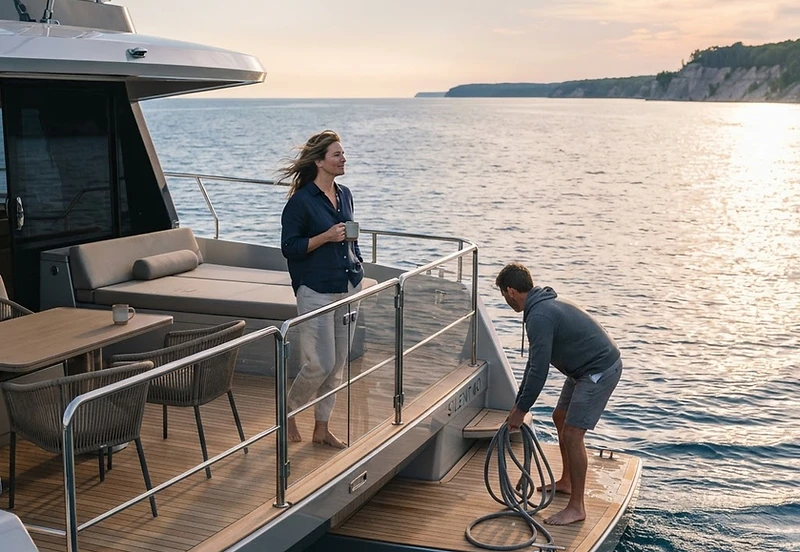
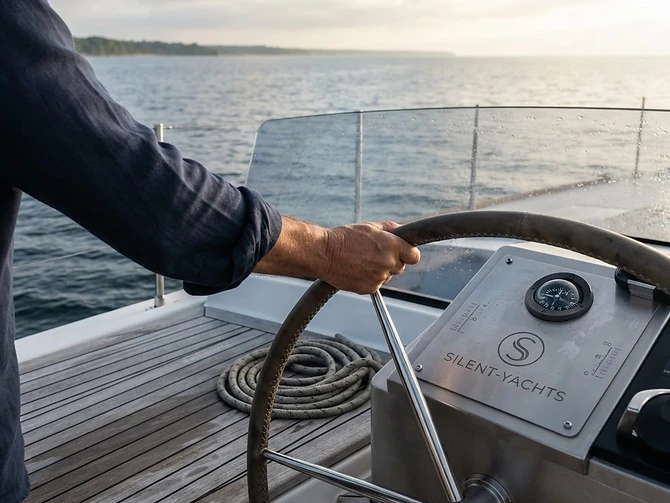
The transition from the diesel-fueled thrum of a bustling harbor to the near-total silence of an electric drivetrain is less a technical shift and more a sensory recalibration. We slipped our moorings at the Northport Marina under a bruised, violet twilight, the electric catamaran—a vessel of refined, lightweight carbon-fiber architecture—slicing through the surface of Grand Traverse Bay with nothing but the soft, rhythmic lap of water against its hulls. Without the aggressive, resonant vibration of pistons, the boat felt less like a machine and more like an extension of the current itself. The air here, sharp with the scent of damp cedar, pine resin, and the cold, mineral clarity of Lake Michigan, seemed to sharpen as we moved into the deeper channels. Every creak of the teak deck, every distant, haunting cry of a common loon, became an audible event in the absolute absence of mechanical interference. It is a rare privilege to hear the water moving against the hull at six knots; it sounds like a whispered secret rather than a mechanical push.
The Foraged Bounty of the Coast
Life aboard during this silent passage was dictated by the unhurried rhythm of the lake’s edges. Before our departure, our chef had returned from the bustling farmers market in Traverse City with a haul that perfectly captured the region’s short, intense growing season. We broke the evening’s quiet with a supper prepared on the ship's induction range, utilizing a pristine haul of locally sourced lake whitefish—a species firm, clean, and tasting of the deep, cold, limestone-filtered water it had occupied only hours prior. Served with a quick sauté of stinging nettles foraged from the headlands near Omena and topped with a bright, herbaceous dressing of wild ramps and cold-pressed sunflower oil from a local farm, the meal was a direct, tactile dialogue with the shoreline. There is a specific, grounded humility to eating what the Great Lakes provide, a stark contrast to the performative, heavy-handed dining of more sheltered southern latitudes. We ate in the cockpit, the only light provided by the subtle glow of the navigation screens and the faint, ghostly luminescence of distant shoreline towns, savoring the delicate, flaky sweetness of the fish as the boat glided silently toward the dark horizon.
Anchored in the Silence
As the moon rose, casting a shimmering, silver path across the ink-black water, we made for a secluded cove nestled near the southern tip of the North Manitou Island. Dropping the anchor is typically a moment of industrial chaos—the rattling roar of chain, the frantic hand signals between bow and bridge—but here, the quiet allowed for a different, more deliberate ritual. We watched the depth sounder with an almost religious intensity, the electric motors allowing us to nudge the vessel into the shallow, protected water with surgical, whisper-quiet precision. When the anchor finally bit into the sandy bottom, the silence that followed was total. We sat for an hour in the soft, amber glow of the interior lighting, watching the stars pinprick the northern sky, free from light pollution. It was a passage stripped of the noise of the modern world, leaving only the water, the wood, and the profound, stillness of the lake at midnight. We extinguished the final cabin lights, the catamaran rocking gently, cradled by the dark and depthless water of Michigan, waiting for the dawn to break over the dunes.






