
The Atlantic Pulse
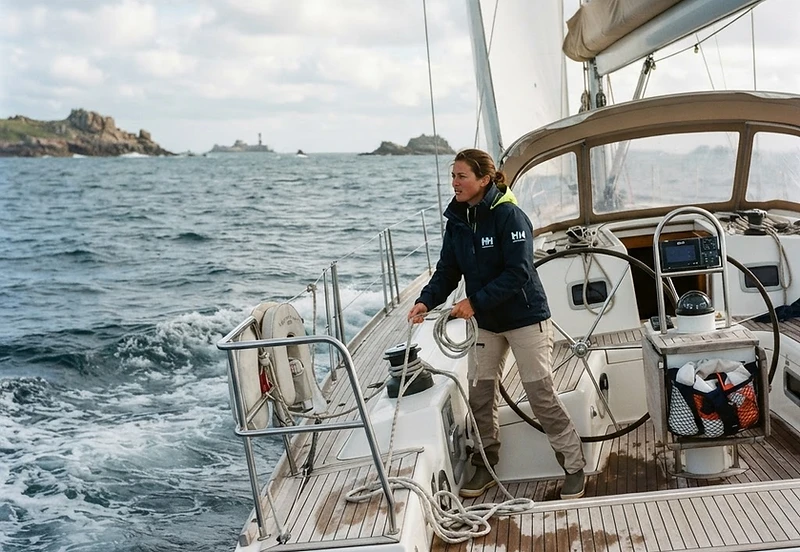
The transition from the Helford River to the open water of the Celtic Sea is a shedding of weight. As our Nautor's Swan cleared the shelter of the Manacles, the vibration of the diesel plant settled into the low, steady thrum that signals the beginning of a true passage. Two weeks in the Isles of Scilly is not merely a vacation; it is an exercise in recalibration, moving away from the frantic pace of the mainland and toward an archipelago where the moon and tide dictate the social calendar. We carried the weight of the Atlantic on our beam, a rolling, rhythmic heave that demands respect from both the helmsman and the crew below deck.
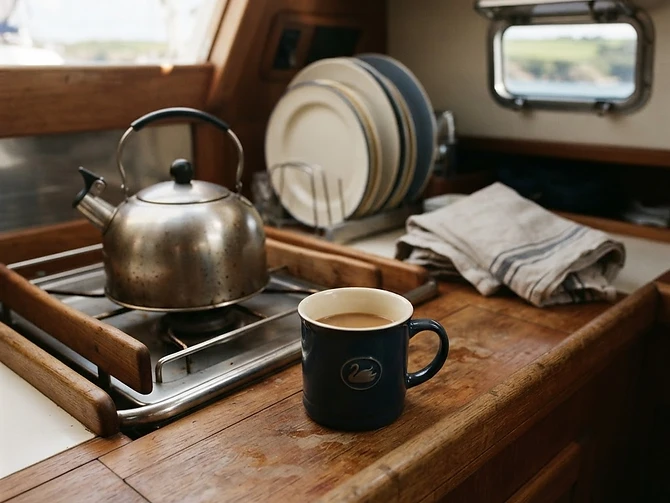
Life aboard during these transits is defined by the necessity of balance. In the morning light, while the swell still held the sharp, metallic chill of the deep, our chef was already at work, securing the stores against the motion of the boat. There is a particular focus required to prepare a meal when the horizon is dancing between the shrouds. We lived by the rhythms of the watch, shifting from the intensity of the helm to the quiet interior where the smell of freshly ground beans competed with the ozone-heavy scent of the spray.
The Harvest and the Harbor
Anchoring off St. Mary’s requires a steady eye on the digital chart and a firm hand on the windlass. The seabed here, a mosaic of coarse sand and golden granite fragments, holds firmly, but the currents through the channels—the Crow Sound in particular—can be deceptive, accelerating with a force that belies the calm surface. Once secure, the tender run into Hugh Town becomes a daily ritual of connection. The local food culture is starkly beautiful in its simplicity; it is a geography of what the cold Atlantic provides. We spent our afternoons sourcing St. Martin’s scallops and pollack landed that morning by the small day-boats tethered to the quay.
Dinner is never a rushed affair when you are anchored in the shelter of a lee shore. One evening, we brought a crate of hand-picked rock samphire and a basket of local potatoes back to the boat. The galley turned these into a dish of pan-seared pollack, the skin crisped until it shattered like glass, served with an emulsion of local butter and the sharp, coastal brine of the samphire. There is a profound honesty in eating fish that was swimming in the shadow of the hull only hours before. It anchors the yacht to the place more effectively than any map ever could.
The Quiet Latitude
As the days progressed, the archipelago revealed its character through the small, shifting details: the way the light catches the white sand of Teän at low tide, the sudden hush when the wind drops behind the shelter of Tresco, and the sound of the anchor chain rattling against the stainless-steel stem head in the dead of night. We spent our final evenings watching the sun dip behind the Western Rocks, the sky bruising into shades of violet and deep ochre. The yacht sat motionless, a vessel of polished teak and stainless steel reflecting the darkening water.
There is a specific stillness that descends upon a crew after a week at sea. The need for constant motion fades, replaced by a quiet appreciation for the lines, the varnish, and the simple integrity of the deck. As we prepared to weigh anchor for the return run toward Falmouth, there was no sense of ending, only of a cycle completed. We left behind the jagged granite sentinels of the islands, carrying with us only the lingering taste of salt and the steady, resonant memory of the Atlantic's long, unbroken pull.






