
The Geometry of a Clean Lay
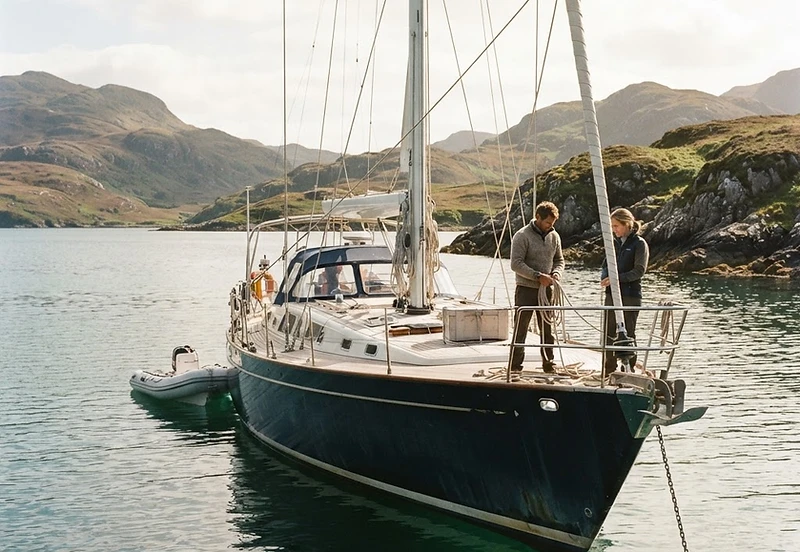
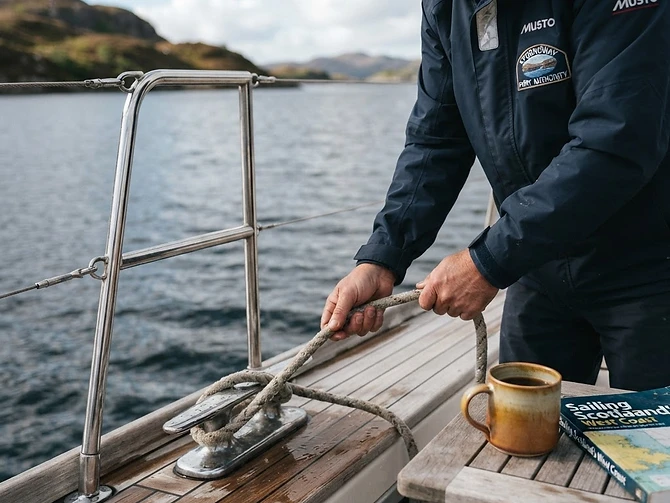
The dawn off the coast of Ulva arrived in a muted palette of slate and charcoal, the kind of light that makes the water look like hammered lead. To anchor here, where the sea floor is a complex mosaic of sediment and vibrant maerl beds—that calcified seaweed so vital to the local biodiversity—is an exercise in deliberate restraint. Onboard our vessel, a classic ketch that has seen its fair share of Atlantic squalls, the deck crew moves with the practiced efficiency of a ballet, ensuring the chain doesn't drag across the sensitive seabed. It is a moment of quiet stewardship; one does not simply drop an anchor in the Hebrides. You study the Admiralty charts with a magnifying glass, you calculate the swing against the relentless Atlantic tide, and you watch the depth sounder for that specific change in tone that signals sand over the delicate, oxygen-rich nurseries of the maerl. To touch the seabed here is to graze a living history of the North Atlantic, a responsibility that hangs as heavy as the anchor itself.
Culinary Rhythms and the Morning Catch
There is a unique communion between the vessel’s galley and the shoreline that begins long before the sun hits the peaks of Mull. As we swing gently at anchor, the tender is lowered for a short, crisp run to the hidden slipways of the Ninth Wave restaurant near Fionnphort. Here, the local food culture is a direct mirror of the ecosystem we are so careful to protect. The menu is a testament to the cold, nutrient-rich waters—hand-dived scallops pulled from the rocky shelves nearby, paired with foraged sea buckthorn and the sharp, bright salinity of coastal samphire plucked from the nearby crags. We witness the chef working with the morning's catch: langoustines that still hold the chill of the Minch and wild sea trout seasoned with nothing more than local sea salt and a touch of garden-grown chervil. Eating here, watching the water from which our dinner was harvested, the importance of the anchorage becomes visceral. When you respect the bed of the sea, the ocean rewards you with a clarity and quality that feels entirely of its own place, a stark contrast to the mass-market offerings of distant ports.
The Steward’s Vigil and the Evening Watch
Life aboard in these remote latitudes is defined by a deep, observant stillness that city life can never replicate. Once the hook is set and the engine falls silent, the ritual of the anchorage takes over. It is not merely about maintenance; it is about alignment with the rhythm of the tide. In the evening, sitting on the teak-laid aft deck with a dram of Talisker, one hears the gentle, rhythmic slap of water against the hull—a sound that, when one has anchored correctly, carries no rasp of metal on reef or stone. We are guests in these northern passages, moving through the labyrinth of the Treshnish Isles with the awareness that our footprint must remain invisible. We watch the light shift from silver to a bruised indigo, listening to the curlew’s call echoing off the basalt cliffs of Staffa. There is no frantic movement, only the slow rotation of the yacht as she feels the turn of the tide. As the stars emerge over the jagged horizon, the vessel rests in a perfect, temporary harmony with the cold, enduring depth of the Hebridean shelf, leaving nothing behind but the wake of our passage and the silence of a well-kept night.






