
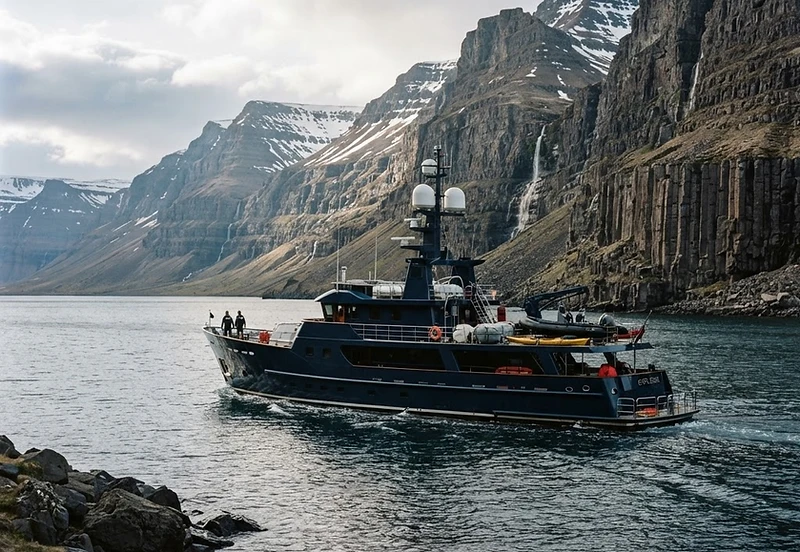
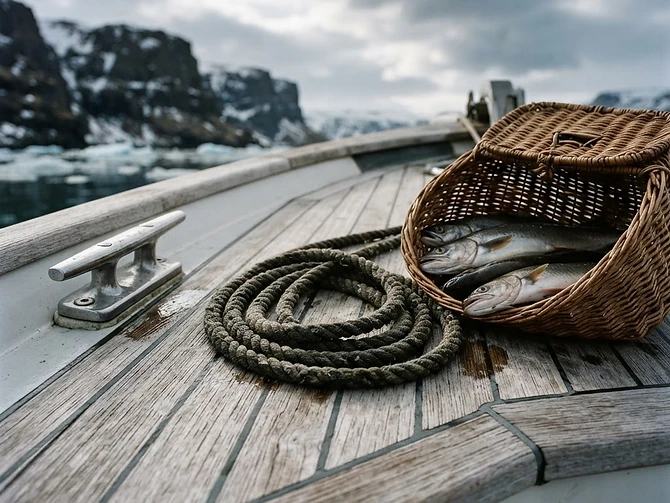
The sky at 3:00 AM in Ísafjörður is not dark, nor is it light; it is a bruised, periwinkle suspension that suggests time has momentarily lost its purchase on the world. Standing on the aft deck of a 40-meter explorer yacht, the silence of the Westfjords is absolute, broken only by the rhythmic, metallic slap of the mooring lines against the polished steel cleats. There is a weight to the air here, cold and smelling sharply of brine, wet basalt, and the faint, sweet decay of kelp clinging to the shoreline.
The Geometry of the Fjord
Navigating these waters requires a temperament distinct from the sun-drenched cruising of the Mediterranean. Here, the vessel is not a platform for mere leisure, but a mobile observatory. As we weigh anchor and clear the headland, the scale of the landscape dwarfs our presence. The fjords—deep, narrow gashes in the earth’s crust—demand constant vigilance; the charts are our only tether to safety in these unforgiving depths. We weave between vertical cliffs, their faces streaked with the white ribbons of snowmelt waterfalls that roar with a distant, subterranean hum.
Life aboard adapts to the latitude. The teak decks remain slick with morning mist, and the ritual is one of preparation rather than sun-soaked idleness. We move with intentionality, swapping linens for wool, and keeping the stabilized binoculars within reach. The rhythm of the charter is governed not by social calendars or restaurant reservations, but by the turning tide and the shifting barometer of the North Atlantic.
The Culinary Harvest of the Cold
In the small harbour of Djúpavík, the intersection of the sea’s bounty and the land’s austerity becomes our galley's primary focus. Our chef has been in conversation with a local fisherman since dawn, securing the morning’s haul of þorskur—Atlantic cod—plump and firm, pulled from the icy, oxygen-rich depths. We anchor in the shelter of the bay, the tender returning with the catch, alongside foraged crowberries gathered from the tundra above the village and a jar of sea urchin roe, delicate and saline as the morning tide.
Dinner is served in the lee of the wheelhouse, protected from the biting wind. The cod, seared with nothing more than harvested sea salt and clarified butter, tastes of the minerals of the seabed and the singular purity of the glacial melt. It is a meal that demands focus. Beside the plate, we serve dense, dark rye bread—traditionally baked in the geothermal heat of a nearby volcanic vent—that smells of earth and fire. To eat this well in such a remote reach is to understand the local foodways not as an amenity, but as a hard-won victory over the elements, a dialogue between the galley and the coast.
An Anchor in the Stillness
As the sun finally dips—a low, golden arc that never truly surrenders to the horizon—the yacht settles into the hush of a nameless inlet near the mouth of a glacier-fed stream. The glass-like surface of the water reflects the brooding, iron-grey peaks with such perfect symmetry that it becomes difficult to discern where the sea ends and the mountain begins. We sit on the swim platform, the low-frequency thrum of the generators barely audible, watching the light shift from silver to violet across the basalt pillars.
The season has officially begun, marked not by the crowded quays of a port, but by the resolute confidence of a vessel anchored in the cradle of the wild. Here, on the Arctic margin, we find the truest expression of the charter: the luxury of being entirely present, suspended between the fathomless ocean and the vast, uncaring sky.






