
The Monsoon Shift
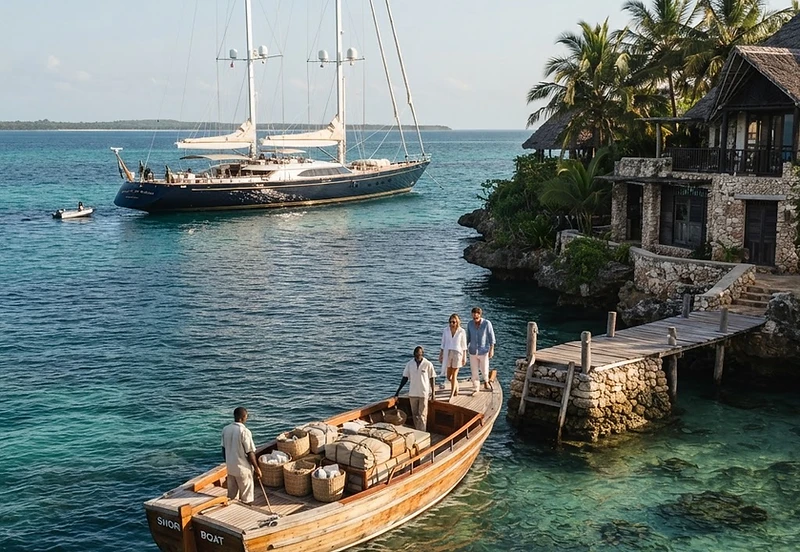
The transition from the Kaskazi to the Kusi wind is a subtle, atmospheric negotiation of pressure and rising tide. Standing on the teak decking of a 45-meter Perini Navi as it cut a clean wake through the Menai Bay Conservation Area, the air felt dense—a complex, humid layering of crushed cloves, drying kelp, and persistent salt spray. Zanzibar in the winter season is not a destination for the hurried; it is a sprawling, turquoise expanse that demands a patient hand at the helm and a keen eye for the shifting shoals. The yacht, a striking contrast of precision-engineered carbon-fiber rigging against the chaotic, verdant sprawl of the Unguja shoreline, hums with the kinetic potential of a pending voyage. As the depth sounder began its rhythmic, high-pitched chirping—a warning of the rapidly rising shallows—we eased into a lagoon held in place by the profound stillness of the afternoon. Here, the boundary between the vessel and the geography blurs; the yacht is not merely a conveyance, but a temporary residence, a mobile home built of steel and glass, anchored to the tectonic pulse of the Indian Ocean.
Living at the Waterline
Life aboard during these weeks centers on the fluidity of space, where the aft deck effectively dissolves into the cobalt sea. We had spent the morning observing a local dhow negotiate the narrow channel, its hand-stitched lateen sail a jagged, ancient silhouette against the low, bleaching sun, before taking the tender toward the northern reaches of the Mnemba Atoll. There, perched upon a limestone shelf overlooking the reef, stands a private villa that mirrors the yacht’s own structural defiance of the tides. The villa, a study in Omani-influenced geometry with its vaulted, sweeping arches and cool, hand-burnished plastered corridors, offers a static, permanent counterpoint to the yacht's mobile existence. It is a home that breathes with the sea, its expansive shutters thrown wide to catch the trade winds, mimicking the teak-slatted louvers that ventilate our main saloon. Viewing the villa from the water, the architectural kinship is undeniable: both environments prioritize transparency, shelter from the punishing equatorial glare, and the deliberate framing of the horizon as the primary domestic element. Over a lunch of salt-grilled langoustine caught that morning and local lime, our conversation inevitably drifted toward the draft of the vessel and the secret, deep-water cuts through the reef that only the local pilots truly comprehend.
The Quiet Descent of Light
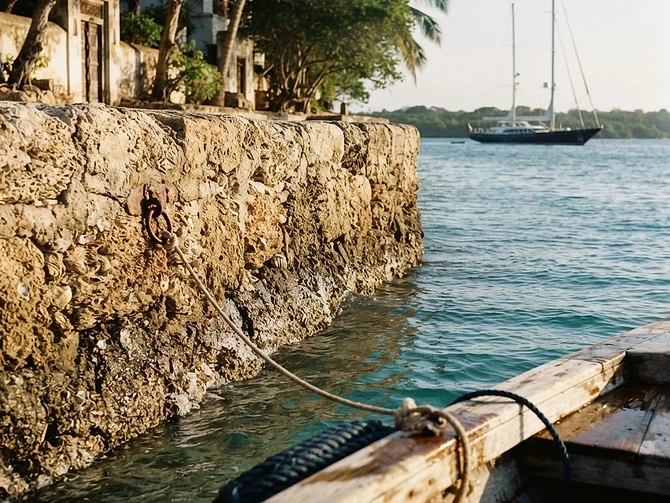
As evening surrendered to dusk, the sky over the Tanzanian coast bruised into deep shades of indigo and violet, casting long, liquid reflections off the polished Lürssen-grade hull of our yacht. The return journey by tender was a low, resonant growl against the absolute, heavy silence of the bay. Climbing back aboard, the transition from the jagged, ancient shore to the refined, minimalist interior of the yacht felt like a homecoming. We settled on the sun deck as the crew methodically secured the lines for the midnight tide, a small, rhythmic motion that vibrated beneath our heels. With a glass of chilled, mineral-heavy water in hand, I watched the distant village lights begin to pulse, mirrored perfectly in the dark, glass-still water. The yacht, held fast, swayed with a gentle, hypnotic cadence, serving as a reminder that we remained tethered to the sea. It was not a grand, dramatic conclusion to the day, but a quiet, necessary pause before the next morning’s chart work, the deck becoming a solitary, floating island in a vast sea of stars.






