
The Geometry of the Departure
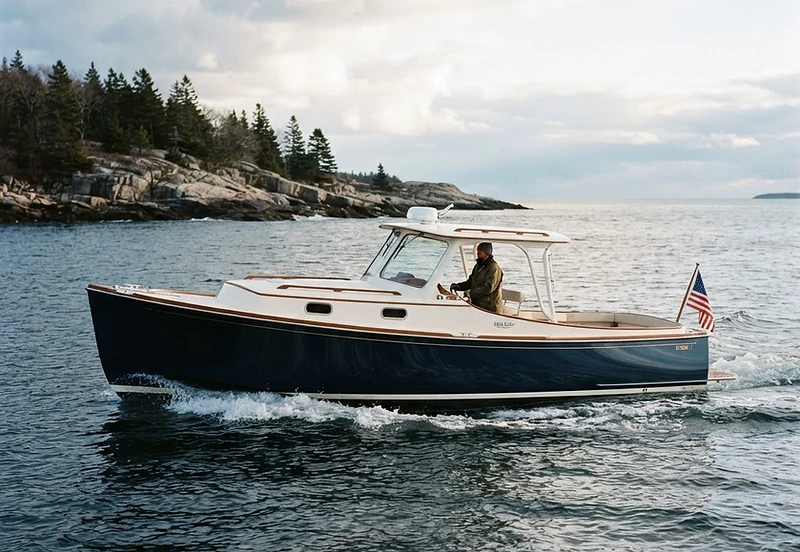
There is a specific, bracing quality to a Maine autumn morning that no other latitude can replicate. Standing on the aft deck of a Hinckley 55, the air smells of chilled salt and the damp, resinous pine of the islands surrounding Penobscot Bay. The transition from these glacially-carved fjords to the expansive, iron-grey blue of the open Atlantic is not merely a course change; it is a profound shift in the vessel’s soul. By late October, the mooring lines at Camden are stiff with the morning frost, and the decision to turn the bow south toward the Caribbean feels less like an escape and more like a necessary migration, dictated by the relentless cooling of the northern currents.
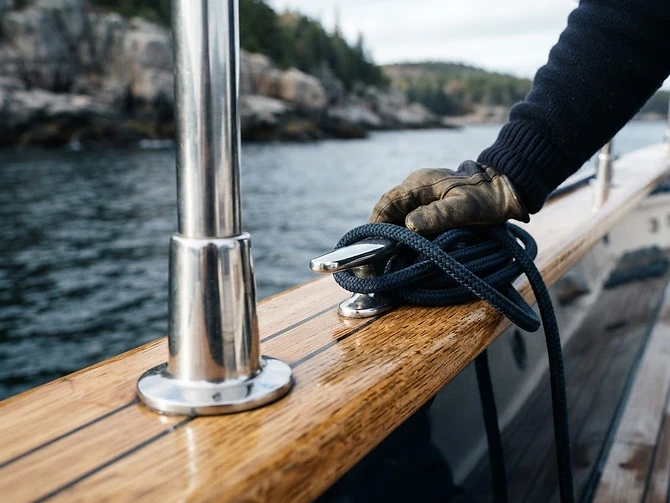
As we weigh anchor, the precision of the crew becomes the vessel’s pulse. Every line is coiled with intentionality, and the navigation display casts a sharp, cool glow over the chart table. The Gulf of Maine is unforgiving of vanity, demanding a respect for the draft and the hidden granite teeth of the ledges. We move slowly, threading the needle between the islands, watching the shoreline transform from the dark, jagged silhouette of the mainland to the hazy, uniform grey of the open ocean. Life aboard shifts into the rhythm of the passage: the watch system, the quiet conversation in the pilothouse, and the constant, reassuring vibration of the engines as we chase the warming sun.
The Galley’s Final Northern Harvest
Before the horizon swallowed the coast, we made a final, decisive stop at a weathered wharf in Vinalhaven. There is a ritual to the final market run—a scavenger’s search for the ingredients that define this coast. We secured a bushel of hardshell clams and a crate of fingerling potatoes, the dark earth of the island still clinging to their skins. At The Harbor Gawker, a local haunt where the floors are worn smooth by generations of oilskins and sea boots, our chef bartered for a final haul of Atlantic mackerel. To eat here is to understand the geography of the seabed; the fish are fat with late-season feed, their skin silvered by the plummeting temperatures of the northern shelf.
Aboard, the galley becomes a sanctuary against the rising Atlantic swell. The chef prepares a lunch that celebrates the economy of the Maine coast: the mackerel, seared quickly in a hot cast-iron skillet with nothing more than a dash of sea salt and a sliver of local lemon. We pair it with a light, crisp broth made from the clams, steaming in the pot until they surrender their brine to the liquid. It is a meal that tastes of the Maine shelf—sharp, clean, and deeply rooted. As we dine in the sheltered corner of the salon, the yacht begins to lift and surge with the true, heavy rhythm of the Atlantic, the taste of the northern harvest still sharp on our palates. It is the final anchor point before the long, steady pull toward the southern reaches.
The Weight of the Sea
As the daylight fades into a bruised, indigo twilight, the coast disappears entirely. The cabin is warm, the teak joinery glowing under the soft hum of the interior lighting. Here, the transition becomes physical—a shedding of heavy wool sweaters and a loosening of the day’s tension. We watch the swell rise and fall, a rhythmic pendulum that seems to sync with the steadying of our own heartbeat. The complexity of the planning, the months of maintenance, and the logistical weight of the transit dissolve into the simple, singular act of moving through the water.
By the second day, the water color begins to alter, losing its deep, iron-grey opacity in favor of a lighter, translucent cobalt. The air loses its bite, replaced by the soft, humid promise of the trades. We are no longer chasing the shore; we are held by the sea, suspended between the memory of the Maine pines and the anticipation of a Caribbean anchorage. When I finally step onto the deck at midnight, the only sound is the rhythmic parting of the bow wave and the distant, singular pulse of a navigational light blinking far to the west, a solitary spark in the vast, velvet dark.






