
The Geometry of the Morning
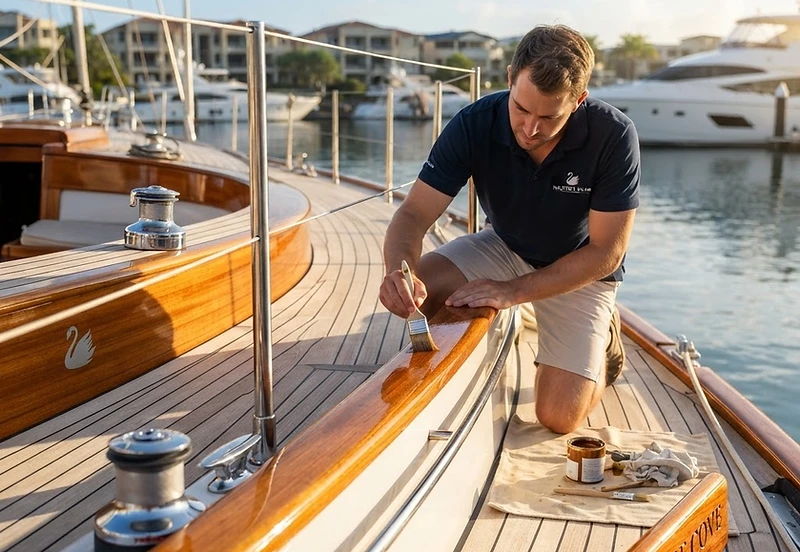
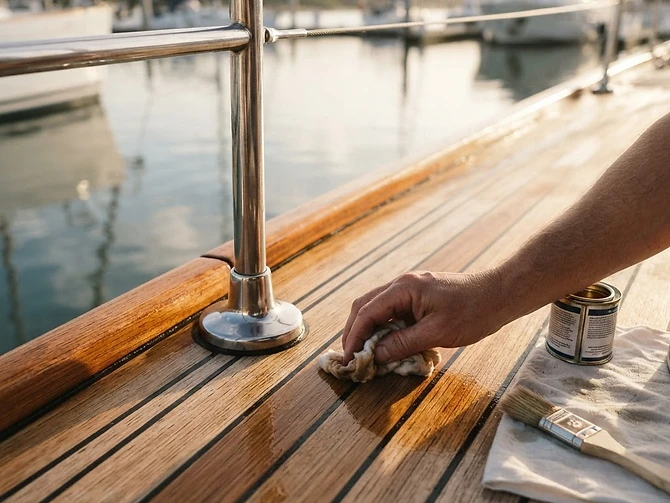
The dawn light hits the Nerang River with a crystalline intensity that seems to vibrate against the high-gloss teak of our 1968 Nautor’s Swan. Before the anchorage at Sanctuary Cove begins to stir, the cockpit is already a landscape of amber reflection—a testament to the ten coats of varnish that guard the timber from the harsh reality of the Pacific. Maintaining this brightwork is not merely an aesthetic choice; it is a conversation with the elements, a tactical defense against the relentless Australian UV and the scouring salt air that threatens to dull the grain. Running a hand over the caprail, one feels the immediate thermal variance of the wood: cool in the deep blue shadows of the companionway, yet radiating a dull, golden warmth where the first rays of the sun have begun to strike the polished surface.
Refining the Ritual
The transition from the maintenance of the brightwork to the rhythms of life aboard is seamless, bridged by the preparation of the morning’s catch. The Gold Coast is a place of profound coastal bounty, and our galley is currently stocked with the morning's haul from the trawlers that navigate the Broadwater at first light. We are preparing a breakfast centered on fresh Moreton Bay bugs, split and flash-grilled with a light brushing of clarified butter and a whisper of wild-foraged finger lime. The citrus provides a sharp, electric acidity that cuts through the inherent sweetness of the crustacean’s translucent meat. The chef works with a deliberate, quiet precision that mirrors the care required for the yacht’s finish; there is no room for haste when working with ingredients as delicate as these, just as there is no room for compromise when sanding back to the grain.
The Shoreward Passage
By mid-morning, we ease the tender away from the varnished beauty of the mother ship, making our way toward the weathered jetty at the Sanctuary Cove village. The destination is a quiet table tucked near the water’s edge, where the focus remains entirely on the local provenance of the region. Here, the menu reflects the landscape: heirloom tomatoes sourced from nearby hinterland farms, drizzled with pressed oils from the region, and sea salt harvested from the local reef. Dining here, with the yacht visible in the middle distance, her teak caprails glowing like a beacon of traditional craft against the stark, modern white fiberglass hulls of the neighboring cruisers, one realizes that the vessel acts as an anchor to a bygone era of patience. The varnished wood, much like the seasonal menu, is a commitment to the present moment, a tangible reminder that in yachting, the highest luxury is the refusal to take shortcuts. As the tide turns and the Nerang begins its slow, rhythmic pulse toward the open sea, the teak holds the light, anchoring us firmly to the water until the wind rises and the anchor is finally brought home.
As the afternoon breeze begins to riffle the surface of the river, the golden hue of the wood deepens, softening under the descent of the sun. We leave the polished rail to the coming evening, knowing that tomorrow’s light will catch it just the same, revealing a beauty that requires nothing but human hands to endure.






