
The Geometry of the Morning Passage
The dawn watch off the northern coast of Virgin Gorda begins not with a chime, but with the specific, rhythmic slap of trade winds against the hull of the Royal Huisman ketch. There is a precise tension in the lines as we trim for the run toward the Saint-Barthélemy shelf, a distance that demands an intimacy with the Atlantic’s changing temperament. At sea, the luxury of space is secondary to the efficiency of the vessel; to move across these waters is to participate in an ancient, mechanical dialogue between wind, current, and the naval architect’s intent. Watching the deckhand stow the fender lines, one understands that true yachting is an exercise in anticipation. We are seeking the lee of the islands, not merely for shelter, but for the profound, crystalline silence that follows a long, salt-crusted reach across the blue.
Culinary Currents of the Archipelago
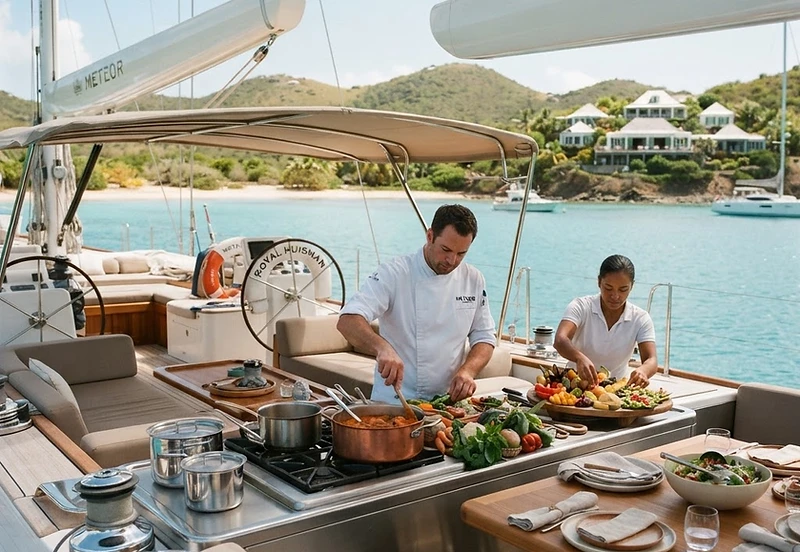
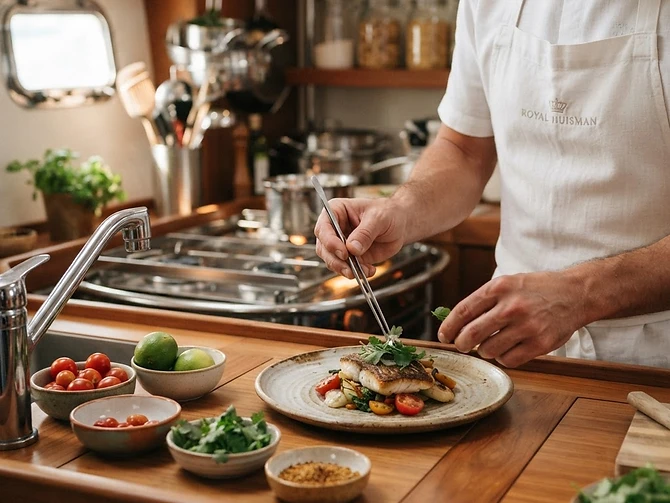
Upon dropping anchor in the sheltered turquoise of Anse de Colombier, the transition from maritime intensity to the slower pace of the galley is immediate and deliberate. The culinary landscape here is anchored by the catch of the day—often mahi-mahi or red snapper secured from local fishermen who traverse the channel in open skiffs, their vessels low in the water. Our chef returns from a dawn run to the market in Gustavia with crates of limes, bright scotch bonnet peppers, and bundles of fragrant, wild-grown thyme. These are the ingredients that bridge the gap between ship and shore. Later, we take the tender to Bonito, perched high above the harbour, where the architecture of the dining room—all sun-bleached wood and expansive, seamless glass—frames the forest of masts swaying in the bay below. Here, the focus remains on the integrity of the local bounty: salt-crusted grilled snapper seasoned with native aromatics and the sharp, citrus zest of the island, served as the sun finally dips behind the ridgeline, turning the water the colour of deep, polished amethyst.
The Rituals of the Anchorage
Life aboard, when anchored in the Caribbean, settles into a distinct, repetitive elegance that defies the rush of the mainland. It is the ritual of the afternoon swim in water so clear the shadow of the hull is cast onto the white sand bottom thirty feet below; it is the scent of sea salt mingling with the faint charcoal smoke drifting from the galley’s aft grill as we prepare the evening’s catch, and the quiet camaraderie of the cockpit. We often spend our mornings exploring the rocky fringes of the smaller cays, where we forage for coastal samphire, a sharp, briny addition to the fresh salads that grace our table at sunset. There is no urgency to depart; the sea acts as both a barrier and a bridge, protecting the seclusion of the anchorage from the frantic pace of the outside world. As the anchor chain rattles home in the velvet dark of a moonless night, the only sound remaining is the soft, rhythmic lap of water against the transom, a reminder that we are, above all, merely guests in this vast, shifting geography.






