
The Obsidian Transit
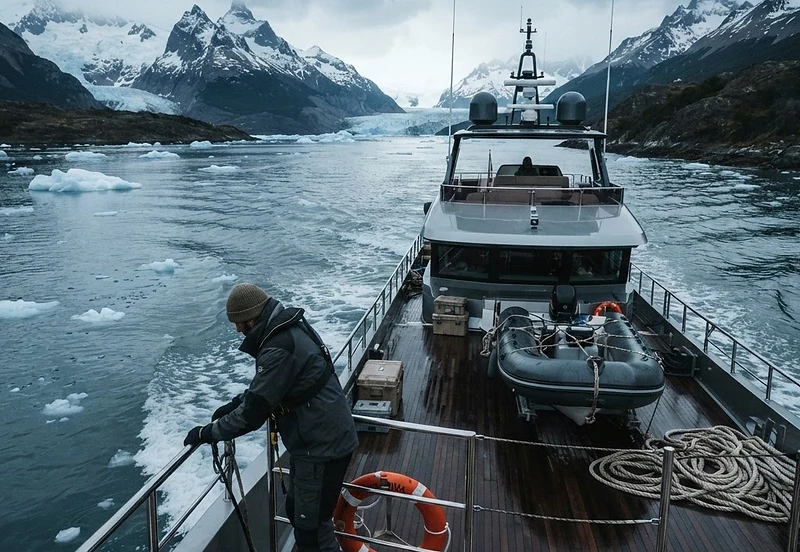
The dawn air in Ushuaia carries a sharp, metallic bite that no synthetic fleece can fully deflect. We stood on the aft deck of a 28-meter Riva, its metallic hull echoing the slate-grey hues of the Andean peaks that loom over the Beagle Channel like silent sentinels. Clearing the harbor, we pushed the throttles forward; the vessel lifted with a surgical precision, carving a clean, disciplined wake through the icy, obsidian water. Navigating these southern latitudes demands an intimate knowledge of the bathymetry, where submerged glacial erratics lie in wait just beneath the surface, demanding constant attention from the bridge. As we threaded between the jagged promontories of the coast, the yacht performed with a supple, adaptive grace, its stabilizers masterfully compensating for the erratic, cold swells rolling in from the Drake Passage. There is a singular thrill to driving a vessel of this pedigree through a landscape that is fundamentally indifferent to human ambition.
The Cliffside Hearth
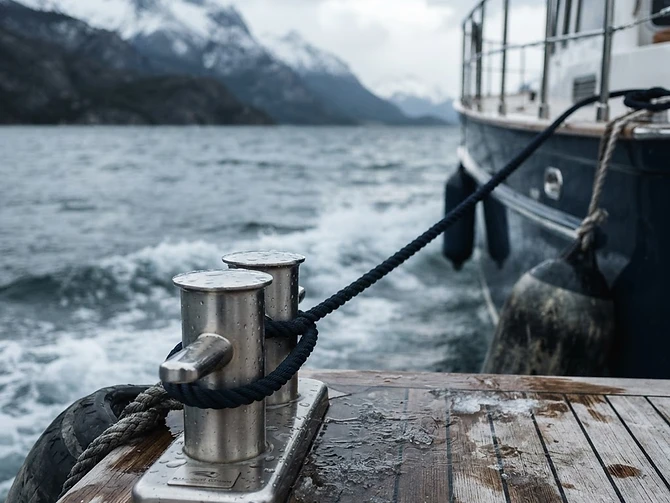
Our objective was a modest, weather-beaten outpost carved into the granite cliffs near Puerto Williams—a place where the architecture yields to the topography rather than challenging it. Dropping anchor in a secluded, wind-shielded bight required a careful approach; we took the tender in, maneuvering against a stiff, biting breeze that whipped off the surrounding peaks. Stepping onto the weathered wooden dock of El Mesón del Fin del Mundo, we were immediately enveloped by the scent of burning lenga wood—a dry, aromatic timber that defines the heat of the local hearth. The chef, who has spent decades interpreting the yields of these treacherous, frigid waters, had prepared the morning’s harvest: centolla, the massive, sweet-fleshed Southern King Crab, pulled from deep-water pots only hours before. The meat was served with startling simplicity: lightly poached and tossed with coarse sea salt and a bright, acidic dressing of native calafate berries, the latter providing a sharp, tannic counterpoint to the velvet richness of the crustacean. It was a meal that tasted of the very geography we had just traversed.
The Rhythms of the Southern Reach
Life aboard in these waters demands a different cadence than the predictable, sun-drenched anchorages of the northern latitudes. Every movement on deck is deliberate, from securing a heavy line against the freezing spray to the quiet, analytical ritual of verifying the charts for the afternoon tide. As we lingered over the remnants of the meal, watching the low, slanted light play against the hanging glaciers of the Darwin Range, the distinction between the refined, high-performance yacht and the elemental wilderness outside began to blur. Returning to the vessel, we found the galley team meticulously sorting through a small cache of rock samphire foraged from the shoreline, ready to infuse an evening consommé. There is a profound, quiet luxury in such isolation—the ability to bridge the gap between the sophisticated comfort of a precision-engineered motor yacht and the raw, unforgiving pantry of the Southern Ocean. As we weighed anchor, the engine’s low, consistent hum was the only sound against the vast, encroaching stillness of the fjords, our wake quickly swallowed by the restless, surging tide until the surface was once again perfectly, glacially smooth.






