

The Discipline of the Morning Varnish
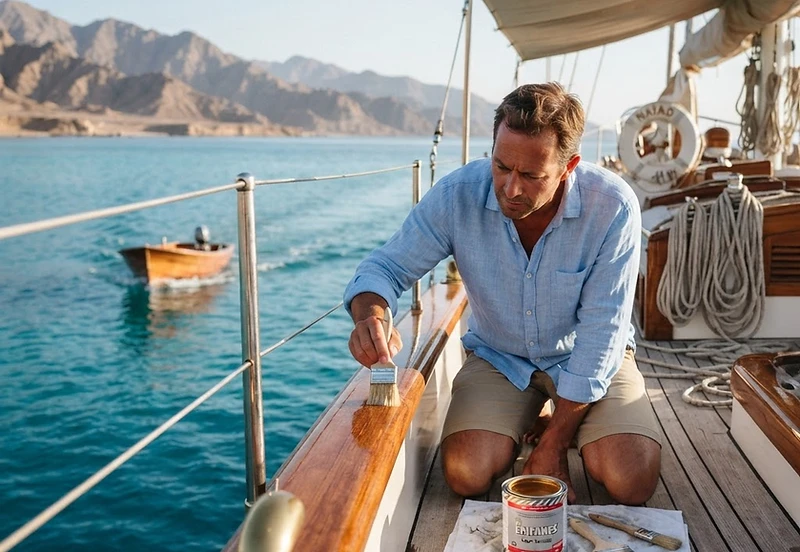
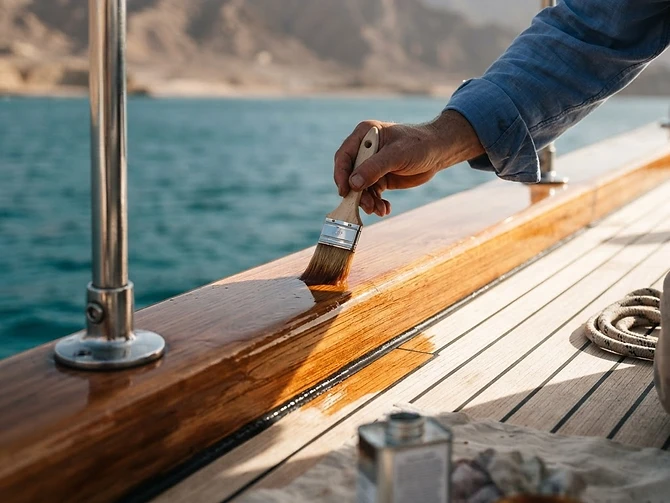
Dawn over the Red Sea does not break so much as it bruises the horizon with shades of hammered copper and bruised violet. Aboard our classic ketch, anchored in the sheltered, turquoise reaches off the AMAALA coastline, the first light reveals the inevitable toll taken by the previous day’s passage. The salt air, a relentless, crystalline solvent, has settled into the silvered grain of the teak rail. My morning ritual is not one of frantic maintenance, but of methodical, almost liturgical restoration. There is a profound, quiet thrill in the application of varnish—a tactile, intimate dialogue between hand, badger-hair brush, and the organic, thirsty memory of the wood. Each layer must be painstakingly cut back, smoothed with the fine, powder-grey dust of 400-grit sandpaper until the surface feels like cool silk under the thumb, before the next coat is laid down with a surgeon’s focus. It is an act of defiance against the harsh, brine-laden winds that define these desert latitudes.
Culinary Rhythms and the Morning Catch
As the sun climbs and the varnish cures in the tempered, dry heat of the deep shade, the conversation aboard shifts inevitably toward the galley. The Red Sea is a pantry of singular complexity, a maritime ecosystem that demands a specific culinary intelligence. Our chef has returned from a dawn foray to the local markets with a bounty that commands respect. Today, the focus is on najil—the prized coral trout of these waters—and the sharp, bright salinity of locally foraged samphire, which thrives on the nearby salt flats. We prepare the fish with a restrained hand, roasting it quickly over an open flame until the skin blisters, served with a dusting of coarse, mineral-rich sea salt harvested from the northern coastline and a side of flatbread still warm from a traditional clay oven. The meal is an extension of our maritime life; it is a direct, honest celebration of the rugged, arid ecosystem that buoys our vessel, connecting the deep-water passage to the life of the shore.
Equilibrium on the Desert Coast
There is no place for haste when one is entrusted with the longevity of a heritage hull. In the mid-afternoon, when the thermal wind settles and the long, rolling swell off the coast dies into a rhythmic, hushed lap against the hull, I return to the brightwork for a final, feather-light touch-up. It is a meditative, singular act; I watch the reflection of the coastal ridges—those stark, dramatic limestone cliffs that define the AMAALA landscape—rippling and refracting across the deep, amber-clear finish of the cap rail. Every deliberate stroke of the brush is an investment in the boat’s endurance, a quiet commitment to keeping the heritage of the sea alive through manual, relentless care. As the stars emerge, casting a shivering silver light over the pristine, obsidian water, we remain at anchor, the yacht a hushed silhouette against the vastness of the desert coast, held in perfect, liquid equilibrium between the wood’s lustre and the dark, infinite sea.






