
The Geometry of the Morning Tide
The dawn over the Mozambique Channel arrives not as a sunrise, but as a subtle dissolution of the horizon. Aboard our 45-meter expedition yacht, the silence of the Quirimbas is absolute, save for the rhythmic, hollow lap of water against the steel hull. In this archipelago, where the mangroves spill into the Indian Ocean, navigation requires a shift in perspective; digital sounders are essential, yet the color of the water—a shifting spectrum from liquid turquoise to deep, bruised cobalt—tells the real story of the limestone shoals. Anchored off the leeward side of Ibo Island, the vessel sits perfectly still, a gleaming white sentinel amidst the ancient, colonial ruins that crumble gracefully into the sea. There is a specific, metallic clarity to the air here, sharpened by the proximity of the equatorial heat and the salt-heavy, damp breath of the mangrove forests.
The Galley and the Monsoon Catch
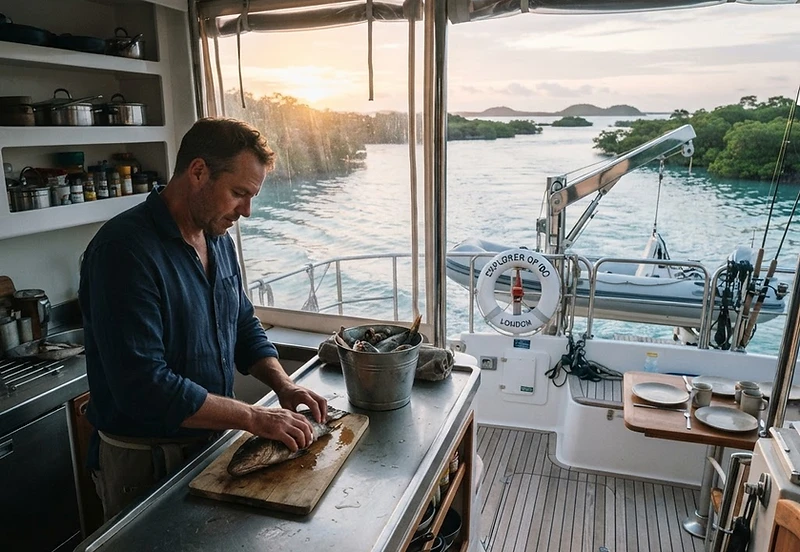
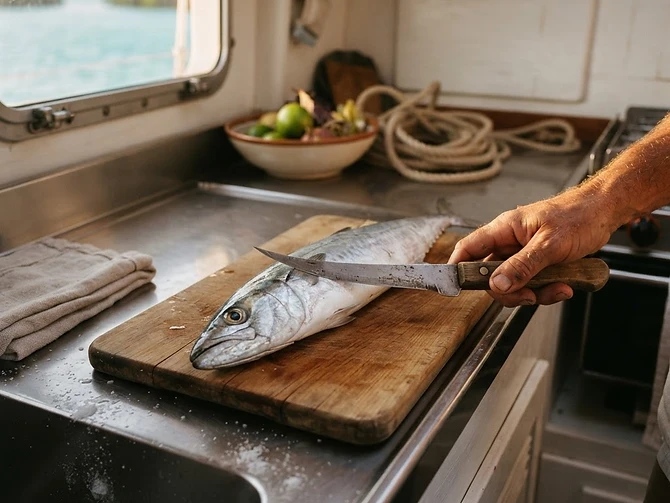
The true pulse of life aboard is found in the galley’s early dialogue with the local fish markets. As the tender cuts through the glass-like morning water toward the Ibo pier, the market is already a theatre of commerce, with wooden dhows offloading the night’s haul: bright-eyed peixe-galo, slender needlefish, and the prized, heavy-shelled mud crabs harvested from the muddy estuaries. We bring the catch back to the yacht, where the chef works with nothing more than coarse sea salt, piri-piri peppers grown in the island’s sandy interior, and limes that carry the sharp, floral scent of the region. Lunch is served on the aft deck, a simple curation of grilled snapper dressed in a reduction of coconut milk and pounded chili, eaten under the shade of the bridge wing as the afternoon breeze begins to clock around, cooling the teak decking beneath our bare feet.
Shoreward Rituals in the Mozambique Channel
Stepping ashore at sunset is an exercise in slowing the pulse to match the archipelago's slow geological time. We head by tender to the small, unpretentious beach fronts near the Ibo settlement, where the ritual of the day involves sitting on weathered timber benches while the tide retreats. There is no urgency in the service; one simply waits for the scent of woodsmoke to carry the news that the catch is ready. Plates of matapa—the quintessential Mozambican dish of pounded cassava leaves, ground peanuts, and coconut milk—appear, rich and earthy, a perfect counterpoint to the salt-cured skin of the sailor. We share a bowl of grilled tiger prawns caught just off the edge of the shelf, their flesh translucent and sweet, requiring no adornment beyond a squeeze of the local citrus. As the sun dips behind the distant silhouette of the mainland, the yacht, illuminated softly from below, looks less like a machine and more like an extension of the seascape itself—a vessel poised in the quiet equilibrium of the Mozambique current.
Later, as we weigh anchor and slip silently into the deeper indigo of the channel, the memory of the evening lingers in the taste of the sea air and the faint, persistent heat of the bird's-eye chilies. There is no final destination in these waters, only the gentle, rhythm-focused navigation between one hidden anchorage and the next, guided by the intuition of the helmsman and the shifting, unpredictable patterns of the trade winds.






