
The Anatomy of a Gentle Descent
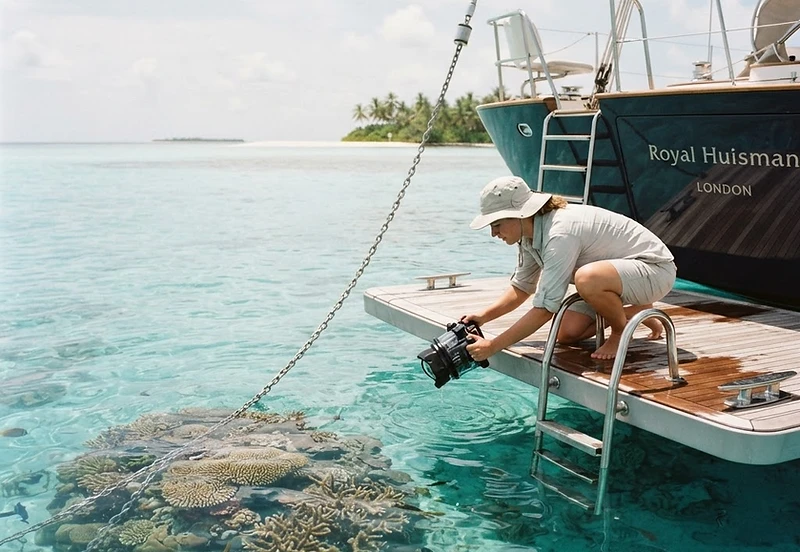
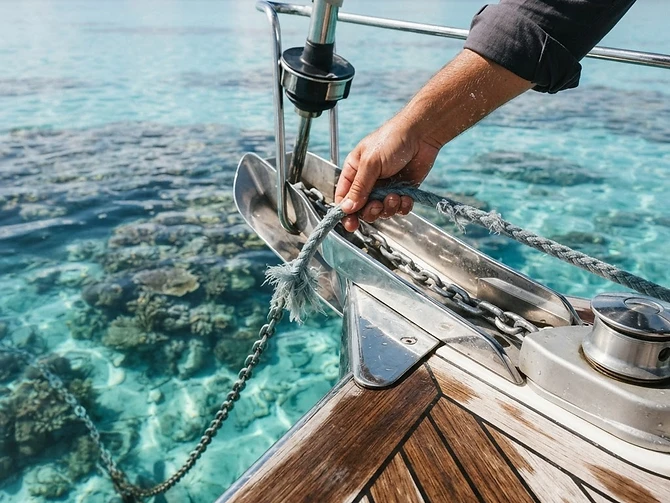
The transition from the bruised, deep-water indigo of the Indian Ocean into the electric, translucent lagoons surrounding Rodrigues is a shift in consciousness as much as a change in depth. As our Royal Huisman schooner, a vessel defined by her graceful, balanced sheer, eased toward the shallows near Îlot Frégate, the seabed transformed into a sprawling, living architecture. Here, the Acropora coral structures rise like calcified cathedrals, indifferent to the demands of a keel. Anchoring here is a test of patience, a silent dialogue between the wind, the tension of the chain, and the fragile garden beneath our hull. We rely on the sharp eyes of our navigator and the slow, deliberate pulse of the tender to scout for barren sand patches, ensuring our steel flukes never graze the history of the reef. It is a ritual of absolute stillness, where the metallic rattle of the windlass is replaced by the profound, heavy quiet of a protected marine reserve.
The Rhythm of the Tide and the Galley
Once the anchor bites into the white sand—checked by a diver to ensure not a single link rests upon the coral heads—the rhythm of life aboard recalibrates to match the island. The isolation of Rodrigues demands a rare resourcefulness. A dawn run by tender into Port Mathurin puts us on the docks just as the local fishermen arrive, their hulls low with the morning’s catch. We returned to the ship with a heavy basket of fresh camaron, the succulent river prawns native to the island’s interior, and a bundle of wild-harvested heart of palm. There is a singular, quiet luxury in the galley as the chef works to honor these ingredients; the scent of searing shellfish mingles with the briny, salt-crusted air of the aft deck. We sat at the teak table to enjoy the camaron dressed in a simple, sharp emulsion of local lime and bruised green chili, a nod to the vibrant Creole heritage that defines every table on this island. As the sun dipped behind the jagged, volcanic ridgeline, we ate with the quiet understanding that our presence here is a guest’s privilege, sustained entirely by the health of the very reef we navigated so carefully to reach.
A Vigil at the Edge of the Reef
As the moon climbed, the lagoon dissolved into a mirror of ink and starlight. The absence of light pollution in these latitudes allows the Southern Cross to sharpen against the black expanse, reflecting off the calm water as if we were suspended in a void. There is no urgency to weigh anchor, for the ground is held firm and the ecology remains undisturbed beneath our hull. Sitting on the foredeck, the only sound is the rhythmic, hypnotic slap of water against the teak planks, a gentle reminder of the ocean's immense patience. We drifted into the night with the certainty that tomorrow’s passage toward the outer banks would be governed by this same discipline—a commitment to the sea that prioritizes its preservation over the convenience of a quick stop. In the blue-grey hours before the dawn, the reef feels less like a waypoint and more like a partner in our voyage, a wild, breathing entity that demands we remain, above all else, humble stewards of the deep.






