
The First Light on the Ramparts
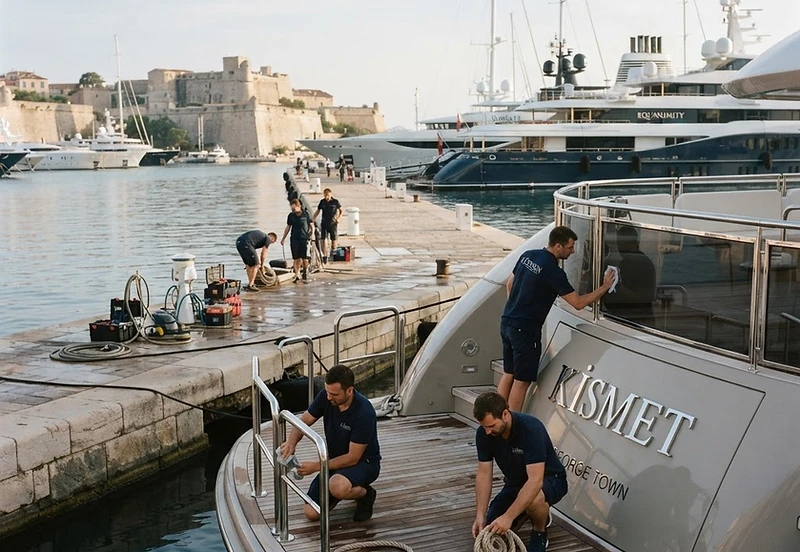
The transition from the bruised purple of pre-dawn to the sharp, gold-etched light of an Antibes morning is a visceral experience for anyone who has stood on the teak of a Lürssen or Oceanco at 05:00. The air holds the distinct, saline chill of the Mediterranean before the mistral takes hold, a silence punctuated only by the rhythmic slap of water against the concrete of the Quai des Milliardaires. Here, the scale of human endeavor is rendered in steel and glass, yet as the sun crests the old town’s fortifications, the sheer size of the vessels seems secondary to the quiet, methodical rituals of the deck crews.
I watched as a bosun, his movements practiced and devoid of theatre, began the morning wash-down, the hose arcing in a perfect, silver trajectory against the hull. It is a moment of profound, singular focus—a stark contrast to the gala evenings that usually characterize this dock. Onboard, the galley is already humming; the smell of fresh espresso and baking brioche drifts from the pantry of a 90-meter charter vessel, signaling the beginning of the guest cycle. It is the life-blood of the industry: the invisible labor that transforms a massive, complex machine into a sanctuary for those who have come to call these waters home.
The Engineering of the Berth
Port Vauban is not merely a staging ground for the world's most elite; it is a marvel of maritime infrastructure that demands respect for its utility. The port serves as the beating heart of the French Riviera, and for a skipper, the peace of mind offered by the IYCA (International Yacht Club d'Antibes) management is absolute. The shelter provided by the protective breakwater is unparalleled, mitigating the swell that can plague more exposed harbours along the coast. Depth is rarely a concern for even the largest displacement hulls, with deep-draft capabilities that accommodate the most imposing superyachts at the IYCA docks.
The practicality of the facility is its unsung virtue. Power demands for a modern vessel are significant, and the shore-side electrical infrastructure here is robust, offering stable high-amperage connectivity that avoids the dreaded power-load shedding of lesser ports. Fueling logistics are managed with precision via the specialized tanker berths, ensuring that bunkering remains a seamless, if heavy, operation. Waste management, often an afterthought, is handled with rigorous attention to local regulations, with vacuum-pump sewage connections available at the primary berths. It is this marriage of heavy-duty industrial capability with the polished veneer of luxury that keeps the global fleet returning to Antibes.
The Rhythm of the Quay
Security at Port Vauban is pervasive but unobtrusive. Access control is managed through a layered system of restricted-entry gates and 24-hour patrols, yet the atmosphere never feels claustrophobic. It allows for the quiet, almost domestic rhythm of life on the dock—the delivery of fresh produce, the rapid arrival of a technician to calibrate a stabilization system, or the quiet exchange between captains checking the morning weather files. The proximity to the historic center of Antibes provides a rare tether to the land, allowing crew and owners alike to slip from the sterile, high-tech environment of the yacht into the ancient, sun-drenched stone streets of the old town.
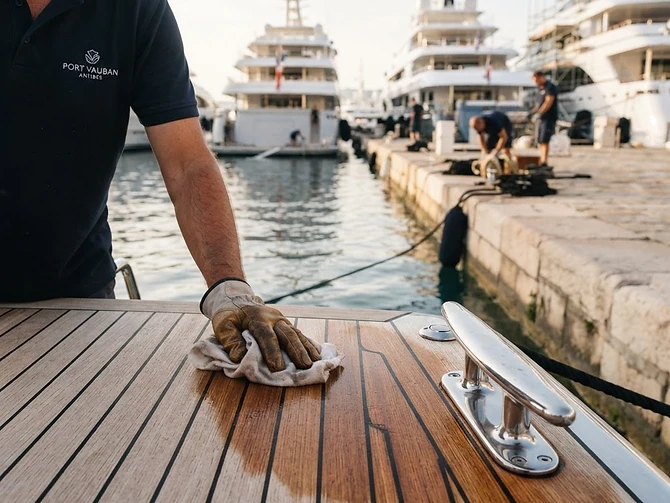
As the day progresses and the port begins to fill with the movement of tenders and the chatter of shore staff, the quiet of the early morning evaporates into the business of the season. Yet, for a brief window, the harbor remains a sanctuary of precision. The last of the deck gear is stowed, the final stainless-steel polish is applied, and the vessel waits, fully fueled and ready, for the lines to be cast off. It is a fleeting, perfect alignment of vessel and harbor, a temporary pause in a life defined by the horizon.






