
The Precision of the Pacific Swell
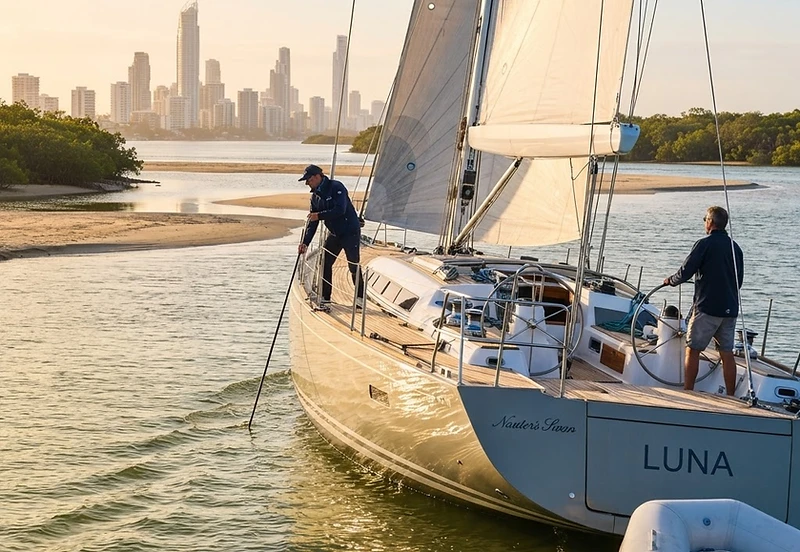
The morning light over the Broadwater does not break; it arrives with the sudden, sharp clarity unique to the Queensland coast. We are ghosting toward the starting line of the Sanctuary Cove regatta aboard a custom Nautor's Swan, her hull slicing through the glassy chop with a silent, predatory grace. There is a specific tension in the air—the kind that only exists when a fleet of seasoned yachts, ranging from sleek carbon racers to elegant, teak-decked cruisers, converges in the channel. The wind, a steady southeasterly, hums through the rigging, carrying the faint, briny promise of the open Pacific beyond the Southport Seaway. Sailing here is a exercise in vigilance; the shifting sandbanks demand constant attention from the tactician, and the depth sounder becomes the most vital instrument on the helm. To steer a yacht through these channels is to read the water's color—dark blue for the deep runs, pale turquoise where the silt rises—a language known only to those who have spent seasons learning the temperament of this tidal labyrinth.
Mangrove Silts and the Kitchen Hearth
As the final gun sounds and the adrenaline of the race dissipates into the humid afternoon, the rhythm of the yacht shifts from competition to the restorative quietude of the anchorage. We steer our tender away from the fleet, venturing toward the deeper, tannin-stained waters of the Coomera River, slipping past the tangled, ancient roots of the mangrove forests. There is a primal satisfaction in trading the technical demands of the rig for the culinary heritage of the region. Tonight, the galley is dominated by the sweet, dense meat of the local mud crab, harvested from the sheltered estuaries at dawn. Our chef works with the simplicity the ingredient demands: we steam the crab whole, serving the pearlescent meat with nothing more than a drizzle of cold-pressed oil from the groves of the nearby Scenic Rim, a dusting of sea salt harvested from the salt pans of the coast, and a squeeze of finger lime. The native citrus provides the essential architecture of the dish; its tiny, tart vesicles pop against the palate, cutting through the richness of the crustacean with an acidity that recalls the sharpness of the sea spray. It is a meal that feels pulled directly from the mangrove shadows—unadorned, muscular, and perfectly suited to the evening.
The Quietude of the Anchorage
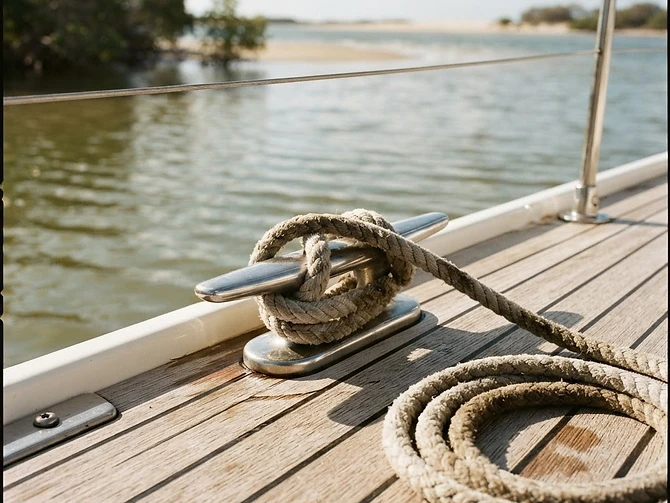
Life aboard, once the sails are stowed and the salt-crusted teak of the deck is washed down, is defined by these small, sensory rituals. The transition from the high-speed intensity of a tactical gybe to the slow, measured pace of the aft deck is what defines the endurance of the yachting life. We watch the sun dip behind the hinterland, turning the sky a bruised, vibrant violet that mirrors the stillness of the anchorage near Sanctuary Cove. There is no urgency here, only the soft, rhythmic slap of water against the hull and the distant, singular call of a kookaburra echoing from the shore. The yacht swings gently on her mooring, a floating sanctuary tethered to the pulse of the tide. We sit in the cockpit as the stars begin to punctuate the darkness, the scent of sea salt and damp earth settling over the deck. In the quiet, one reflects on the day's heading, the way the current pushed against our keel, and the taste of the river’s bounty. We wait for the morning wind to suggest the next passage, the hull humming softly against the tide as the Southern Cross climbs high above the masthead.






