
The Architecture of Cold
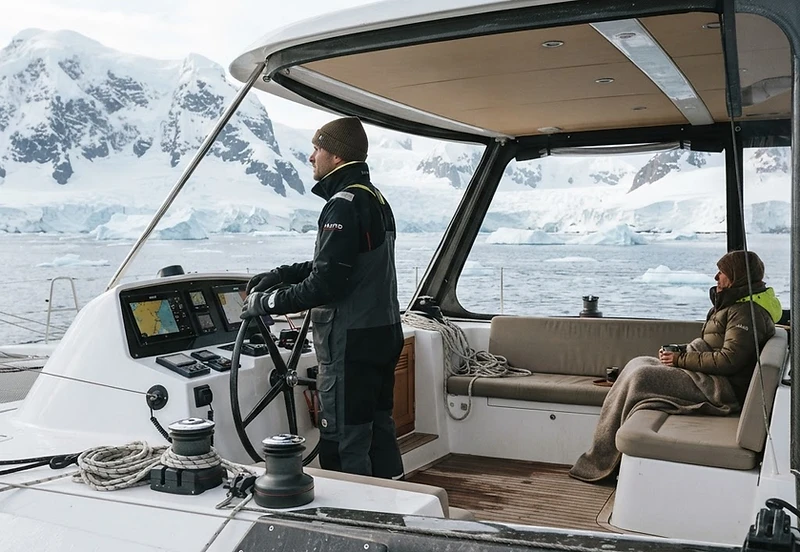
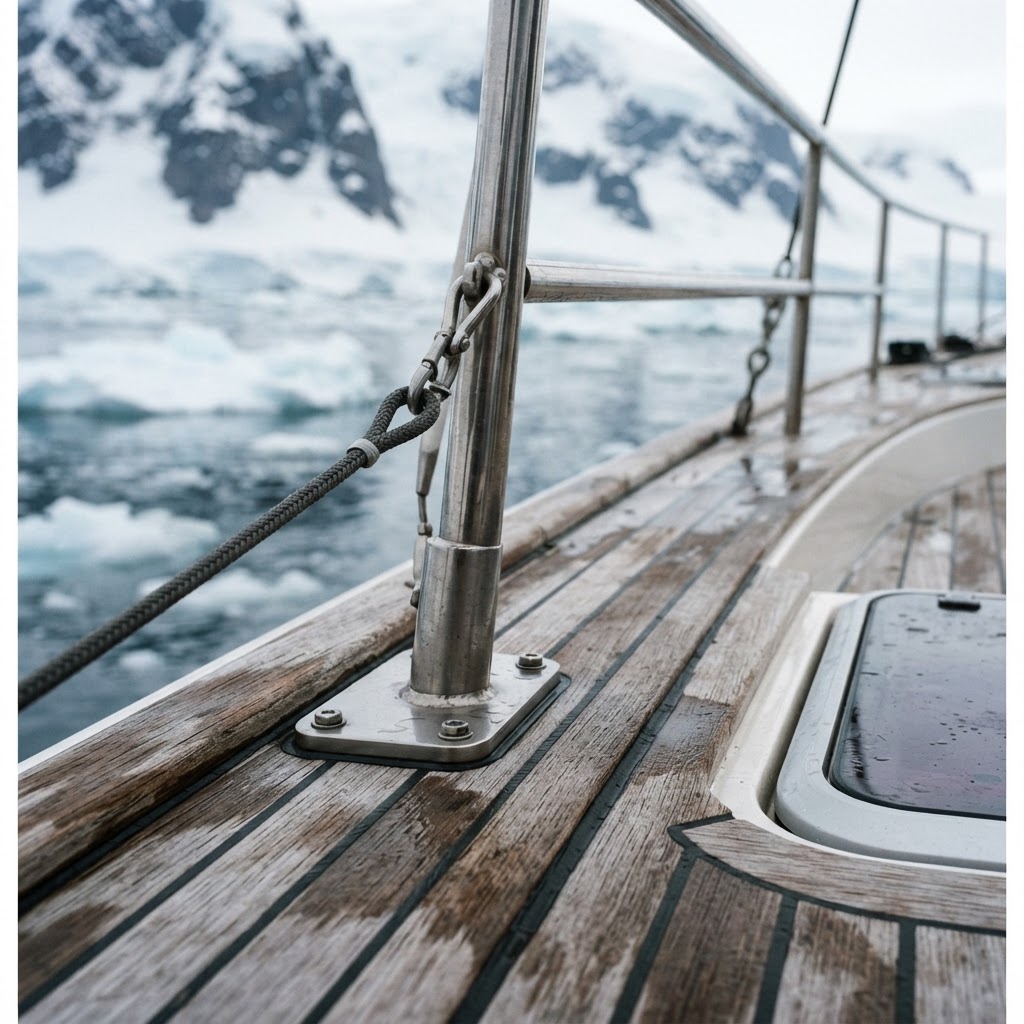
The transition from the helming station to the aft cockpit of a Gunboat 68 is not merely a change in elevation; it is a profound movement between distinct thermal worlds. Out in the Gerlache Strait, the air carries the sharp, metallic scent of compressed glacial ice, a cold so absolute it seems to leach the saturation from the horizon, leaving only shades of steel and slate. But here, sheltered by the high-modulus composite structure and the tempered glass of the aft enclosure, the yacht holds a different reality. The teak deck, still tacky with the crystalline salt of a morning passage through the Lemaire Channel, radiates a subtle, grounding warmth, and the wind, which screams against the masthead, is reduced to a distant, muffled hum. From this vantage, the catamaran does not feel like a vessel of escape, but an extension of the rugged geometry that surrounds us.
The Galley’s Antarctic Harvest
Life aboard in these high latitudes is dictated by the singular necessity of heat. While the Antarctic Peninsula offers nothing in the way of traditional agrarian bounty, the sea provides a rigorous, singular menu that commands respect. This morning, our chef returned from the tender with a small crate of Antarctic icefish, secured near the shallows of Portal Point with the help of an expedition guide familiar with these temperamental currents. There is a peculiar, honest alchemy in preparing such a catch while the hull nudges against the relentless drift of brash ice. We sear the translucent, firm fillets in a pan kissed by cold-pressed olive oil, seasoning them only with coarse sea salt and the sharp, bright zest of a preserved lemon brought from the North. It is a meal of stark, elemental contrasts—the searing, aromatic heat of the galley against the monochromatic blue of the bergs drifting silently past our transom. To dine here, with the hull vibrating against the pulse of the southern ocean, is to understand the true nature of provisioning; it is not about excess, but about capturing the fleeting vitality of the environment.
The Ritual of the Vigil
As the sun begins its long, bruised descent, the aft cockpit undergoes a transformation, shifting from a command center to a space of quiet contemplation. The navigation lights blink to life, rhythmic pulses of red and green that seem almost intimate against the vastness of the frozen continent. We sit in the cockpit as the temperature plummets, observing the way the light catches the intricate, jagged facets of the passing growlers. There is no urgency here, only the steady, comforting thrum of the generator and the occasional, sharp crack of ice shifting against the carbon-fiber hull—a reminder that this vessel, engineered for the blue-water reach of the tropics, is holding its own in the world’s final, lonely frontier. The Gunboat sits remarkably composed, a needle of precision navigating the silence of a geography that refuses to be tamed. We watch the horizon blur into the grey swell, the ice reflecting a final, violet glow before the long, protective dark takes hold of the anchorage, leaving us suspended in the absolute, shimmering stillness of the Antarctic night.






