
The Glacial Scar and the Morning Pulse
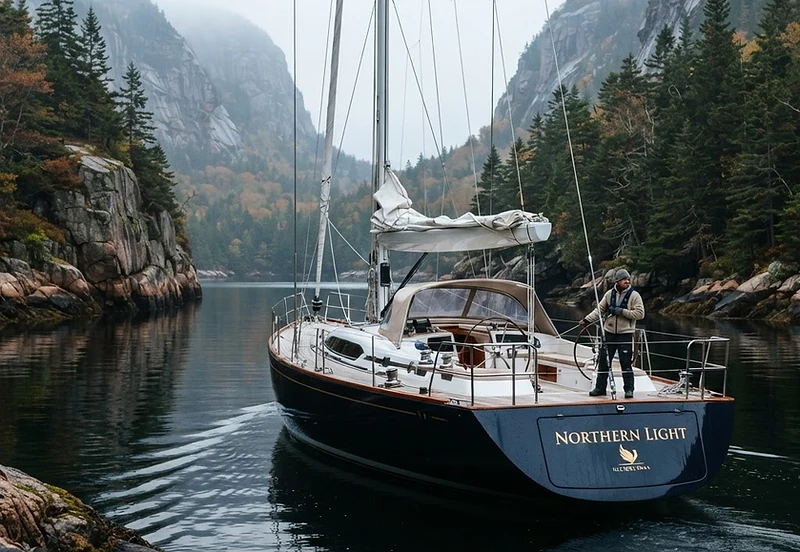
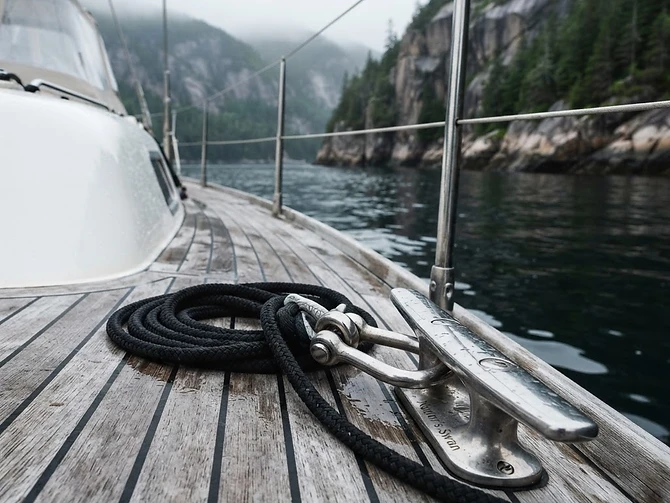
The dawn off the coast of Maine does not break with the aggressive brightness of the tropics; it emerges in layers of steel-grey mist that soften the granite silhouette of the shoreline. We held the helm of our Nautor's Swan, feeling the rhythmic, heavy pulse of the Atlantic against the hull as we approached the entrance to Somes Sound. This is the only true fjord on the East Coast, a deep, glacial-cut scar in the earth that divides Mount Desert Island with imposing severity. There is a particular focus required here—the water is deep, the spruce-covered walls rise sheer and vertical, and the navigation demands constant attention to the charts. As we rounded the headland, the wind died to a whisper, leaving us in a basin of near-perfect stillness, save for the faint, rhythmic slapping of the tide against the teak decking and the occasional distant cry of an osprey.
The Galley and the Cold-Water Harvest
Life aboard during these Northern expeditions is defined by the proximity of the galley to the morning’s catch. By midday, our tender had returned from a local fisherman working the shifting currents near the Cranberry Isles, bringing with them a haul of firm, sweet Atlantic sea scallops and a few pounds of Jonah crab, still smelling of the cold, deep salt. The chef, working with a practiced, economical motion, began the process of searing the scallops in a heavy iron skillet, using nothing more than a knob of salted butter from a local creamery and a scatter of foraged sea parsley plucked from the damp rocks near our anchorage. The scent of the browning butter mingling with the sharp, clean brine of the shellfish filled the saloon, creating a momentary sanctuary from the damp, encroaching chill. We ate on the aft deck, wrapped in heavy wool sweaters, watching the fog lift to reveal the dense, dark green canopy of spruce and fir that define this rugged, uncompromising coastline.
Shorebound Traditions in Northeast Harbor
To reach the heart of the region's culinary culture, we took the tender into Northeast Harbor for an afternoon departure from the water. There is a quiet ritual to coming ashore here: the scrubbed, salt-worn docks, the rhythmic thrum of lobster boats unloading crates of trap-caught crustaceans, and the warm, wood-paneled welcome of the local haunts. We found ourselves at a small, unassuming table near the harbor edge, where the focus remained strictly on the integrity of the ingredient. The plate was simple—a steaming portion of locally landed haddock, finished with a bright, acidic squeeze of lemon and a dusting of coarse Maine sea salt. It was a meal that tasted entirely of the geography; no excess, no adornment, just the clean reality of the cold-water harvest. Walking back to the harbor, the salt air stinging our cheeks, we felt the transition from the necessary isolation of the open water to the grounded, honest tradition of this maritime community.
As the sun dipped behind the jagged ridge of Cadillac Mountain, casting long, bruised shadows across the water, the yacht sat perfectly still in the anchorage. The anchor chain gave one final, resonant groan before the boat settled for the night. In this corner of the Atlantic, the true measure of our voyage is not found in the reach of the mast, but in the profound, undisturbed silence of the harbor and the fleeting, perfect taste of the sea still lingering on one's tongue.






