
The Velocity of the Southern Tide
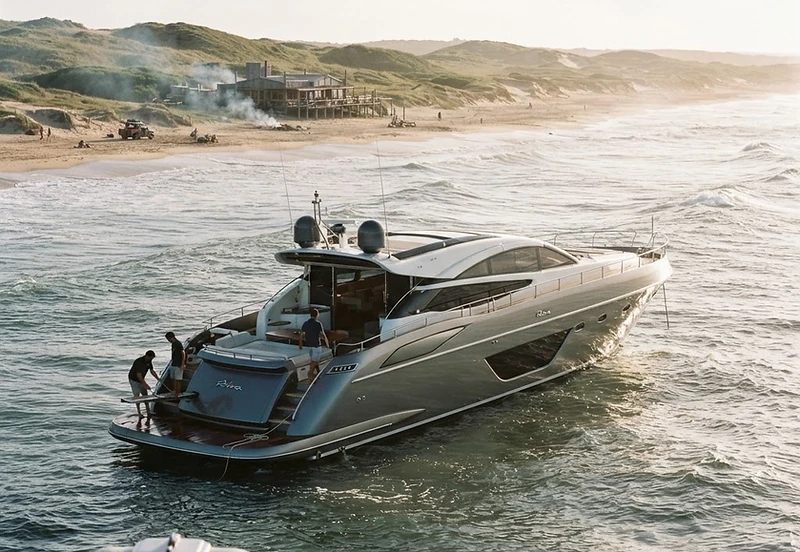
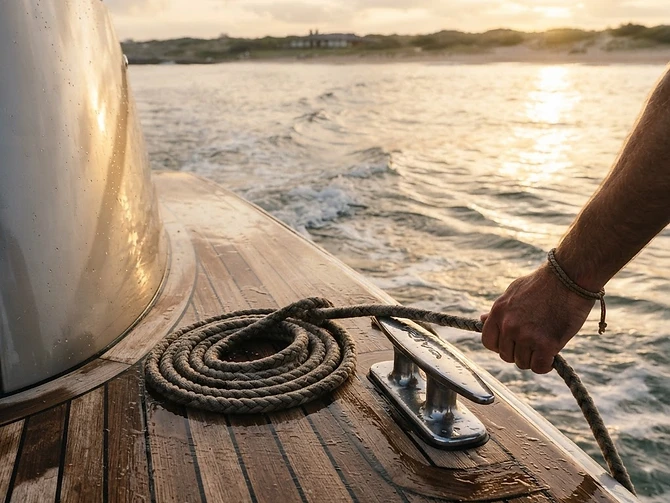
The morning light off the coast of Maldonado has a sharp, crystalline quality that turns the South Atlantic into a sheet of hammered silver. We are aboard a Riva 88 Florida, its lines cutting a purposeful geometry through the chop as we leave the familiar silhouettes of Punta del Este behind. There is a distinct, rhythmic thrum to the engines that vibrates through the teak decking—a reminder that this is not merely a vessel, but an extension of the sea itself. The salt spray leaves a fine, chalky film on the glass, a persistent companion on our run north toward the hidden coves near La Barra. Navigating these waters requires an intimate knowledge of the shifting sandbars that characterise the Uruguayan seaboard. The skipper keeps a close watch on the depth sounder, the numbers flickering in a dance of caution against the rolling deep. We are not just travelling; we are negotiating with the environment, balancing the raw power of the motors against the subtle warnings of the coast. To be on the water here is to be acutely aware of the boundary where the vast, untamed ocean meets the rugged, granite-strewn shoreline of South America.
The Hearth and the Harvest
We drop anchor in the lee of a rocky headland, the yacht swinging gently in the swell. As the tender is lowered—a quiet, mechanical sigh of davits—the scent of the coast begins to carry across the water. It is a mix of dried sea kelp, wild rosemary, and the unmistakable, intoxicating charcoal smoke of an asador. We make for the shore, the hull of the tender kissing the sand at a small cove within reach of the renowned restaurants that define this stretch of the coast, where the culinary spirit is as wild as the Atlantic. At La Huella in José Ignacio, the menu is a mirror of the local tide. The kitchen sources the day’s bounty directly from the small skiffs that anchor in the bay at dawn. We sit at a rough-hewn table, the wood smoothed by decades of salt air, and order the brótola, a local white fish grilled whole over the embers of native quebracho wood. The flesh is tender and fragrant, seasoned only with coarse sea salt and a splash of olive oil pressed in the inland valleys. There is no pretension here; the meal is an elemental communion between the fisherman, the fire, and the table. We share chipirones, the squid so fresh it retains a subtle sweetness, paired with foraged sea fennel that provides a crisp, saline counterpoint to the deep, smoky char of the fish.
Returning to the yacht as the sun begins to dip, the coast takes on a deep, indigo hue. The transition from the intense heat of the beach club back to the cool, teak-lined sanctuary of the yacht is a sensory shift that grounds the entire day. The crew moves with a practiced, silent efficiency, readying the vessel for the short passage back to the Port of Punta del Este. As the last embers of the day fade behind the dunes, we turn the bow seaward once more, the wake behind us stitching the quiet, gathering darkness into the deep water.






