
The Geometry of the Morning Approach
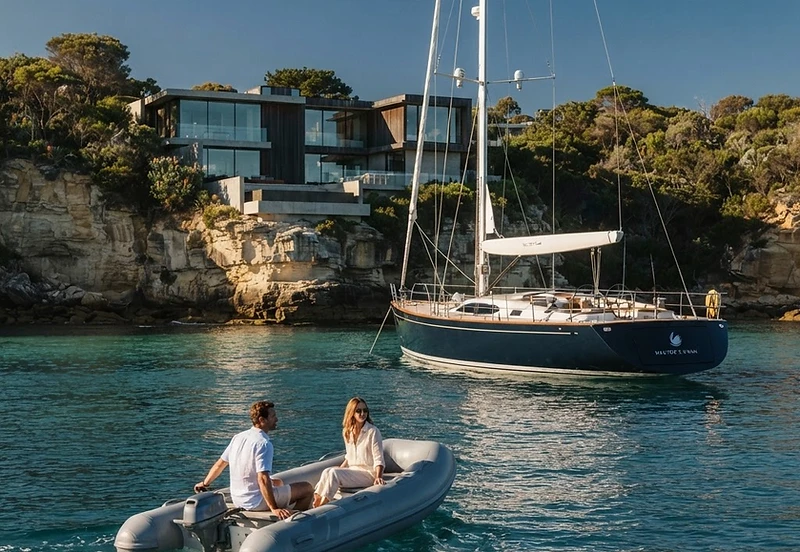
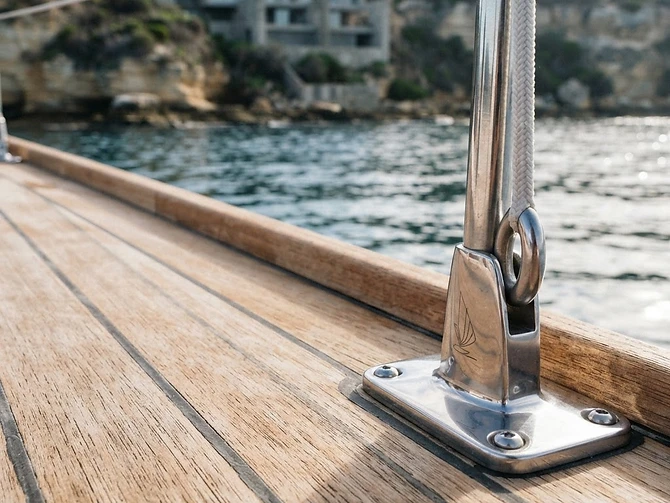
The dawn air across Port Phillip is rarely still, but today the water held a glassy, obsidian quality, broken only by the rhythmic wake of our tender. We had spent the night at anchor off the coast of Mount Martha, the sleek, teak-decked hull of our Nautor's Swan rising and falling in the slow, rhythmic swell that rolls through the Heads. There is a particular intimacy in leaving a vessel at first light; the boat, silent save for the occasional groaning of a fender or the distant lap of water against the waterline, feels like a private kingdom left to drift in the quiet.
As we moved closer to the shore, the geology of the Mornington Peninsula began to sharpen. The limestone cliffs here do not merely sit above the water; they appear to erupt from it, jagged and ancient. We were headed for a specific architectural intervention—a villa designed in the spirit of the late modernist Robin Boyd, which seems to cantilever itself directly over the bay. It is a structure of glass and raw, weathered timber that mirrors the spars of the yachts moored further out in the deeper channels, echoing the same commitment to form and function found in the finest boatyards.
The Threshold Between Hull and Hearth
Landing the tender at the base of the cliffs is a precise art, requiring a keen eye for the surge that pushes against the rocky outcrops. The captain, a man who has spent three decades navigating these specific Victorian waters, killed the engines just as we neared the stone jetty, allowing us to drift into the dock on the remaining momentum. The smell of the air here is a specific alchemy: bracken, salt-crusted limestone, and the faint, sweet scent of tea tree oil carried down from the coastal scrub.
Walking up the sandstone stairs from the water’s edge felt like traversing a bridge between two worlds. The villa, with its floor-to-ceiling glass, allows the sea to become a permanent feature of the interior. Inside, the architecture does not compete with the view; it frames it. The living room, oriented due west across the bay toward the distant, hazy outline of the Bellarine Peninsula, mimics the layout of a classic deck saloon. You sit in a chair that feels as though it is suspended above the water, looking out at the very passage you navigated only hours before. It is a strange, grounding experience to look back from the cliffside at the Swan, seeing her lines and proportions from a distance that reveals the true elegance of her naval architecture, her white topsides catching the early, sharp light.
The Long Sunlight of the Peninsula
We spent the afternoon in the shade of the villa's deep, recessed veranda, shielded from the prevailing southerly wind. A simple lunch—local Western Port snapper, charred quickly over a wood fire and finished with a squeeze of lemon and a drop of cold-pressed oil—reminded us that the best sustenance in the region is always an extension of the sea. There were no distractions, only the steady, hypnotic sound of the tide turning against the rocks below and the sight of a smaller cruiser ghosting past toward the shelter of Safety Beach.
As the sun began to dip behind the landmass, casting long, bruised purples across the surface of the bay, we descended back to the tender. The transition from the stillness of the cliffside home to the active, cooling motion of the boat felt like the closing of a long, resonant chapter. We motored back toward the anchorage, the lights of the villa blinking once before disappearing into the dusk, a silent, man-made lighthouse marking the boundary of our day’s journey.






