The Geometry of the Sound
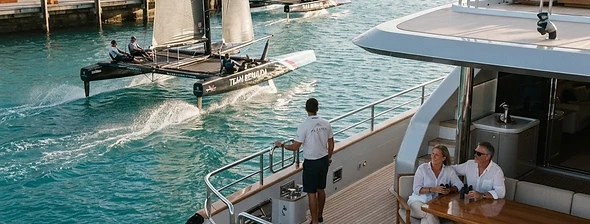
Stepping off the tender onto the docks at Front Street, one is immediately struck by the startling clarity of the water against the limestone perimeter of Hamilton Harbour. It is a rare anchorage where the industrial necessity of a working port brushes so cleanly against the refined, quiet habits of the yachting set. The harbour, protected by the natural, sheltered embrace of the surrounding islands, offers a stillness that is almost deceptive given the tactical intensity of the match-race fleets that congregate here. On a morning when the trade winds drop, the water mirrors the brightly painted colonial façades of the city, turning the harbour into a glass-topped arena for the carbon-fiber hulls of the racing yachts. As the sun ascends, the scent of salt air mingles with the faint, sweet trace of oleander, anchoring the senses in the deep Atlantic.
Tactical Shelter and Shore-side Rhythms
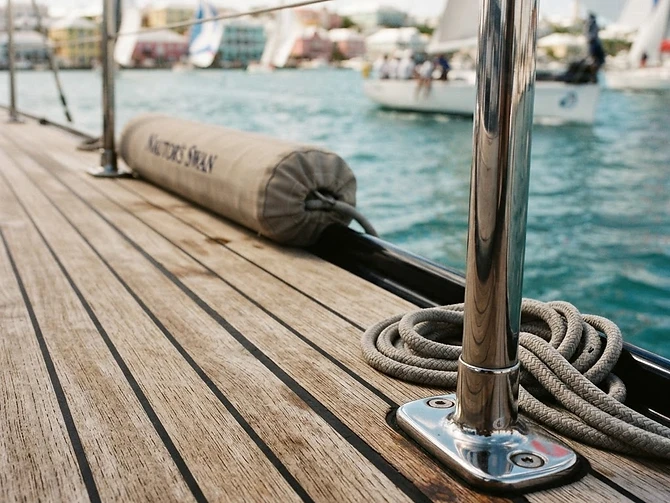
For the skipper, Hamilton is an exercise in managed precision. The depth is ample, with the main channel maintained to accommodate the draft of modern superyachts—frequently hosting vessels from yards like Royal Huisman and Nautor's Swan—yet the local knowledge of the shoals is paramount for navigating the Great Sound. Once tied to the well-maintained quay walls, the experience shifts from the technical to the sensory. Life aboard here moves in harmony with the race calendar. Mornings are spent checking the standing rigging and winches as the mist burns off the bay, followed by a breakfast of local wahoo crudo with a squeeze of bitter orange. The proximity of the dock to the city allows for a seamless transition between the intense focus of the race course and the social rituals that follow, where the clink of glassware at a waterfront bistro like the Harry's at the Waterfront replaces the snapping of luffing sails.
Utility and the Modern Fleet
Practicality remains the bedrock of the experience for any crew managing a major campaign. The harbour is well-equipped with shore power connections capable of handling the demands of substantial vessels, and fresh water is consistently accessible via high-flow hoses. Security is managed with a quiet professionalism that ensures peace of mind, with attentive staff overseeing the docks and tender movements. While heavy-lift haul-outs are typically handled at the dedicated yards in St. George’s, routine maintenance and local marine mechanics are readily available in Hamilton, ensuring that a race-damaged foil or a fouled prop does not end the season. It is a harbour that respects the yacht owner’s need for both proximity to the high-stakes action and the quietude required for restorative downtime after a day on the water.
As the sun dips behind the western headlands, the harbour takes on a different character. The race yachts return, their masts silhouetted against the indigo twilight, and the lights of the city begin to shimmer on the surface of the sound. One feels the weight of the day lift, replaced by the cool, rhythmic pulse of the Atlantic tide lapping against the fenders—a silent, final assurance that the lines are set and the vessel is secure for the night.