
The Weight of the Wind
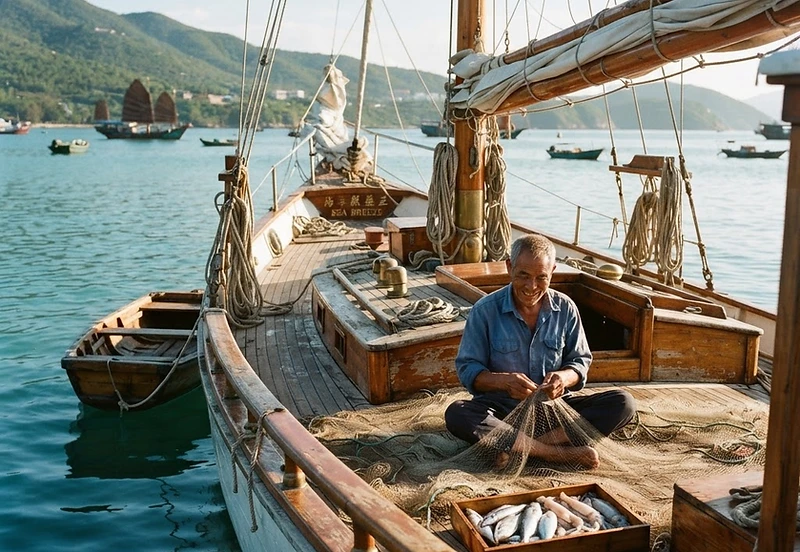
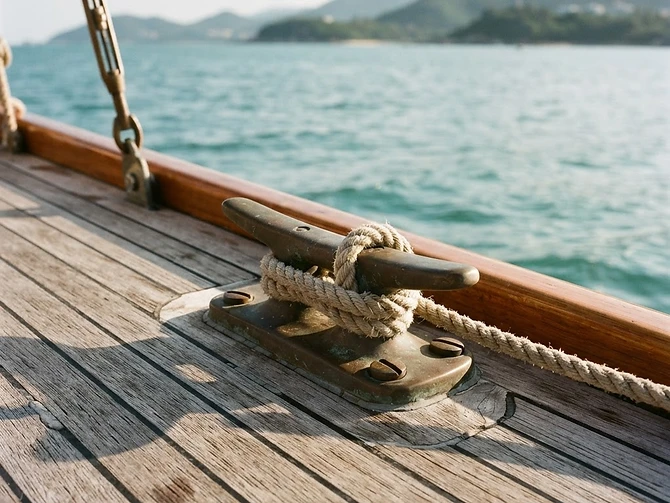
There is a particular gravity to a ketch that has seen half a century of tides. Standing on the aft deck of Sea Jade, a beautifully restored 1970s vessel with the warm, honeyed glow of original Burmese teak underfoot, the modern world of glass-and-steel superyachts anchored off Sanya feels like a distant, flickering static. As we weighed anchor before the dawn mist had fully burned off the South China Sea, the wind piped up from the northeast, humming through the rigging with a musicality that contemporary carbon-fiber rigs simply cannot replicate. The motion was heavy and deliberate, a steady, rhythmic rolling that demanded a physical awareness of one’s footing—a reminder that at sea, you are not merely a passenger, but a moving part of the yacht's anatomy.
The Morning Market and the Galley Ritual
By midday, we had dropped the hook in the crystalline lee of Wuzhizhou Island. The rhythm of life aboard is dictated by the larder as much as the weather. Earlier that morning, the chef and I had taken the tender to a small, nondescript wooden pier near the Sanya fish market, where the air was thick with the scent of fermented shrimp paste and brine. We watched the local fishermen haul in baskets of wriggling grouper and spiny lobster. We returned to Sea Jade with a haul of fresh laba garlic, wild ginger, and the day’s catch—a particularly prized red snapper. Watching the chef prepare the fish in our compact, brass-accented galley, seasoning the fillets with local sea salt and a touch of aromatic green Sichuan peppercorn, was to witness a dialogue between the vessel and the island. We ate under the shade of the mizzen boom, the snapper skin blistered and crisp, the meat delicate and tasting of the deep, cool currents that swirl around the Hainan shelves.
Anchored in the Monsoon Tide
As the afternoon light began to sharpen, throwing long, liquid gold shadows across the teak deck, the conversation inevitably drifted toward the geography of this coast. We anchored for the evening in a quiet cove protected by the dramatic limestone spurs of the southern peninsula. Life here is defined by these pauses: the sound of the anchor chain rattling through the hawsepipe, the distant chime of a bell from a nearby fishing skiff, and the cool, damp feeling of a linen napkin against sun-warmed skin. Dinner that evening was simple, served on the deck as the stars began to pinprick the velvet sky: a claypot rice perfumed with salted duck egg and local wild mushrooms, a dish that anchored us firmly in the soil of Hainan while we swayed on its surrounding waters. There was no pretense, only the quiet satisfaction of a vessel well-sailed and a belly satisfied by the harvest of the immediate coast. As the last embers of the day faded, the only sound left was the gentle lap of the tide against the hull, a soft, insistent reminder of the sea’s singular, ancient authority.






