
The Shallow Draft Advantage
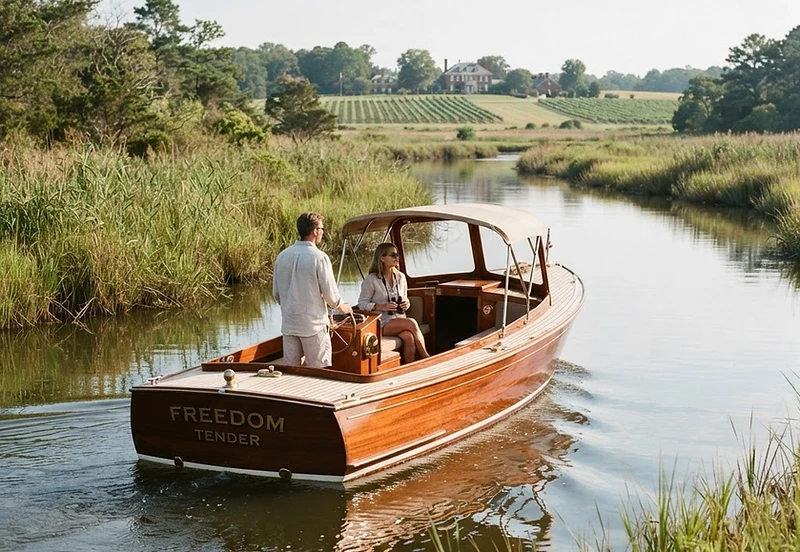
The Chesapeake Bay is a vast, slate-grey puzzle of salt and sediment, a navigator's geometry that demands an intimate understanding of the shifting shoals. We held our 85-foot motor yacht off the mouth of the Wye River, the anchor biting securely into the soft, grey-black mud characteristic of these brackish reaches. There is a specific, weighted stillness that descends when the main engines finally cut, a transition from the mechanical thrum of the passage to the rhythmic slap of chop against the hull and the distant, lonely cry of an osprey circling the pine-fringed banks. To reach the heart of the Eastern Shore, the mothership is far too grand a vessel, her displacement a liability against the river's thinning throat. We lowered the custom-built tender, its polished teak decks and white-gloved finish catching the morning sun, to bridge the distance between the deep-water anchorage and the quiet interior of the mainland.
Following the Salt-Stained Currents
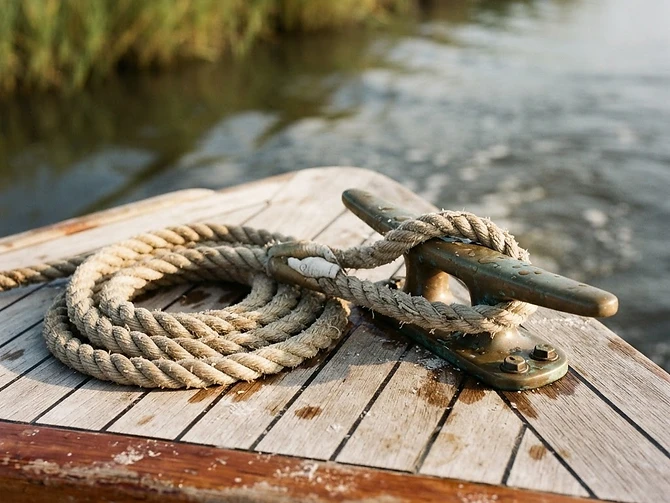
Steering the tender into the Wye is a nuanced exercise in reading the water’s skin. The current here pulses with the tide, a living conveyor carrying the silt of the bay far inland, requiring constant attention to the depth sounder as we navigated the serpentine bends. We traced the winding path of the river, the landscape shifting from expansive, open water to narrow, overhanging channels where the air grew thick with the heavy, sweet scent of loblolly pine needles and damp earth. This is the true terroir of the Eastern Shore—a land defined by its liquid boundaries and the relentless rhythm of the lunar pull. Passing the quiet, weathered wharfs and 18th-century clapboard barns that define the Talbot County skyline, we eventually found our berth at a modest, weathered wooden pier near the edge of the Wye Heights Estate lands. There were no linesmen or glossy superyacht service crews here, only the soft, rhythmic creak of the dock pilings and a narrow, beckoning path leading through high, salt-grass meadows toward the sun-drenched vineyard beyond.
The Harvest and the Hull
Lunch was an exercise in radical locality, centered entirely around the bounty of this specific stretch of Maryland soil and estuary water. We made our way to a small, open-air pavilion overlooking the vines, where the table was set with rockfish—the Chesapeake’s silver-scaled king—pulled from the bay at dawn. It was prepared simply, grilled over charcoal and served with a sharp, bright corn relish and an aromatic dusting of sea salt harvested from the northern reaches of the coast. The primary pairing was a flinty, crisp Vidal Blanc, the estate’s own expression of this humid, river-cooled climate. It was not a meal of artifice, but a meal of geography, the kitchen reflecting the same seasonal, tidal urgency that dictates our life aboard. We sat beneath the cooling shade of a pergola, sunlight filtering through the vine leaves in dappled, shifting patterns, while out on the water, our yacht sat quietly—a singular white silhouette anchored in the distant, shimmering haze of the bay. In that silence, one understands that the luxury of yachting is not just the vessel, but the ability to translate a nautical passage into a tangible, earthly sense of place.
As the tide began its long, inevitable retreat, we returned to the tender, noting the waterline had dropped several inches against the riverbank—a reminder of the urgent clock we live by. The run back to the mothership felt like a gentle, rhythmic unwinding, the outboard's hum a low, steady counterpoint to the rustle of the marshes and the call of the blue herons. We climbed back aboard as the afternoon light deepened to a bruised, golden violet, the day’s journey—from the deep-sea navigation of the open Bay to the quiet, rooted simplicity of the vineyard—closing with the steady, reassuring vibration of the vessel readying itself for the evening swing at anchor, swaying gently as the tide turns once more.






