
The Geometry of the Morning Tide
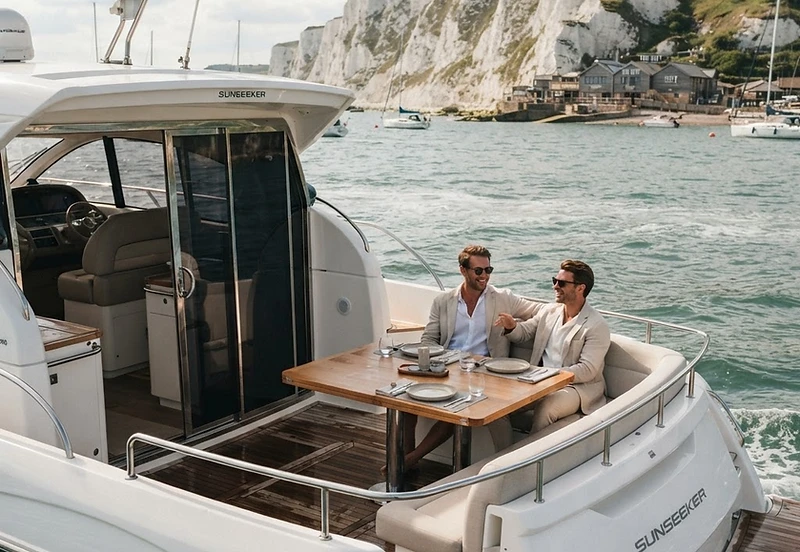
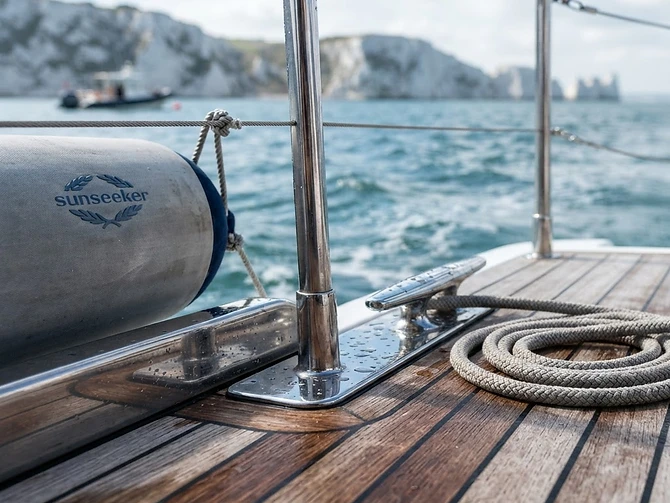
There is a specific cadence to the Solent on a Tuesday morning in May, when the spring tide pulls away from the Needles and the water takes on that bruised, metallic grey unique to the English Channel. We were aboard a Sunseeker Predator 60, a vessel that understands the virtue of pace. The air was crisp, tasting of salt and distant damp earth, the wind holding just enough bite to demand a heavy knit, yet the sky remained clear. As we cleared the marina at Cowes, the throttle response was immediate, the hull lifting with the familiar, hungry roar of twin engines settling into a plane. We were not merely traversing water; we were navigating the intricate dialogue between the fierce local currents and the quiet necessity of arrival.
The Arrival at Colwell Bay
The beauty of a sports motor yacht lies in its agility—the way it shrinks the distance between an open-water anchorage and the immediate tactile world of the shore. We bypassed the busy bustle of Yarmouth, opting instead to hold station off the white-chalk bluffs of Colwell Bay. Bringing the RIB in, the transition from the deep, thrumming resonance of the yacht to the sudden, intimate stillness of the shallows was jarring in the most grounding way. The Hut, perched precariously on the cliff edge, represents the apotheosis of Solent dining: unpretentious, exposed to the elements, and entirely dictated by the day's maritime conditions. The scent of charcoal smoke and grilled garlic drifted down the limestone path to meet us, an olfactory beacon pulling us toward the stairs.
Sea Salt and Sourced Provenance
The table was set with a view that consumed the entire horizon, from the jagged, iconic profile of the Needles to the distant hazy smudge of the Dorset coast. Here, the menu acts as a cartography of the surrounding waters. We began with Isle of Wight tomatoes—deeply sweet, grown in the island’s peculiar microclimate—doused in a generous local rapeseed oil and a pinch of hand-harvested sea salt. The centerpiece was a whole-roasted sea bream, landed at dawn in the nearby harbors, its flesh opaque and tender, kissed by the intense heat of the wood fire. There is a primal satisfaction in eating fish that was, only hours before, swimming in the same tides you navigated to reach your chair. We finished with a local strawberry tart, the berries vibrant and sharp, a seasonal punctuation to a meal defined by the maritime geography of the Wight.
As we descended back to the tender, the tide had turned, the water lapping with renewed vigor against the pebbles. The return run to the yacht felt different—the sun lower, the light thickening over the Solent, turning the churn of our wake into a ribbon of fractured gold. Back on board, the engines cut to silence, leaving only the gentle slap of water against the fiberglass hull. The day had been anchored by that single, perfect hour on the cliff, a reminder that the true utility of a yacht is not the vessel itself, but the access it provides to the quiet, salt-etched corners of a coastline that only reveals itself to those who take the time to arrive by sea.






