
The Architecture of the Atlantic Edge
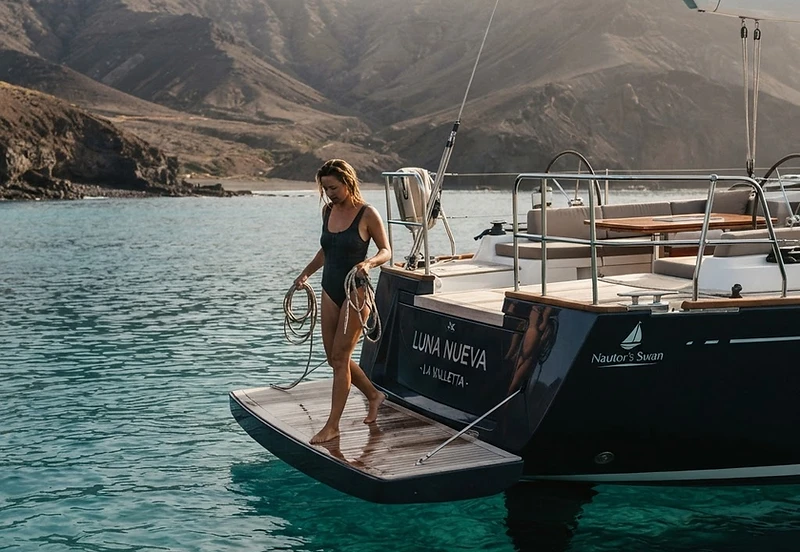
The anchor chain of the Nautor’s Swan rattled into the seabed with a sound like shifting coins, settling deep into the dark, volcanic grit of the Playa de Papagayo. From the aft deck, the coastline of Lanzarote appears as a jagged, ochre-hued serration against the violent, prismatic blue of the Atlantic. Here, where the trade winds carry the dry, mineral breath of the Sahara across the islands, the luxury of the modern yachting experience is quietly recalibrating. We are pivoting away from the incandescent, high-decibel glare of mass-market beach clubs toward a more considered, subterranean form of coastal integration. As the sun began to slip behind the Los Ajaches peaks, the silhouette of a small, low-profile structure emerged, built not to dominate the shoreline, but to retreat into the basalt rock itself. It is a structure that understands the fragile equilibrium of the Canarian littoral, mirroring the restraint required when piloting a vessel through such a geologically profound reach.
Sustenance from the Volcanic Soil
Stepping off the tender onto the dark, cooling sand, the sensory transition was immediate. The expansive silence of the anchorage remained undisturbed, while the sharp, saline bite of the ocean air was underscored by the earthy, primal aroma of charred volcanic soil. We walked toward a modest, open-air pavilion that exemplifies the island's emerging commitment to a hyper-local larder. The culinary identity of Lanzarote is as rugged as its terrain, born from the resilience of crops that thrive in the picón—the dark, porous volcanic ash that captures morning dew to feed the vines and legumes in an otherwise arid climate. We were served papas arrugadas, small, wrinkled potatoes boiled in sea-concentrated brine until the skins were crusted with white salt, accompanied by a vibrant mojo rojo, a piquant emulsion of roasted garlic, cumin, and the sun-dried heat of local picona peppers.
It is a meal of structural economy and profound depth, a reminder that the most authentic dining is that which requires the least transport. Our captain, a veteran of these Atlantic passages, had spent the morning in dialogue with the local fishermen at the Puerto del Carmen market. They had secured a prime cherne—a firm, pearlescent-fleshed wreckfish pulled from the deep, nutrient-rich canyons between Lanzarote and Fuerteventura. Back at the pavilion, the chef prepared the fish simply, roasted over open flames fueled by dried vine cuttings, honoring the integrity of the ingredient without pretense. It was a stark, honest dialogue between the galley's reach and the island’s bounty.
The Quietude of the Anchorage
Returning to the yacht as the tide began its slow, inevitable retreat, the experience of the beach club felt less like a destination and more like a necessary punctuation mark in a longer passage. There is a quiet, radical grace in choosing to host an evening ashore that respects the fragility of a marine environment as sensitive as the Canary archipelago. As the deck lights were dimmed to conserve energy, we watched the constellations ignite over the caldera, appearing as distinct and sharp as the basalt pillars below. There was no background music, only the gentle, rhythmic slap of the Atlantic against the hull and the distant, cooling hiss of the trade winds moving over the lava fields. The yacht rocked with the patient cadence of the swell, a self-contained vessel anchored in a world that asks for nothing more than our sustained, thoughtful attention. Beneath the vast, dark expanse of the Atlantic sky, we remained, merely guests of the tide.






