The Geometry of the Anchorage
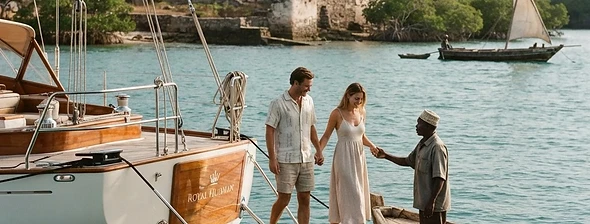
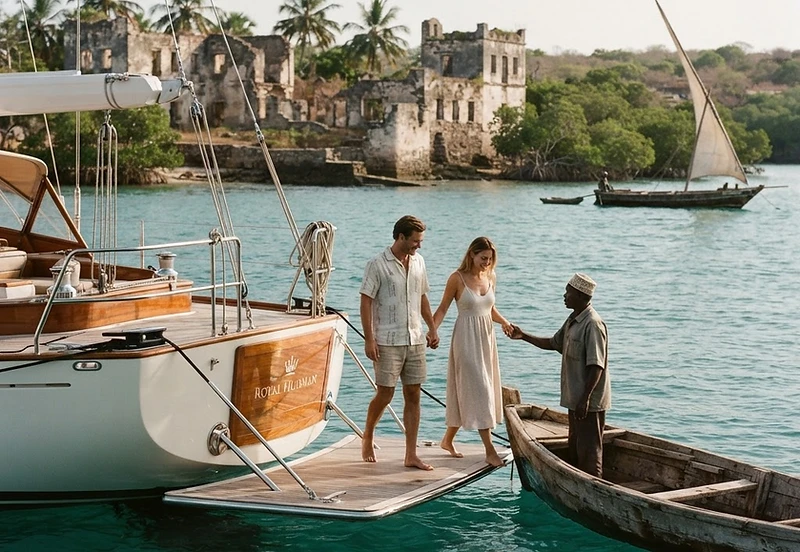
The transition from the deep, cobalt expanse of the Mozambique Channel into the intricate lace of the Quirimbas is not merely a matter of navigation; it is a recalibration of the senses. Bringing a 45-metre Royal Huisman into the lee of Ibo Island at slack tide demands an absolute clarity of purpose. As the depth sounder chirps its warnings, rising rapidly from the abyss to the sudden, pale turquoise of the coral shelf, the anchor chain hits the sand with a deliberate, heavy finality. We are alone, save for a local dhow tacking slowly against the current, its white sail a sharp triangle against the intense, humid green of the mangroves.
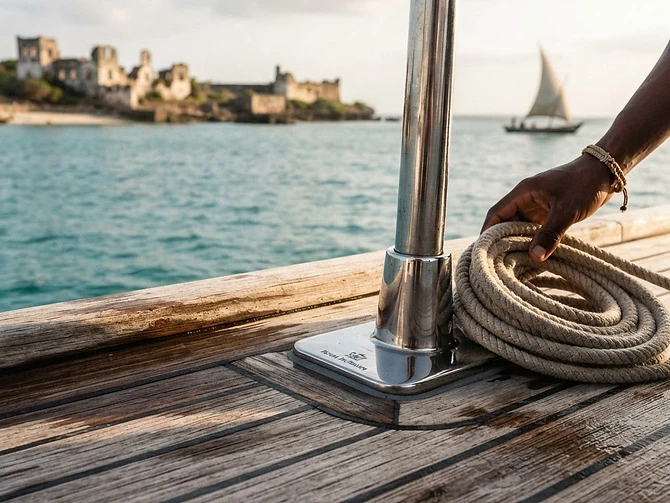
Life aboard during these solitary stretches finds its own essential cadence. In the quiet hours of the morning, before the trade winds strengthen, the only sound is the rhythmic thrum of the watermaker and the faint, rhythmic slapping of the tide against the hull. It is a time for introspection, a moment to observe the way the light fractures through the teak decking, turning the weathered wood into a landscape of silver and gold. There is no frantic itinerary here, only the necessity of checking the lines and ensuring the vessel rests easily in the lee of the island’s ancient, crumbling ramparts.
The Galley and the Spice of the Coast
Our presence in these waters is inevitably defined by the bounty of the reef. The chef makes a dawn run in the tender to the small, bustling market near the Ibo quay, returning with silver-scaled snapper and a handful of local aromatics—cardamom pods, fresh ginger, and the distinct, fiery kick of the local piri-piri. The galley becomes a laboratory for the intersection of sea and soil. By midday, we are dining on a light carpaccio of wahoo, dressed with cold-pressed coconut oil and a squeeze of lime gathered from the island’s interior, the flesh firm and tasting faintly of the deep salt-currents it inhabited just hours prior.
The dialogue between the hull and the reef is constant, a reminder that we are guests in a wild, unfolding ecosystem.
Dining aboard is not a grand performance but a celebration of simplicity. As dusk descends, the crew grills the day’s catch over charcoal, the smoke mingling with the scent of sea salt and damp earth drifting off the coast. We pair the charred snapper with a bowl of locally harvested cassava leaves steamed with garlic and coconut cream—a dish that anchors us firmly to the geography of the Quirimbas. It is a meal that demands nothing of us but our attention, enjoyed on the aft deck as the Southern Cross begins to pierce the indigo veil of the evening sky.
The Quietude of the Return
As the week wanes and the monsoon winds begin to clock around, the urgency of the open sea calls us back toward the horizon. There is a singular, bittersweet grace in the moment the windlass begins its low, mechanical groan, hauling the anchor from its sandy cradle. We watch the island retreat into the haze, the ruins of Ibo fading into a silhouette of ghost-white stone and deep, encroaching jungle. The yacht finds its rhythm again, the keel cutting a clean, purposeful wake through the shallows. Behind us, the atoll remains as it was—untouched, silent, and entirely indifferent to our passage, leaving only the memory of the light on the water and the quiet, salt-etched peace of a week anchored in the cradle of the Indian Ocean.