
The Anatomy of Persistence
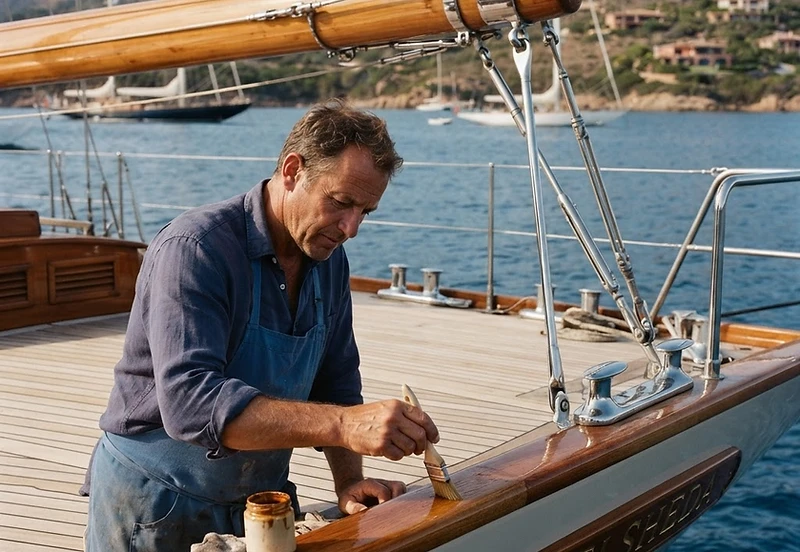
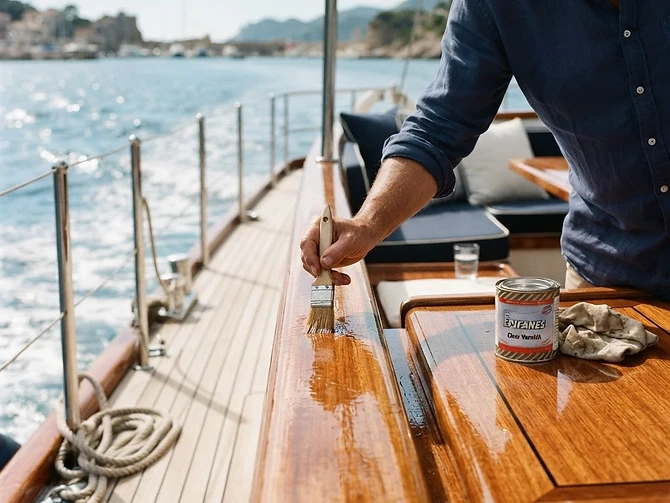
On the aft deck of the 1964 Abeking & Rasmussen ketch, the morning air is thick with the scent of raw timber and the sharp, medicinal tang of Epifanes solvent. Here, in the quiet corner of the STP Shipyard in Palma, the restoration of brightwork—those sweeping expanses of mahogany caprails and teak cockpit trim—is a sacred rite. It is a task that defies the modern impulse for instantaneous results, demanding a near-meditative surrender to repetition. To apply a coat is to witness a transformation; the thirsty, weathered grain drinks deep, eventually surrendering to a luminous, depth-defying clarity that mirrors the Mediterranean swells the vessel was born to traverse.
I remember a Tuesday in mid-April when the Mistral had finally died down, leaving the harbor in a state of glass-like perfection. My hands, stained a faint, permanent hue of varnish-tint, moved in rhythmic passes. There is no shortcut here; to rush the application is to invite the dreaded 'orange peel' texture, a flaw that would haunt one through every evening sundowner. The work is a dialogue between the tool and the grain, an ancient conversation that bridges the gap between the shipwright’s original intent and the present day.
The Tactile Geometry of the Grain
Between each layer lies the grit of the sanding block, a sound that serves as the heartbeat of the shipyard. This is where the true character of the mariner is tested. One does not simply sand; one listens to the friction, feeling for the precise moment the surface transitions from resistive to silk-smooth. It is a sensory feedback loop that bypasses the intellect entirely.
The beauty of a heritage yacht is not found in the pristine nature of its materials, but in the evidence of constant, reverent attention.This cyclical labor—layer, cure, abrade—is an architecture of patience. It builds a physical barrier against the relentless aggression of salt spray and the punishing UV index of the Balearics, a manifestation of time protected by a transparent, ambered shield.
Standing back to inspect a freshly leveled coat, one notices how the light catches the mahogany. It is not a plastic, synthetic sheen, but something organic—a warmth that seems to emanate from within the fiber of the tree itself. During these long, quiet hours, the shipyard feels like a sanctuary, far removed from the frenetic pace of the charter season yet inextricably linked to its demands.
The Luminous Inheritance
As the final coat finds its level, the wood takes on a liquid, metamorphic quality. Under the low-angled morning light, the brightwork acts as a compass, reflecting the shifting hues of the harbor and the intricate geometry of the stainless rigging above. It is a finish that does not merely sit upon the surface but resides deep within it, revealing the hidden history of the timber—a swirl here, a knot there, preserved like a fossil in resin. To maintain such surfaces is to participate in a lineage of care that stretches back decades, honoring the hands that polished these same rails in the ports of Antibes or Porto Cervo long before I arrived.
Ultimately, the art of varnishing is less about the aesthetic triumph of the shine and more about the discipline of the process. It is a commitment to a standard that exists beyond the demands of a fleeting season. In the solitude of the boatyard, the act of laying down a perfect coat is an act of preservation—a way of ensuring that when the vessel finally slips its moorings to chase the horizon, it does so with the poise of an heirloom, a masterpiece of living wood that honors the sea.






