
The Architecture of Buoyancy
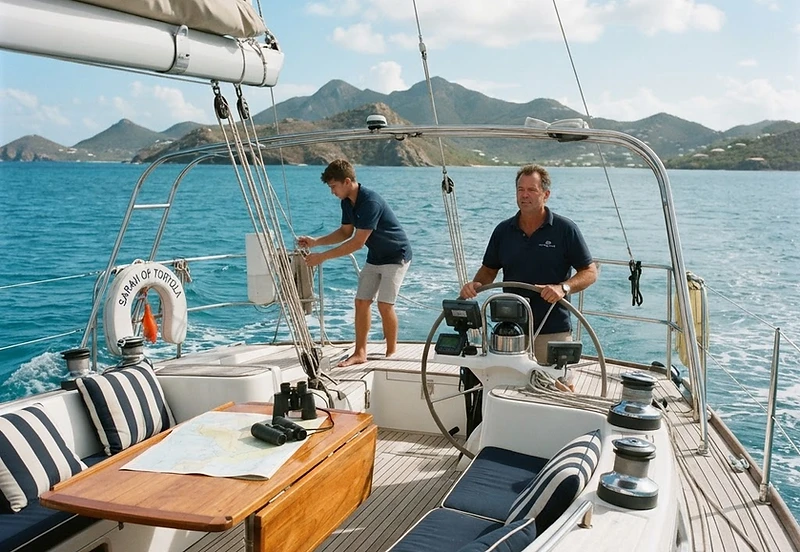
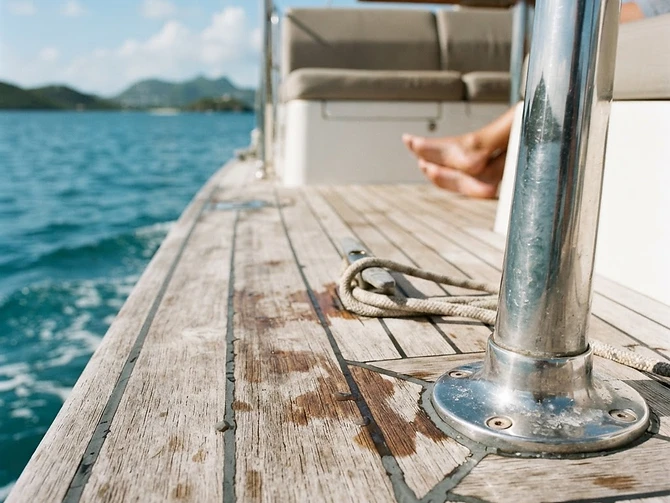
Stepping onto the deck of a high-performance catamaran at the Nanny Cay Marina in Road Town, one is immediately struck by the deliberate spatial logic of the craft. Unlike the heeled, restless experience of a monohull—which demands constant physical adjustment and a bracing of the core—the multihull offers a flat, expansive plateau that treats the Caribbean trade winds as an invitation rather than an adversary. The interior salons flow seamlessly into the aft cockpit, creating a singular plane of teak and shade that mimics the open-plan ethos of the finest contemporary coastal villas. Here, the architecture is not about enclosure or the containment of space, but about the calculated erasure of boundaries between the galley and the sea itself. One finds that the transition from the air-conditioned interior to the open deck is so fluid as to be nearly imperceptible, a design triumph that allows the scent of ozone and brine to permeate the morning coffee ritual.
The Geometry of the Anchorage
Navigating the Sir Francis Drake Channel, the catamaran functions as an ideal mobile observation deck. There is a specific, quiet satisfaction in the shallow draft of these vessels, allowing for passage into intimate coves that remain entirely hidden from the larger steel-hulled yachts restricted to deeper channels. As we approached the iconic granite boulders of The Baths on Virgin Gorda, the vessel felt less like a nautical machine and more like a floating, private pavilion.
The light here does not hit the water so much as it permeates it, creating a luminous, cyan-tinted theatre that requires no embellishment from the observer.During the heat of the midday sun, the trampoline netting becomes the primary living space, offering a view of the passing coral heads that is both uncomfortably intimate and exhilaratingly vertigo-inducing. It is a place for suspended thought, where the rhythmic slapping of the bridge deck against the swell provides a consistent, low-frequency percussion to the day, punctuated only by the occasional cry of a frigatebird circling the masthead.
A Ritual of Descent and Rest
As evening approaches, the ritual of the anchor drop in the protected waters of Salt Island brings a profound, almost velvet quality of silence. With the sails furled and the hum of the engines finally quieted, the vessel settles into the evening current with a sigh of relief. The transition from active passage to static repose is marked by the shifting, elongated shadows of the spreaders across the deck—a celestial sundial that tracks the final, golden hours of the day. We opted for a simple dinner of locally caught mahi-mahi prepared with nothing more than lime, sea salt, and a dash of local pepper sauce, served under an open sky. Shielded only by the hardtop bimini, the isolation feels curated rather than accidental. It is a stark reminder that luxury at sea is less about the sophistication of onboard systems and more about the rare, profound quality of the stillness one is permitted to inhabit.
By the time the Southern Cross becomes visible above the horizon, the British Virgin Islands have been reduced to their most essential, beautiful components: the stinging scent of salt, the persistent, cooling hum of the trade winds, and the gentle, oscillating motion of a craft that knows exactly where it belongs in the vast, dark expanse of the Caribbean.






