
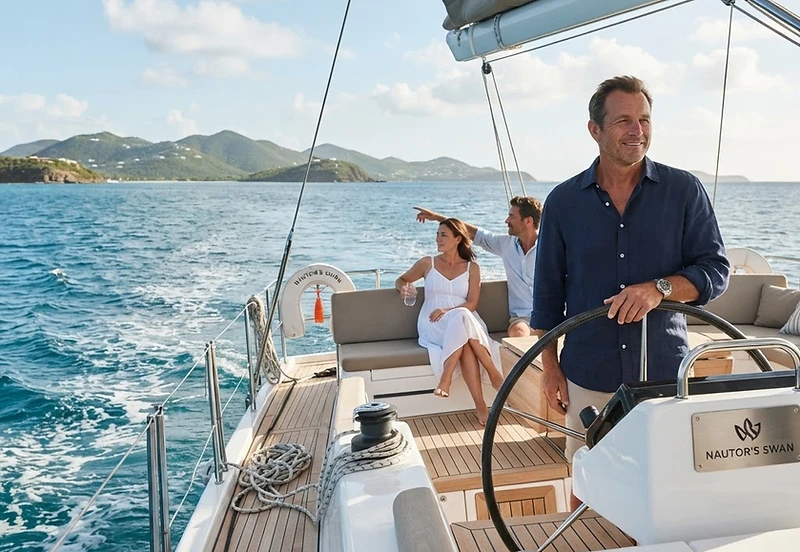
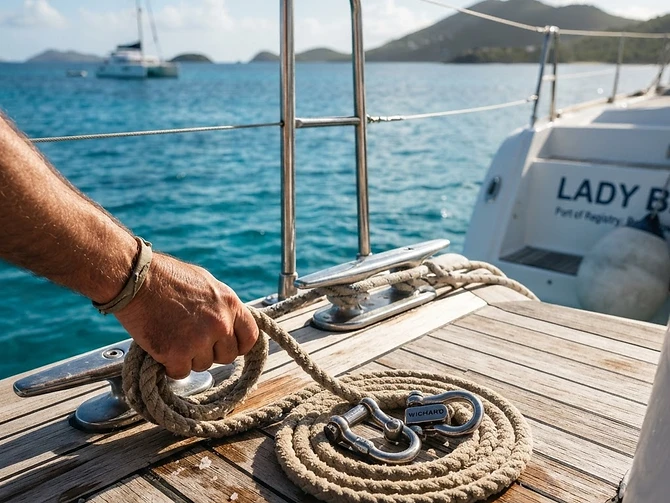
In the British Virgin Islands, time is measured not by the clock, but by the rhythmic, predictable pulse of trade winds against the rigging. Chartering a high-performance catamaran—perhaps a Lagoon 52 or a sleek Fountaine Pajot—through these sheltered waters requires a fundamental recalibration of one’s internal compass. The architecture of the craft, with its expansive beam, open-concept saloon, and vast trampoline forward, demands a different choreography. It is a slow, deliberate engagement with the horizon, where the vessel functions less like a machine and more like a mobile extension of the island landscape itself, suspended between the cerulean sky and the shifting, sun-drenched seabed.
The Architecture of the Open Deck
The allure of the modern multihull lies in its horizontal generosity. Unlike the traditional monohull, which often demands a certain physical resignation to its canted, narrow decks, the catamaran offers a platform of absolute stability, even under a brisk northeasterly. Stepping onto the deck at dawn near Anegada or approaching the rugged northern shore of Virgin Gorda, one finds that the design prioritizes a seamless proximity to the surface of the water. The transition from the shaded galley to the sun-drenched trampoline is fluid, creating a continuous, airy space that mirrors the vast, uncluttered expanse of the Caribbean. I recall one particular morning anchored off Saba Rock; the silence was punctuated only by the soft lap of water against the hulls as the crew prepared fresh fruit, the scent of espresso mingling with the sharp, clean brine of the sea—a sensory reminder that here, luxury is defined by the absence of walls.
The beauty of the Virgin Islands lies in their transparency; from the helm, one watches the seabed migrate from deep indigo to translucent aquamarine, a visual shorthand for the depth and character of the passage.
Light and the Moving Horizon
Navigation here is an exercise in managing the light. At mid-morning, the refraction of the sun against the white fiberglass hulls creates a luminous, almost ethereal quality that defines the interior living spaces, casting soft reflections onto the overheads. As the day progresses, the light deepens into a rich, golden amber, casting long, sharp shadows across the teak cockpit. This interplay of brilliance and shade provides a natural cadence to life on board, dictating the tempo of meals, the rhythm of the sail trim, and the quiet, introspective hours spent anchored in the lee of Salt Island. During a late passage toward the Baths, watching the silhouette of the mast cut against a violet-streaked sky, one realizes that the environment is not merely a backdrop, but an active participant in the design of the day.
The experience is ultimately defined by the shedding of external constraints. To navigate these cays is to participate in a cycle of constant, gentle discovery, where the vessel serves as a quiet, unobtrusive lens through which to view the archipelago. It is a refined, stripped-back existence that favors the tactile—the crystalline salt crusting on the skin, the rhythmic tension of the sheets under load, and the profound, weighted grace of a hull at rest in a deserted bay. Whether one is navigating the narrow channels or simply riding the tide at anchor, the catamaran provides a sanctuary of stillness, allowing the sailor to inhabit the islands with a quiet, observant reverence.






