

The Quietude of the Dry Dock
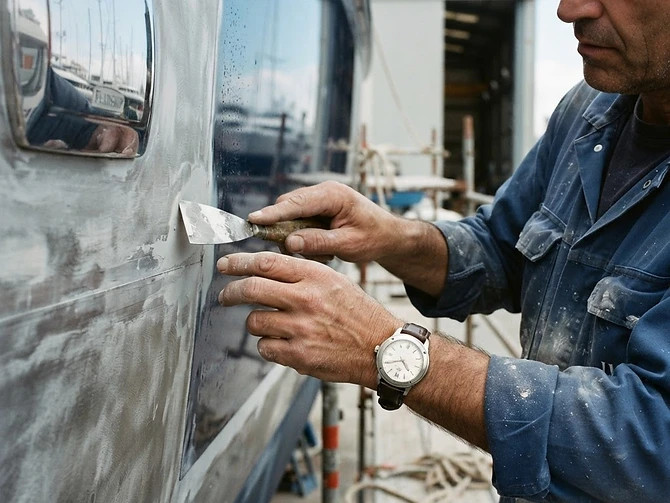
In the biting air of late November, the marina—so vibrant with the clatter of tenders and the smell of jasmine and salt during the humid weeks of August—falls into a profound, industrial slumber. For the crew, this is not a period of vacation, but a transition from the art of hospitality to the mechanics of preservation. High above the concrete floor of the shed, the yacht sits suspended, stripped of her summer finery. The hull, usually kissed by the Tyrrhenian swell, is now a dry, grey monolith, exposed in ways that reveal the sheer engineering prowess of her build. This is the moment when the ship is read not as a vessel of leisure, but as a masterpiece of naval architecture.
The Discipline of the Off-Season
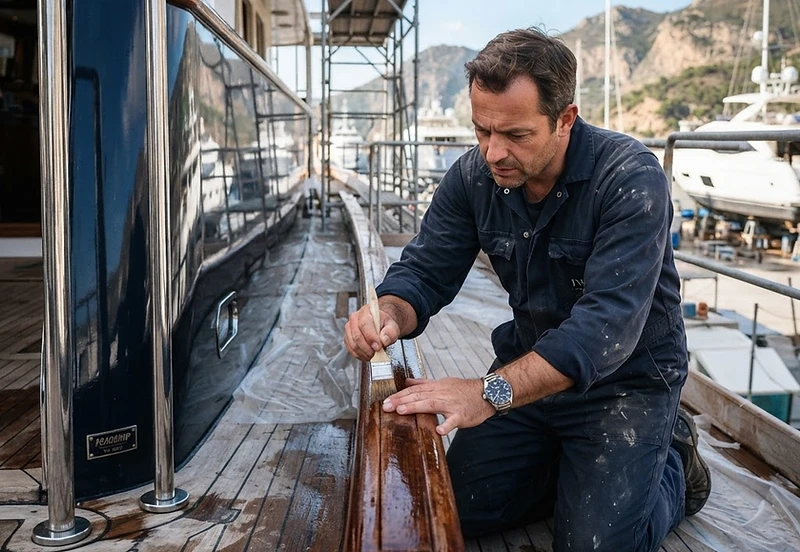
Life aboard remains tethered to the rhythm of the tide, even while static. While the interior designers map out new upholstery and the engineers strip the main propulsion systems for their five-year survey, the deck crew finds solace in the meticulous labor of maintenance. This is where the maritime lifestyle finds its most restrained expression: the morning briefing no longer concerns guest itineraries or the procurement of vintage champagne, but the careful application of teak oil and the diagnostic recalibration of the bridge instruments. There is a specific, quiet dignity in polishing a bronze cleat or tensioning a shroud in the cavernous silence of the shed. The crew navigates this period with the same precision they apply to a night navigation through the archipelago, ensuring that every wire and weld is perfected before the first spring cruise.
Chronometry in the Absence of the Sea
As the yacht undergoes its metamorphosis, the passage of time is marked not by the changing position of the sun over the stern, but by the relentless ticking of the crew’s daily tasks. In the galley, the chef might curate the cellar for the coming season, checking the maturation of the cellar's finest Bordeaux against the humidity levels maintained within the ship’s climate-controlled lockers. On the wrist of the captain, a GMT watch serves as a constant reminder of the world beyond the shed walls. In these dormant months, the timepiece is less a tool for tracking regatta starts and more a symbol of the steady, unwavering patience required to restore a sixty-metre vessel to her former glory. Each second accounted for is a promise kept to the sea, ensuring that when the slings are released and the yacht touches the water again, she does so with renewed vitality and grace.
As the paint dries and the final certifications are signed, the vessel begins to feel alive again, anticipating the return of the trade winds. The shed doors will eventually roll back, exposing the hull once more to the expansive blue, and the cycle of the sea will resume. It is a rebirth that honors the vessel’s endurance, proving that even in the stillness of winter, the spirit of the yacht remains tethered to the horizon.






