
The Geometry of the Beat
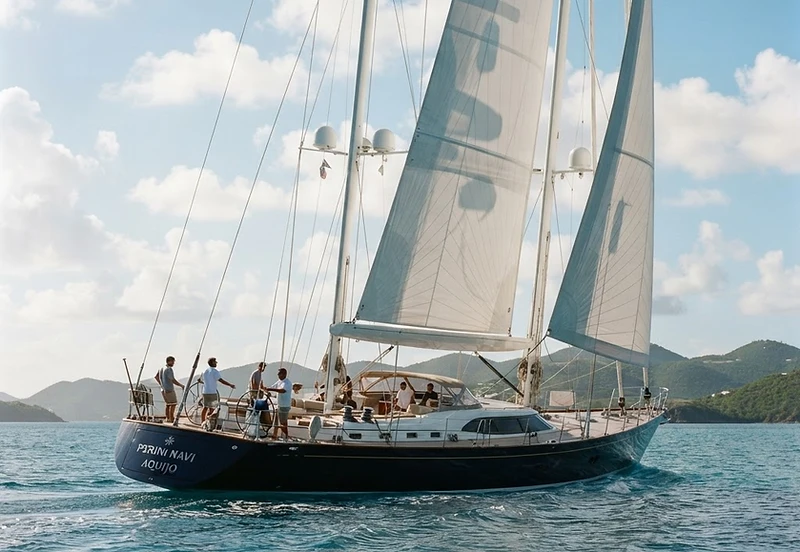
In the trade winds of the British Virgin Islands, a regatta is not merely a contest of speed; it is an exercise in applied physics. As the hulls slice through the azure of the Sir Francis Drake Channel, the interplay between sail trim and the lift of the keel creates a kinetic architecture that is as fleeting as it is precise. The crew moves with a synchronized fluidity, responding to the subtle shifts in wind pressure and the erratic pulses of the Caribbean swell. On a vessel such as a modern Nautor’s Swan, the deck becomes a stage for high-stakes coordination. Here, the yacht serves as a primary residence for the duration of the season, a floating home that demands constant attention to the balance of rigging, tension, and weight, reflecting an inherent discipline that transcends the sport itself.
The Synchronization of Seconds
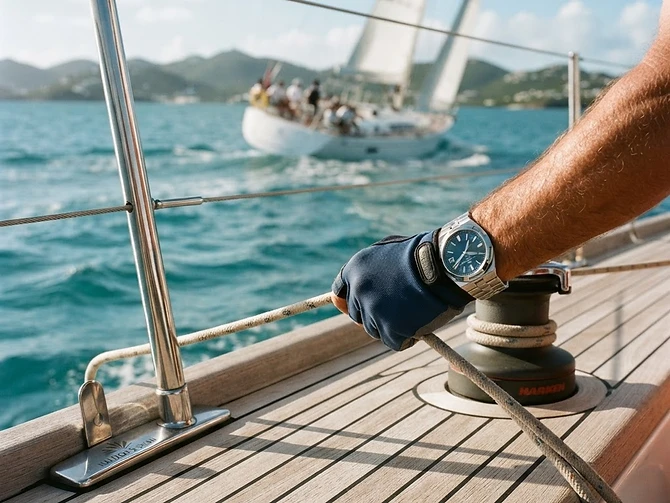
For the navigator, the race is defined by intervals. Aboard the flagship of our fleet, the captain relies on a refined mechanical chronograph, its internal escapement oscillating in sympathy with the sudden, sharp tension of the winches. This timepiece—a complex arrangement of springs, gears, and balances—acts as the heartbeat of the vessel, grounding the ephemeral nature of the trade winds in the absolute reality of measured time. Whether timing the precise approach to a starting line off Virgin Gorda or gauging the duration of a port tack, the instrument is the only piece of terrestrial order permitted on the cockpit sole. Its sapphire crystal catches the relentless Caribbean sun and reflects the spray of the bow, a sharp contrast to the salt-crusted teak of the cockpit. It serves as a reminder to the helmsman that while the ocean is inherently chaotic and the wind fickle, the management of the craft must remain exact. I remember looking at the chronograph during a particularly grueling beat toward The Baths; the rhythmic ticking seemed to harmonize with the metallic snap of the halyards against the mast, a heartbeat within the roar of the sea.
The Ritual of the Anchor
As the fleet rounds the final mark and makes its way into the shelter of a quiet bay, the frenetic energy of the day begins to dissipate. The transition from the adrenaline of the race to the stillness of the anchorage is a ritual known to all seasoned sailors. Once the anchor chain settles into the sand and the sails are flaked with practiced, repetitive motions, the yacht shifts from an instrument of tactical war to a sanctuary of repose. The evening is spent on the aft deck, where the mechanical precision of the morning gives way to the languid, restorative atmosphere of the twilight. We passed a chilled bottle of dry Riesling between us, the condensation leaving rings on the varnished mahogany table. The architecture of the port—the low-slung, white-washed villas climbing the hillside of Bitter End—frames the view, offering a stationary, grounded contrast to the day’s relentless motion. There is a profound sense of equilibrium found in this transition: a life dictated by the wind, punctuated by the clock, and finally, suspended in the stillness of the Caribbean night.
As the stars emerge over the masthead, piercing the velvet darkness, the intensity of the regatta fades into memory. There is nothing left but the gentle, rhythmic lap of water against the hull and the enduring, quiet satisfaction of a day measured well, both by the clock and by the spirit.






