
The morning light in the Bight of Norman Island does not so much break as it seeps, turning the water from a deep, pressurized charcoal into a translucent, shimmering turquoise. Our vessel, a 48-meter Perini Navi, sits static on her anchor chain, her aluminum hull feeling as substantial and deliberate as a cliff-side villa in Gustavia. From the aft deck, the silence is punctuated only by the low, insistent hum of the climate control and the distant, rhythmic slap of swell against the steel transition. There is a specific quality to the air at this hour—a blend of ozone, damp teak, and the faint, sweet scent of morning coffee brewed in the galley—that defines the transition from the restless night to the precision of a day at sea.
The Anatomy of the Survey
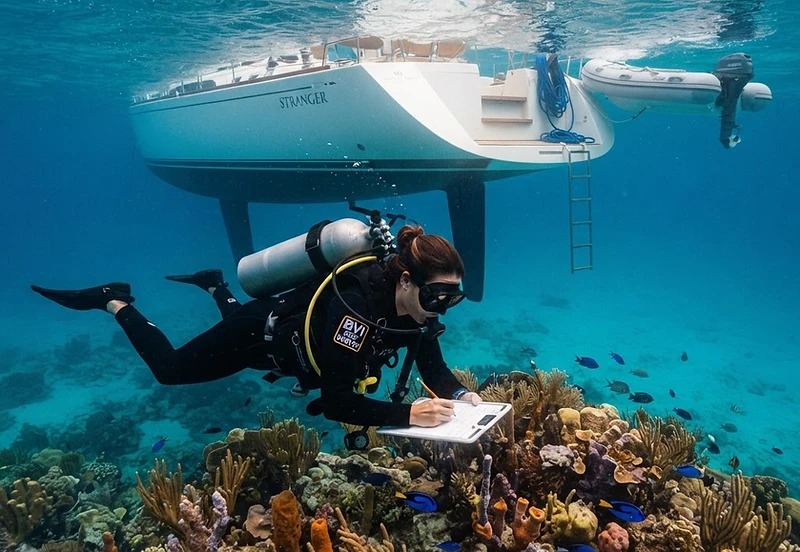
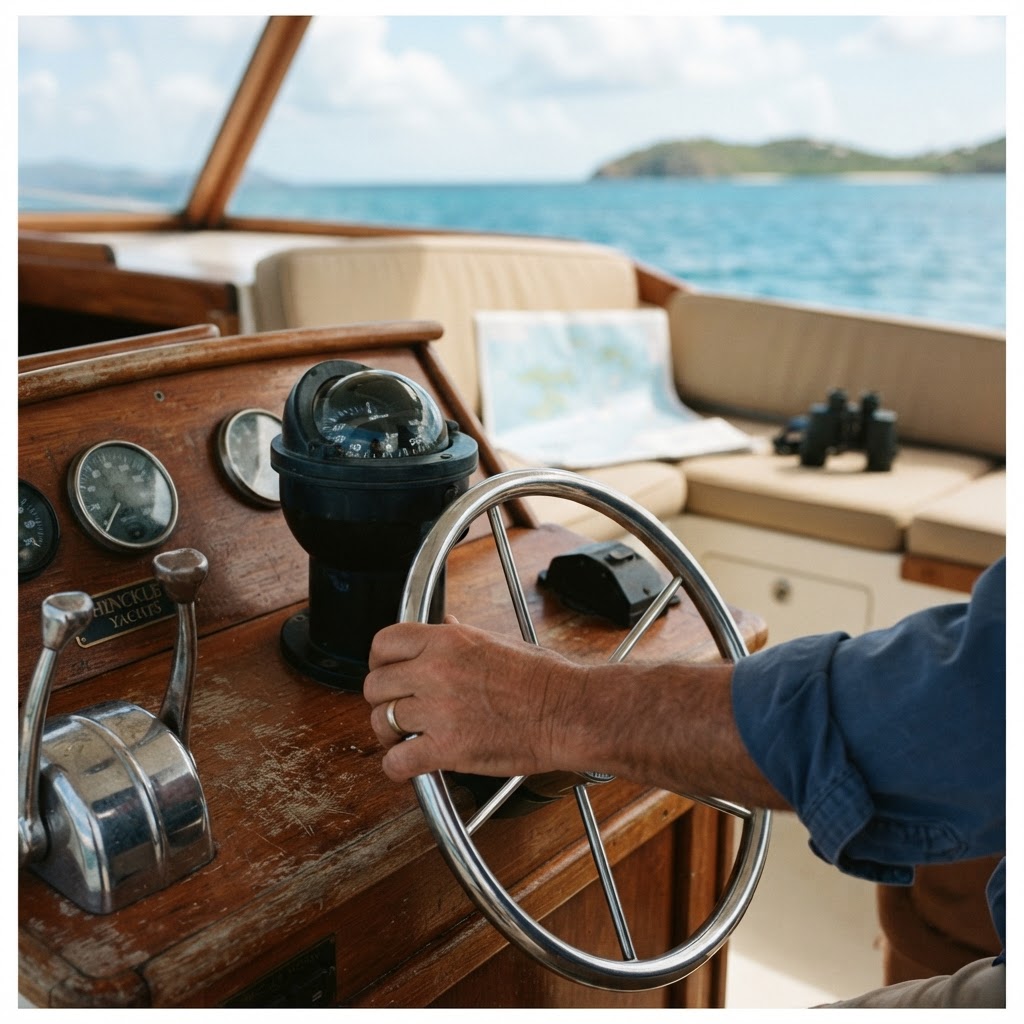
Stepping into the tender—a custom Hinckley Talaria—we navigate toward the outer reef, away from the sheltered comfort of the anchorage. The mission is technical: to survey the coral health within the Sir Francis Drake Channel. In the water, the world shifts from the predictable, manicured luxury of the sundeck to an environment of absolute, jagged architecture. Colonies of staghorn coral rise like the skeletons of forgotten buildings, their calcified spires a testament to decades of slow, geological labor. We are measuring the extent of bleaching, recording data on waterproof slates, but the primary sensation is one of intrusion into a structural masterpiece that predates the very concepts of hull design and naval architecture. One particular patch of brain coral, massive and labyrinthine, catches the light in a way that reminds me of the intricate joinery found in the yacht’s own interior.
The Return to Equilibrium
Returning to the yacht, the transition back to the surface is marked by a deliberate ritual. Before stepping onto the swim platform, the saltwater still heavy on my skin, I pause to acknowledge the contrast. The Hinckley’s engines throttle down to a low murmur, a mechanical purr that stands in sharp opposition to the absolute, crushing silence of the reef floor. Once back on board, the sensation of gravity returns with a vengeance. We shed our fins and masks, the familiar cadence of a well-drilled deck crew moving around us, stowing gear with a quiet efficiency that borders on choreography. It is here, in the exchange between the raw ocean and the refined order of the vessel, that the true rhythm of yachting reveals itself.
Lunch is served under the shade of the bridge deck: a simple plate of grilled mahi-mahi caught just off the shelf, seasoned only with local lime and cracked black pepper. The meal is served on fine bone china, the delicate weight of the plate in my hand a grounding reminder of the civilization we have brought with us into these wilder reaches. The heat of the Caribbean afternoon is absolute, yet under the bimini top, the breeze remains persistent and cool. It is a moment of suspended animation, where the data collected on the slates feels secondary to the sheer, tactile reality of the passage.
As evening falls, the wind veers, and the Perini Navi swings in a slow, graceful arc toward the harbor lights of Road Town. There is a profound symmetry in this life—the movement between the untamed structural complexity of the seabed and the refined, human-made order of the yacht. We are merely guests, observers who drift between the two, content to let the tide dictate our heading as the sun dips below the horizon, painting the wake in shades of bruised violet.






