
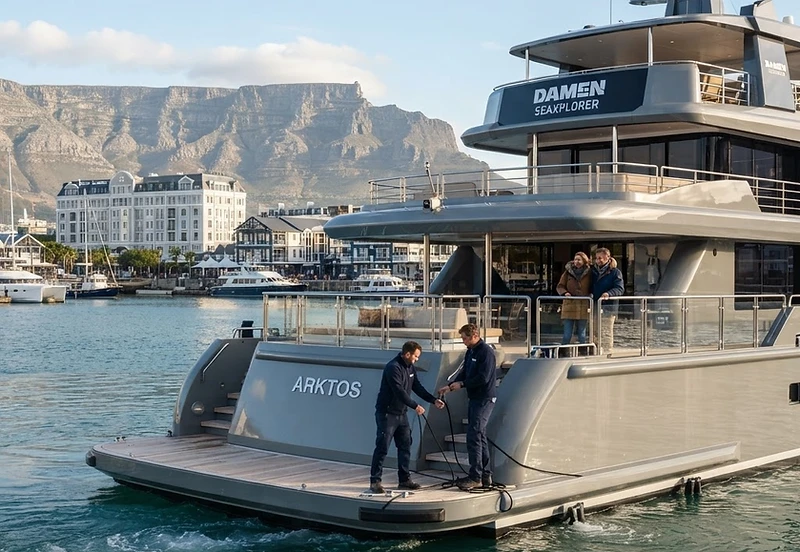
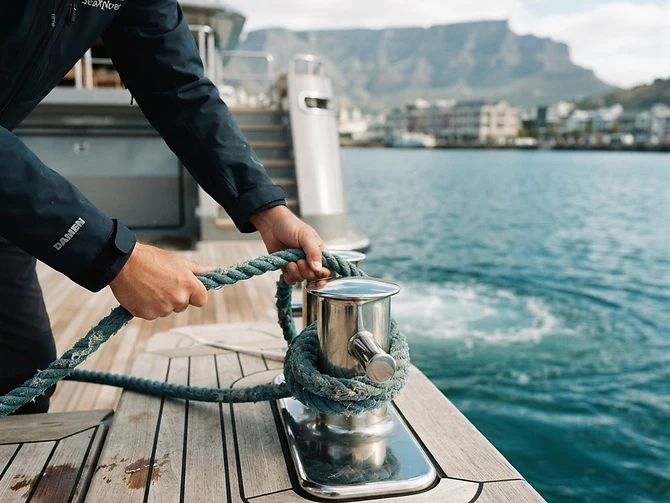
The V&A Waterfront in Cape Town is a place of perpetual motion, a sensory collage of grinding winches, the sharp tang of Atlantic salt, and the distant, melodic hum of the city. Yet, as our 75-meter Damen SeaXplorer cast off, the bustling energy of the Cape Peninsula began to dissolve into the deep, bruised indigo of the Southern Ocean. Navigating out past the breakwater, with the iconic silhouette of Table Mountain receding into a veil of morning mist, one is immediately struck by the deliberate, muscular capability of a vessel built for the extreme. There is a profound distinction between crossing an ocean and preparing to breach the ice, and the atmosphere on board shifted from the casual elegance of a harbor-side departure to the focused, quiet intensity of a high-latitude passage.
The Architecture of Remote Comfort
Life aboard a vessel designed for such latitudes is defined by a paradox: the more austere the exterior environment, the more essential the warmth of the interior becomes. As we cleared the Cape and set our heading due south, the ship’s interior, designed with clean lines and soft, tactile textiles, became our sanctuary. We spent the afternoon in the observation lounge, watching the bow slice through the heavy, rolling swells characteristic of the Roaring Forties. The design here is not about ostentation, but about connectivity—large, reinforced glass panels that bring the raw, grey majesty of the sea directly into the living space. The rhythm of the ship changed; the constant, low-frequency vibration of the engines became a companion, a reminder of the thousands of miles of open, untamed water separating us from the Antarctic Peninsula.
The Rituals of the Southern Watch
It is in the quiet, unscripted moments that the true character of a yachting expedition reveals itself. We found ourselves gravitating toward the aft deck as dusk settled, not for a formal occasion, but for the communal experience of the evening transition. Our chef prepared a simple, grounding meal—freshly caught snoek, seasoned with local citrus and herbs, served on ceramic plates that felt solid and honest against the movement of the deck. We ate in the shelter of the superstructure, listening to the wind howl through the rigging. There is no luxury in the high latitudes that surpasses the ability to be warm, fed, and entirely present. Whether we were adjusting the stabilizers to smooth out a particularly aggressive set of rollers or sharing a quiet conversation over a carafe of South African Pinotage from the Hemel-en-Aarde Valley, the experience was anchored in the discipline of the sea.
Toward the Silent Horizon
As we pushed further south, the light began to change, taking on a brittle, crystalline quality that felt older and more profound. We stood on the bridge with the captain, watching the sonar for the first signs of brash ice. The dialogue was professional and sparse, a dance of navigation that relied on both satellite precision and the weathered intuition of a mariner who has spent a lifetime in these waters. This is the essence of the yachting life at the edge of the map: the bridge is the brain, the hull is the shield, and the human rhythms—the morning coffee in the wheelhouse, the evening book in the library, the shared watch—are the soul. We were not merely moving through water; we were navigating toward a frontier where the sea demands absolute respect, and the vessel, in its quiet, unwavering grace, proved more than equal to the challenge.
As the final traces of the Cape’s terrestrial heat faded, we settled into the unique cadence of our southward trek. The Southern Ocean is a formidable master, but aboard a well-found ship, it remains a transformative theater for those who prioritize the journey over the destination.






