
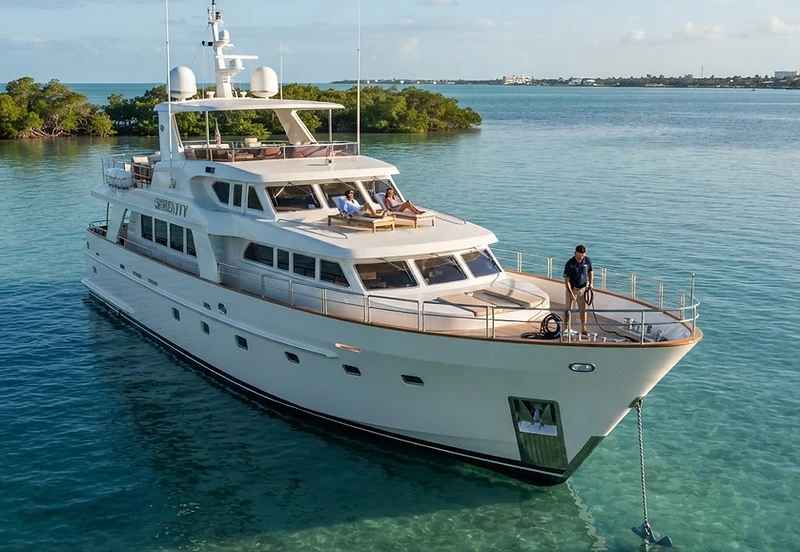
There is a specific, salt-heavy clarity to the air in the Florida Keys just as the sun begins to bleed behind the mangroves of the backcountry. As we bring our 45-meter displacement yacht toward the protected anchorages off Key West, the water shifts from a brilliant, translucent turquoise to a deep, cobalt indigo reflecting the first flickers of the island’s evening pulse. The density of movement here—the constant, rhythmic churn of center-console fishing vessels and the wake of high-speed catamarans bound for the Tortugas—is a stark contrast to the languid, silent drift of an open-sea passage across the Gulf Stream. Yet, in the quiet lee of the western keys, one finds a disciplined solitude, a maritime theatre that has played out daily since the age of sail.
The Logistics of a Low-Tide Anchorage
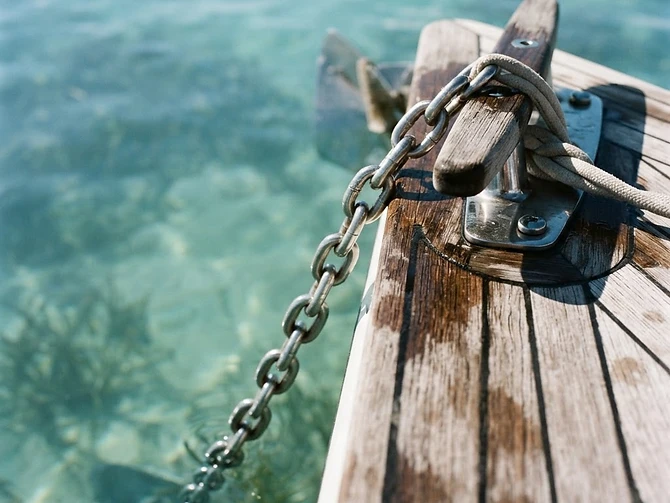
Securing a spot in the shadow of the historic Key West shoreline is a study in hydrographic precision. While the region offers scattered basins, the Florida Keys are defined by their treacherous limestone shallows, often requiring a draft of less than three meters to access the most secluded spots near Wisteria Island. We favor the transient moorings managed by the Key West Bight Marina; they are robust, iron-wrought setups capable of holding a vessel of significant displacement despite the localized tidal currents that can whip through the channels at over two knots. When we drop anchor, it is a ritual of absolute attention: the holding ground is a mix of turtle grass and coralline sand, necessitating a cautious scope to avoid fouling the gear. Keeping a watchful eye on the charts is essential, as the ferry lanes to the Dry Tortugas are narrow and unforgiving.
For the crew, the practicalities are managed with practiced efficiency. Power and water are best managed via the facilities at the Sunset Marina, though for a vessel of our size, we rely on our own internal desalination and power generation when anchored. Security is absolute; the vigilant presence of the local harbormaster and private dock security ensures that, despite the proximity to the bustling Duval Street, the vessel remains a sanctuary. Provisioning here is a delight for the galley; the local markets near the Historic Seaport offer stone crab and fresh snapper, delivered to the tender dock by suppliers who understand the exact window of a yacht's transit.
The Rhythm of the Evening Transit
Life aboard takes on a different cadence when the low-slung shoreline is your perimeter fence. Dinner is served on the aft deck, where the soft strum of a steel drum from a passing cruiser acts as a distant, atmospheric score. We keep the service restrained—a crisp, chilled local citrus-infused water or a light, dry aperitif—allowing the environmental heat and the coming sea breeze to dominate. The transition of light is the main event; as the sun dips into the Gulf, the anchorage transforms into a kaleidoscope of reflected violets and sharp, cooling golds. There is a specific thrill in watching the world rush by while anchored in a cradle of iron and current, knowing the engines are idling just enough to keep the systems at optimal readiness for an early morning passage to the Dry Tortugas.
By midnight, the anchorage breathes. The commercial traffic thins, replaced by the slow, rhythmic pulse of the tide against the hull. We sit on the bridge deck, watching the last of the local sportfishers return to their slips, their mast lights bobbing like errant stars. The island, modest and ancient, feels vast from this vantage point—a glittering, temporary companion to the quiet, immutable business of life at sea.






