
The Awakening of the Moorings
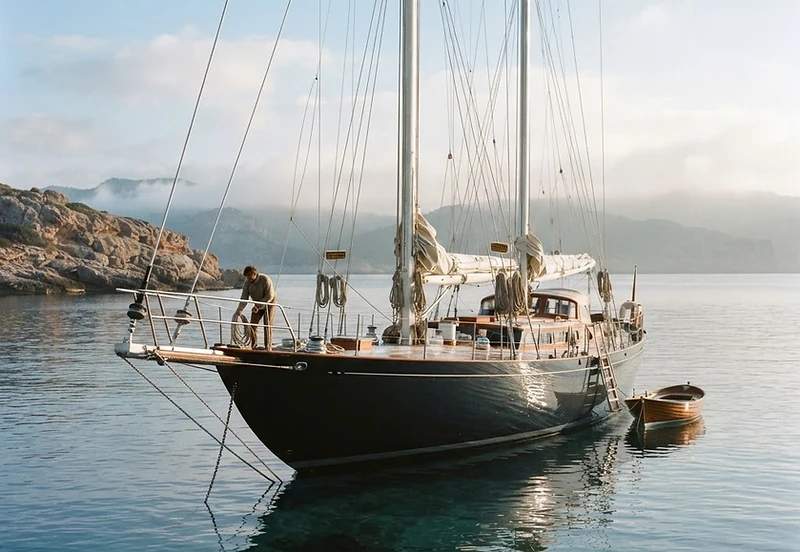
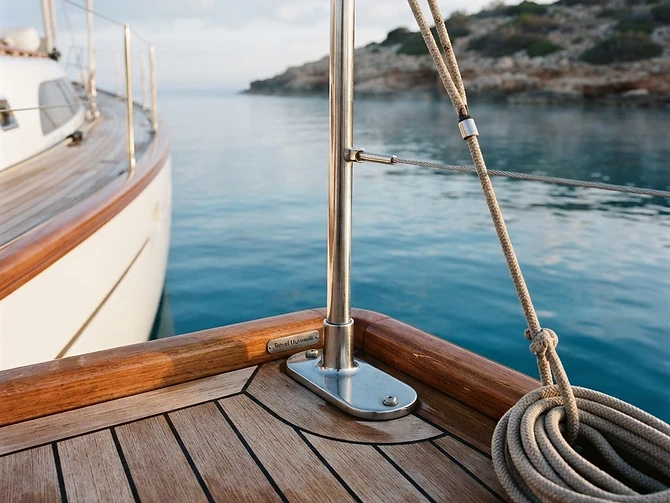
The transition from the winter lay-up in Palma to the first tentative anchoring of the season is rarely a matter of simple logistics; it is a sensory recalibration. Standing on the teak aft deck of the 45-meter Royal Huisman as we cleared the breakwater of the Real Club Náutico de Palma, the air carried that sharp, crystalline bite that only the early Balearic spring delivers. There is a specific silence that exists before the charter season hits its frantic stride—a stillness in the rigging, a temporary reprieve from the usual cacophony of idling tenders and the industrial hum of dockside equipment. The sea was an expanse of iron-grey glass, reflecting a low, pale sun as we charted a course toward the narrow, limestone-girded channel of Es Freus.
Life aboard during these inaugural days is a rhythmic dance of anticipation. The crew, having spent weeks in the shed meticulously polishing the brightwork and auditing the hydraulic integrity of the passerelle, moves with a renewed, quiet precision. Watching the deck team coil mooring lines with a practiced, surgical motion, one is reminded that a yacht of this caliber is not merely a vehicle for leisure; it is a mechanical organism that thrives on the discipline of its own maintenance. As we threaded the needle between the islets, the water abruptly turned that signature, startling turquoise—a hue so vivid it felt as though the Mediterranean were shedding its winter cloak specifically for our passage.
The Rituals of the Galley and the Gulf
Anchorages in the Balearics are a study in changing perspectives, dictated entirely by the whim of the Mistral. By mid-morning, we had settled into the lee of a hidden cove on the southern coast of Formentera. The ritual of breakfast on the bridge deck serves as the pivot point of the day. It is here that the true, understated character of a charter emerges—not through grand gestures, but in the deliberate, slow-motion pacing of service. The stewardess delivered a plate of locally sourced ensaïmada and fresh citrus, the fruit still cool from the refrigeration, served with a quiet, knowing nod that acknowledged the rare luxury of claiming the entire cove for ourselves. This is the singular prize of the season opener: the complete absence of the flotilla that will eventually occupy every available mooring ball from S’Espalmador to the cliffs of Cala Saona.
The afternoon was defined by the visceral shift of the water itself. Leaping from the hydraulic swim platform, the temperature provided a bracing, sharp shock—a necessary reminder that the sea is still shaking off its winter lethargy. We spent the hours drifting between the cool, dark shadow of the hull and the sun-drenched, pale sand shallows, listening to the rhythmic, hypnotic slap of water against the waterline. Conversation remained minimal; when one is anchored in a place as ancient and uncompromising as the Balearic coast, the elements command the space. We spoke briefly of the passage, of the subtle wind shifts felt near the Cabrera archipelago, and of the profound, tactile joy of having the deck underfoot once more.
As the sun dipped behind the jagged limestone crags, casting long, bruised shadows across the teak, the yacht swung slowly on her anchor chain, a rhythmic pendulum of comfort. The scent of brine mixed with the faint, warm drift of citrus zest escaping the galley. We were not merely traversing the water; we were being held by it. That evening, as the masthead anchor light flickered to life against the deepening violet of the sky, the true, quiet arc of the season felt finally established. There would be busier, more demanding weeks to follow, yet the memory of this first, solitary sunset in the lee of Formentera remained the internal benchmark for the months ahead.






