
The Quiet Wake of the Yasawas
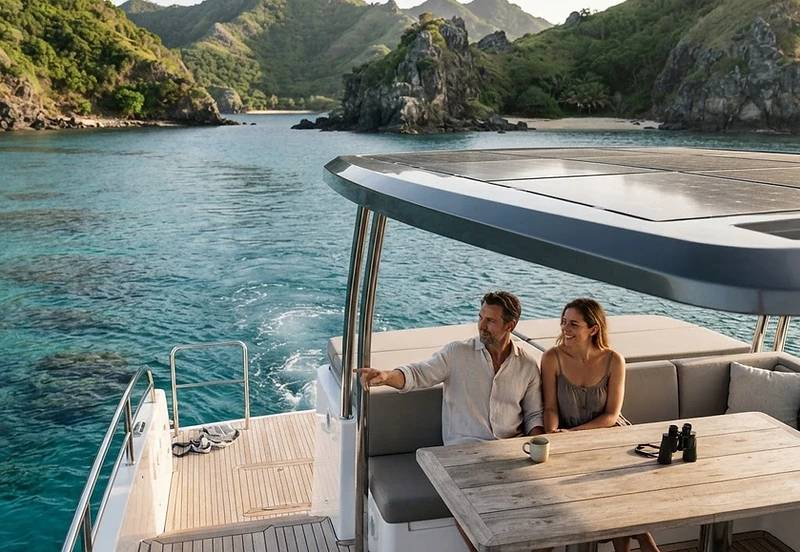
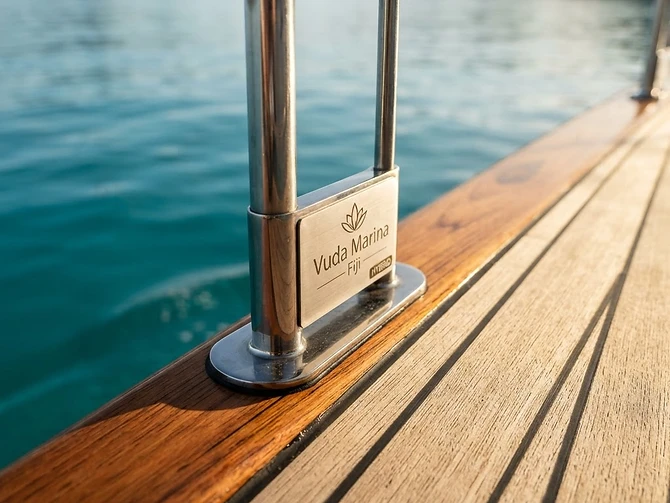
The transition from a high-output diesel hum to the near-total silence of electric propulsion is not merely a technical shift; it is a fundamental recalibration of the senses. As we slipped away from the berths at Vuda Marina, the composite hull of our vessel sliced through the South Pacific swell with a meditative efficiency that felt entirely new. To starboard, the jagged silhouettes of the Yasawa Islands emerged from the morning haze, a chain of ancient volcanic spires that have anchored the Fijian horizon for centuries. There is a specific, sharpened autonomy granted by this silent navigation, a feeling of being a transient observer rather than an intrusion upon the translucent, turquoise shallows.
We dropped anchor in the protected lee of Naviti, the water so incredibly clear it seemed to suspend the vessel in a vacuum of refracted blue light. The deck crew moved with a deliberate, practiced rhythm, the familiar rattle of the chain replaced by the softest of mechanical whispers as we settled into the holding. Without the constant, low-frequency vibration of idling machinery, the entire ship began to mirror the stillness of the anchorage, becoming a steel and composite extension of the quiet reef ecosystem itself.
Culinary Rhythms and the Morning Catch
Aboard, our daily rhythm is dictated by the market run, a ritual that anchors us firmly to local foodways. We steered the tender toward the shoreline of a coastal village, where the air was thick with the scent of damp earth, woodsmoke, and drying nets. Our chef, deeply invested in the local terroir, secured a haul of freshly landed ika mata—the reef fish firm, silver-skinned, and caught only an hour prior. This is the bedrock of Fijian maritime culture: the uncomplicated bounty of the sea, treated with the respect of a long-standing oral tradition. We stood on the warm sand, conversing with local fishers about the migratory patterns of wahoo and the specific, peppery intensity of native bird's eye chilies sourced from communal gardens.
Back in the galley, the transformation was clinical and reverent. The chef worked with precise movements, the fish flesh tossed with shredded green papaya and the rich, fat-heavy emulsion of hand-grated coconut. Served on the aft deck as the sun dipped toward the western ridge, the dish was a vivid expression of the archipelago, the acidity of local lime cutting through the creaminess of the coconut. There is a profound honesty in eating what the sea provided that morning, prepared with a discerning understanding of the island's botanical vocabulary—wild ginger, fragrant curry leaves, and sea salt harvested from the nearby shoals.
Anchored in the Blue
As the Southern Cross emerged, the yacht’s battery banks held the energy of the day’s sun, keeping our essential systems humming with a clean, invisible persistence. We sat on the sundeck, the only ambient noise the gentle, rhythmic lap of water against the swim platform and the distant, muffled drumming from the village ashore. Navigating this archipelago with such minimal disturbance feels like a correction of a long-standing imbalance. We are no longer just passing through these waters; we are moving within their frequency, tethered to the tide and the quiet, urgent pull of the island night. The engine room, once a chamber of cacophony, now stands as a sanctuary of cool, stored potential, leaving us drift-secure in the vast, shimmering expanse of the South Pacific, watching the moonlight trace silver lines across the dark, undulating water.






