
The Anatomy of the Deep Reach
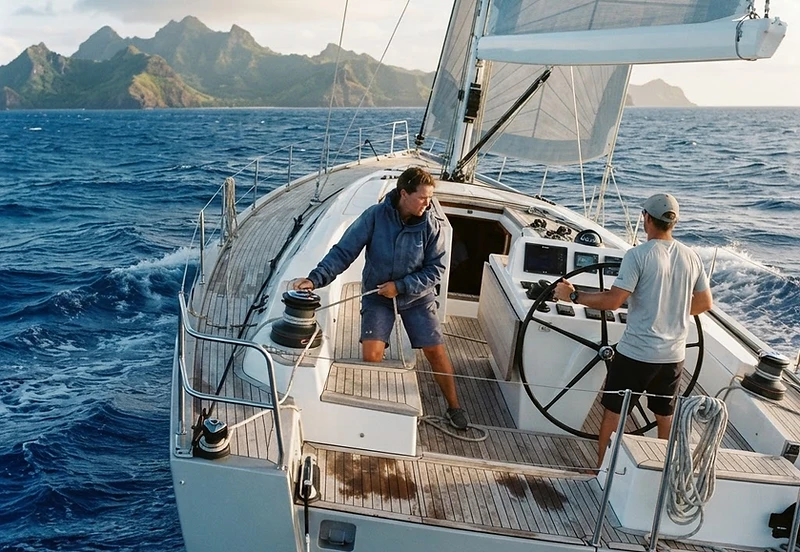
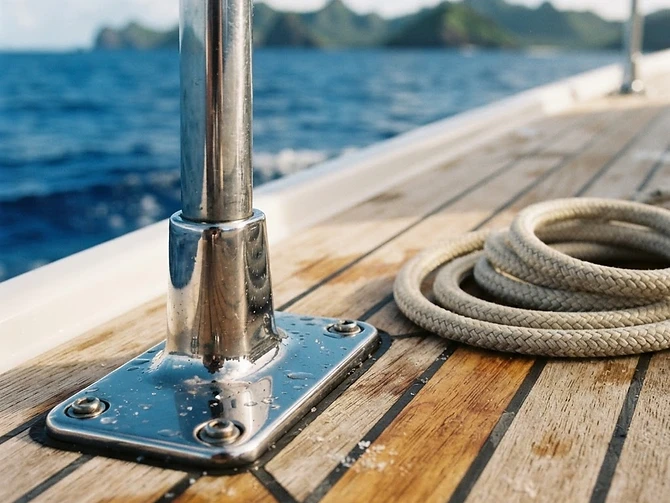
There is a singular, unhurried confidence in the way a Nautor’s Swan heels when the trade winds settle into a consistent fifteen-knot groove across the South Pacific. In the deep, sheltered cockpit of our vessel, the motion is not a struggle against the sea but a deliberate dialogue with it. To sit here, tucked low behind the sweeping coamings, is to feel the yacht move as a unified organism—the tension of the mainsheet vibrating against the weathered teak, the rudder finding its precise bite in the cobalt currents between the Yasawa Islands. Unlike the expansive, exposed decks of a modern multihull, this cockpit acts as a protective amphitheater for the passage, where the proximity to the waterline makes every subtle shift in the wind’s temperament feel immediate and tactile. We were making steady progress toward the southern tip of Waya Island, the hull carving a clean, persistent wake through water the color of a peacock’s wing, the sheer scale of the horizon demanding nothing but our full, quiet attention.
The Culinary Pulse of the Yasawas
Anchoring off the coast of Waya in the lee of the high, serrated volcanic cliffs, the transition from the kinetic energy of the reach to the stillness of the anchorage is anchored by the rituals of the galley. When we finally tucked into the shelter of the reef, our chef emerged with a ceramic bowl of kokoda—the quintessential Fijian dish—prepared using wahoo landed by a local fisherman just hours before we dropped the hook. The firm, translucent flesh was cured in the sharp, bright juice of hand-pressed limes and enriched with heavy, house-made coconut cream, the acidity providing a necessary, bracing counterpoint to the afternoon’s persistent heat. It was served alongside dalo, or taro root, roasted over an open flame until the exterior achieved a dark, caramelized char. In these waters, the culinary culture is rarely decorative; it is defined by the immediate providence of the local tide and the resilience of the island soil. Whether enjoying a simple spread of fire-roasted breadfruit or freshwater prawns harvested from the island's interior, the meal felt like an organic extension of our passage, a grounded conclusion to a day defined by the relentless pressure of the Southern trades.
The Quietude of the Pacific Dusk
As the sun dipped behind the volcanic spines of the Yasawas, the wind dropped to a phantom breath, leaving the sea glass-flat. In the cockpit, the atmosphere shifted from the technical focus of trimming and tensioning to the restorative rhythm of the evening. The whistle of the wind through the rigging was replaced by the distant, rhythmic percussion of the Pacific swell breaking against the outer barrier reef—a steady, pulsing thrum that seemed to synchronize with the slow, pendulous swing of the vessel on her anchor chain. We sat among cushions of heavy-weight, salt-bleached canvas, watching the sky transition through bruised violet and burnt ochre. There is a specific, quiet luxury found only in these moments of total detachment, where the only objective is to exist in the lee of a remote headland, watching the stars resolve into sharp, unblinking points of light above the masthead. As the anchor light flickered to life, the sea became a dark, obsidian mirror, swallowing the last of the day’s turbulence and leaving us in a silence so profound that it felt, in every sense, like a destination in itself.






