
The Geometry of Autonomy
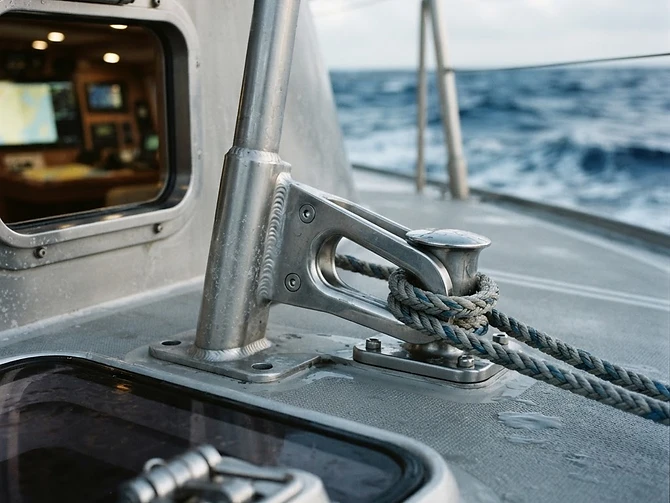
In the quiet calibration of a modern explorer vessel, form does not merely follow function; it follows the horizon. Where traditional superyachts once favored the aggressive, aerodynamic profile of a predatory dart, today's vanguard explorers—like the formidable vessels emerging from the Damen Yachting or Feadship sheds—embrace a more stoic, utilitarian elegance. The naval architecture of these craft is defined by deep-keel stability and reinforced steel hulls, designed not to dominate the waves, but to carve through them with a rhythmic, predictable grace. It is a fundamental transition from the vanity of sheer speed to the profound luxury of self-sufficiency. In this light, the ability to remain at anchor in a remote fjord in the Lofoten Islands for weeks at a time, entirely independent of port infrastructure, has become the ultimate hallmark of prestige.
The Architecture of Silence
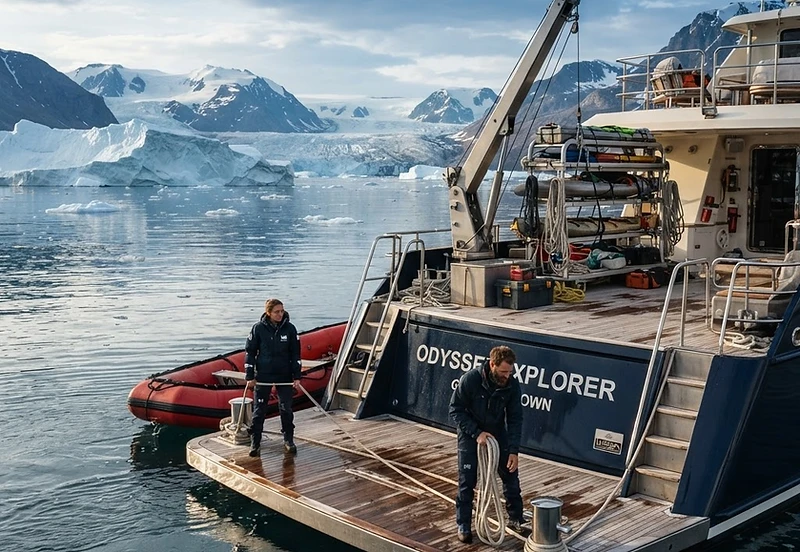
At the core of the contemporary explorer experience is an almost spiritual obsession with acoustic dampening. As these vessels push into the profound silence of the Arctic Circle or the untapped, turquoise basins of the South Pacific, the mechanical intrusion of the engine room is increasingly viewed as an unwelcome disruption to the landscape. Naval architects are now utilizing advanced resilient mounting systems and structural decoupling to isolate low-frequency vibration, effectively turning the vessel into a mobile, meditative sanctuary. I remember a morning off the coast of Greenland, sitting on the aft deck of a 50-meter explorer as we slipped between monolithic icebergs; the only sound was the distant, rhythmic crack of shifting ice and the soft ripple of water against the hull.
True maritime autonomy is found when the human senses are no longer tethered to the pulse of the engine.This marriage of heavy-duty, commercial-grade engineering and monastic quietude is the defining paradox of the category: the stronger the boat, the less it should be heard.
Humanity in the Wild
There is a delicate, fascinating tension in designing an interior that must reconcile the rugged exterior of an expedition ship with the refined expectations of a modern owner. These interiors are moving away from the high-gloss lacquers of the Mediterranean fleet in favor of tactile honesty. Modern explorers utilize modular deck configurations, allowing the vessel to pivot from a logistics-heavy research platform—deploying deep-sea tenders or submersibles—to an oasis of comfort in a single tide. The aesthetic centers on natural, enduring materials: weathered teak, hand-brushed stone, and matte-finished leathers that feel as though they have been weathered by the sea itself. One finds that in the salt-sprayed light of the southern oceans, a cold glass of fresh ginger infusion tastes better when standing on a deck that feels tethered to the earth rather than merely floating above it. By grounding the interior design in the textures of the wild, the architecture encourages a symbiotic relationship between the guest and the uncharted terrain visible just beyond the bulkhead.
Ultimately, the explorer vessel represents a profound shift in maritime philosophy. It is a return to the roots of exploration, albeit one facilitated by the most sophisticated computational fluid dynamics and satellite-integrated logistics the industry has ever seen. The modern owner is not seeking a retreat from the world, but a more intimate, unmediated connection to it, secure in the knowledge that their vessel is as formidable as it is refined. It is an invitation to go further, stay longer, and listen closer to the ocean’s enduring song.






