

The Architecture of the Descent
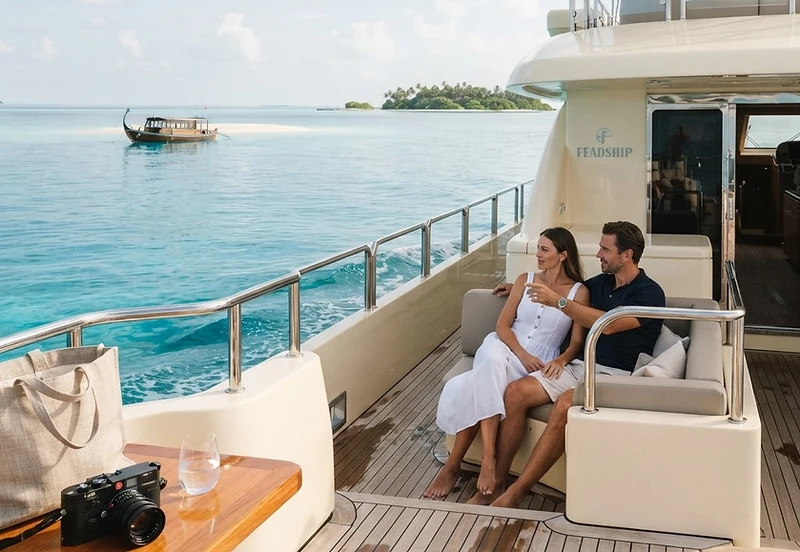
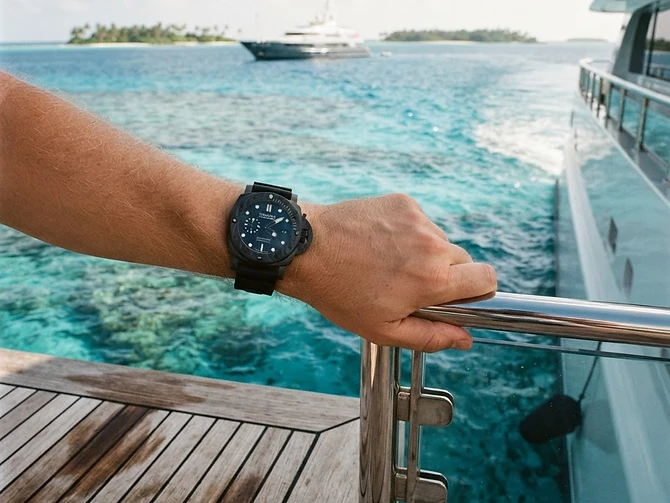
In the Maldivian archipelago, the transition from the surface to the sub-surface is not merely a change in medium; it is an entry into a distinct state of grace. When a vessel like the M/Y Vertigo drops anchor in the lee of a remote, unmapped reef in the Baa Atoll, the yacht shifts from a mode of transit to a refined base of operations. The water here is preternaturally clear, possessing a structural quality that refracts light into geometric patterns upon the sandy benthos, some twenty meters below. As one slips over the teak gunwale, the hum of the stabilizers and the soft vibration of the generator evaporate, replaced by the rhythmic, deliberate cadence of the breath. It is a sensory surrender, where the vast, azure emptiness of the open ocean is traded for the intricate, crowded architecture of the reef.
The Living Cathedral
To dive among these atolls is to navigate a landscape that defies the static constraints of terrestrial design. Coral formations rise like spires of an organic, calcified gothic, providing a sanctuary for a vibrant, untethered population. I remember hovering near a particularly complex outcrop of staghorn coral; a school of fusiliers moved in a perfect, synchronized cloud, their scales flashing like shards of polished chrome in the dappled sunlight. There is a specific, quiet rigor to the movement required in such environments—an exercise in controlled buoyancy that mirrors the stillness we seek in our own architectural spaces.
There is a profound humility in drifting through a reef, observing the slow, patient construction of a world that has been assembling itself for millennia without human intervention.In this liquid realm, the yacht serves as a necessary, if humble, threshold, a bridge between the atmosphere of the horizon and the profound, shifting expanse below.
The Geometry of the Return
As the sun begins its descent, casting long, ochre shadows across the stern, the return to the deck feels like a homecoming to a more ordered, albeit temporary, reality. I recall the feeling of the warm, salt-crusted air against my skin as I climbed the stainless steel ladder, the smell of damp neoprene mixing with the faint scent of roasting garlic emanating from the galley. The transition back to the surface is a process of decompression, both physiological and intellectual. It is in these twilight hours, with the light failing and the horizon blurring into an intense, bruised indigo, that the true purpose of the expedition reveals itself. We sat on the aft deck, the water behind us now a flat, ink-black mirror, reflecting the first emergence of the Southern Cross. It is not about the conquest of the deep, but the reclamation of a quiet, internal geometry—a reminder that the most significant spaces are often those that exist beneath the line of sight. Ultimately, the luxury of the expedition lies in this capacity for total immersion. To return from the depths is to bring back a measure of that oceanic stillness, a calm that persists long after the anchors are weighed and the vessel makes for the open blue, moving toward the next uncharted horizon.






