
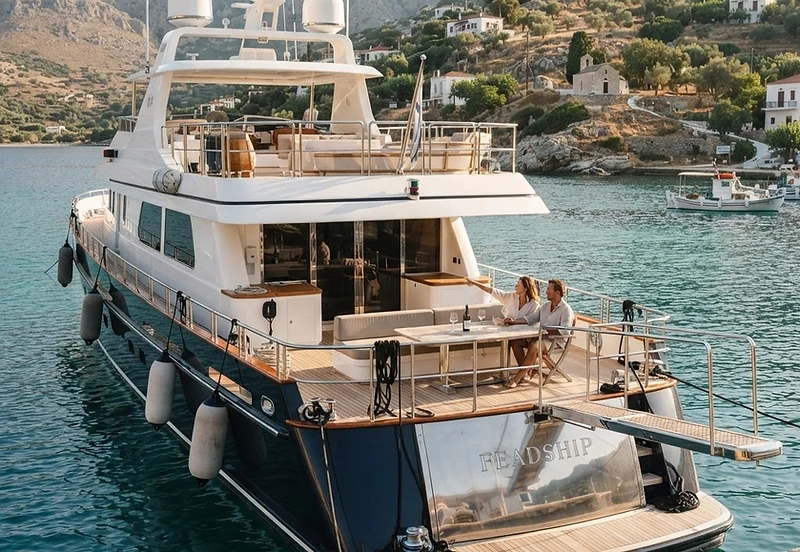
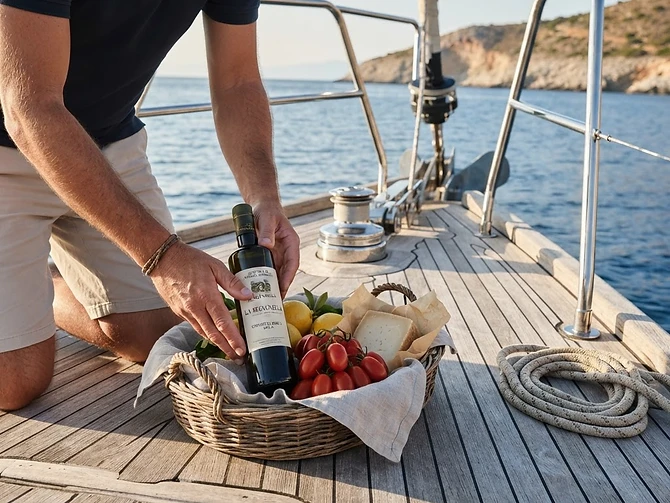
To dine at sea is to engage in a delicate dance with isolation and logistics. Beyond the polished teak decks and the serene veneer of the galley lies a complex, invisible network of supply chains, refrigeration cycles, and expert curation that ensures the voyage remains an exercise in epicurean indulgence. Provisioning for a long-range crossing on a vessel like an Amels 60 is less an errand and more an architectural act of foresight; it requires a deep understanding of shelf-life, climate impact, and the nuanced preferences of those on board, far beyond the reach of the nearest marina.
The Architecture of the Galley
The modern superyacht galley is a marvel of ergonomic efficiency, often rivaling the most precise professional kitchens in metropolitan centers. However, the constraints are entirely different. Space is finite, and the vessel's movement necessitates a rigorous discipline in stowage. Stability is paramount, not just for the crew working the line, but for the integrity of the ingredients themselves. Advanced humidity-controlled chambers and vibration-dampened cooling systems serve as the bedrock of onboard freshness, allowing the chef to maintain the character of delicate greens and artisanal cheeses against the corrosive, saline reality of the ocean.
I recall a morning off the coast of Sardinia, the light striking the water with such intensity it felt like liquid silver. The galley team was preparing for a crossing to the Balearics. There was a quiet intensity as they checked the vacuum-sealed containers, verifying the provenance of wild sea bass sourced from a local fisherman in Porto Cervo. The air inside the galley was cool, smelling faintly of toasted sourdough and sea salt. It is in these moments of preparation, when the yacht is poised to leave the familiar comfort of the coastline, that the true mastery of the chef reveals itself—a focus that is both technical and deeply intuitive.
Curating the Horizon
Beyond the hardware, the true art lies in the selection. The most discerning owners prioritize hyper-local sourcing, coordinating with providores at each port of call to secure the finest regional output—a heritage olive oil from the Peloponnese, or a specific cut of grass-fed beef from the hills of Tuscany. The menu must be as mobile as the ship itself, reflecting the geography of the current anchorage. It is a philosophy of 'culinary transit' where the provenance of the plate mirrors the coordinates of the vessel, creating a seamless narrative between the landscape outside the porthole and the experience at the table. Even when anchored in the remote Ionian, the arrival of a tender laden with fresh herbs and citrus brings a tangible sense of arrival to the day’s main course.
The essence of luxury is the ability to sustain the highest standards of art and nourishment in places where such things are traditionally considered impossible.
Ultimately, the successful galley operates on a synthesis of meticulous preparation and spontaneous creativity. When the anchor drops in a secluded cove—perhaps under the limestone cliffs of Bonifacio—the ability to produce a meal of uncompromising quality is not merely a service; it is the ultimate expression of the yachting lifestyle. It is a quiet, resolute victory of human design over the vast, indifferent expanse of the blue, ensuring that no matter the distance from shore, the table remains the vibrant heart of the voyage.






