
The Architecture of Autonomy
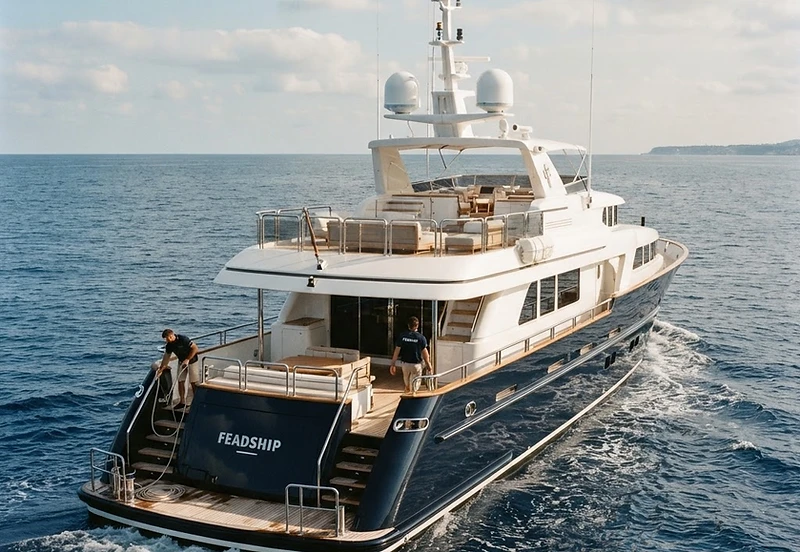
To commission an explorer vessel is to engage in a profound dialogue with geography. Unlike the coastal elegance of a traditional Mediterranean motor yacht, the explorer is a study in calculated endurance. The naval architecture here eschews the ornamental in favor of a structural vernacular that prioritizes stability, autonomy, and the ability to negotiate high-latitude variables. It is a vessel designed not merely to traverse water, but to provide a consistent, quiet shelter against the volatility of the deep ocean. When standing on the aft deck of a Damen SeaXplorer, one does not feel the frantic pulse of a harbor city, but rather the measured, rhythmic heave of the open Atlantic. There is a specific stillness found in such a craft, a deliberate separation from the tether of the mainland.
The Geometry of Resilience
At the core of the modern explorer lies a disciplined hull geometry. By utilizing a plumb bow—a design choice that extends the waterline to improve fuel efficiency and pitch stability—architects create a platform that cuts through swell rather than riding over it. Hydrodynamic efficiency is the primary mandate; internal spaces are configured to protect the vessel's center of gravity, ensuring that the interior experience remains composed even when the external environment is at its most demanding. I recall a crossing off the coast of Patagonia, where the grey-green water rose in immense, glassy hills. Inside, the vessel’s stabilizers engaged with a quiet, pneumatic hum; we were drinking tea at the bridge console, watching the radar track the solitude of our path, while the sea state outside was reduced to a distant, inconsequential backdrop. Balance is not merely a technical requirement here; it is the fundamental aesthetic of the ship.
Refinement Under Pressure
True luxury in the remote reaches is found in the absence of noise and the unwavering reliability of the vessel's systems.
The interior architecture of these vessels reflects a shift toward monastic utility. Surfaces are chosen for their durability, yet rendered with an acute sensitivity to light and texture. It is a sophisticated, restrained existence; the tactile pleasure of sand-blasted oak and matte-finished brushed steel feels more honest than the high-gloss veneers of typical coastal craft. As the vessel pushes into uncharted waters—perhaps finding an anchorage near the jagged, silent fjords of Greenland—the cabin becomes an observatory, a place where the architecture serves only to frame the vastness of the horizon. One afternoon, while anchored off the coast of Disko Island, the silence was so profound that the only sound was the occasional groan of the hull as it settled into the frigid current. It was a stark reminder that luxury is not found in excess, but in the capability to arrive anywhere, entirely uncompromised.
Ultimately, the explorer vessel serves as a mobile sanctuary. It is a triumph of purpose-built design that allows the owner to trade the crowded noise of the world for the curated, engineered peace of the deep sea. To live aboard such a vessel is to inhabit a machine that respects the raw power of the ocean, offering a sanctuary that is as resilient as it is refined.






