
The Architecture of Volumetric Restraint
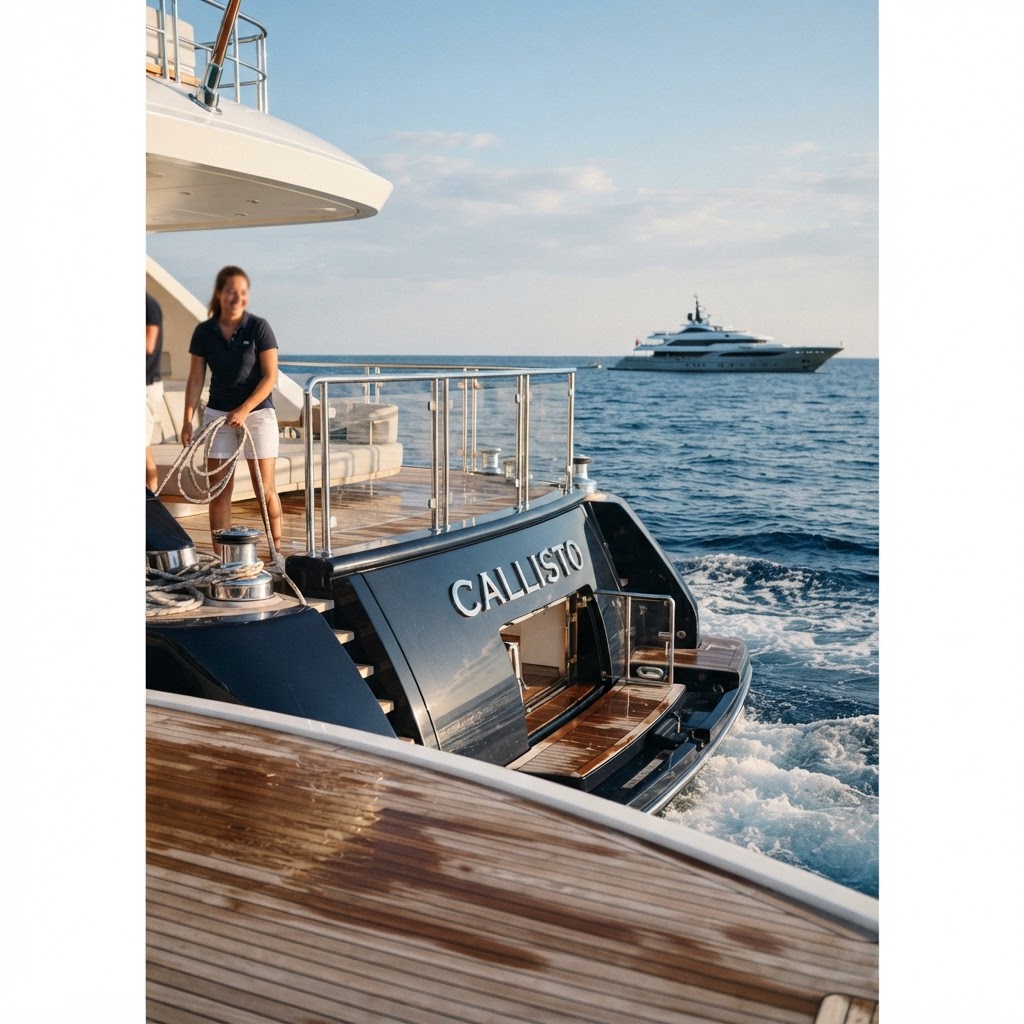
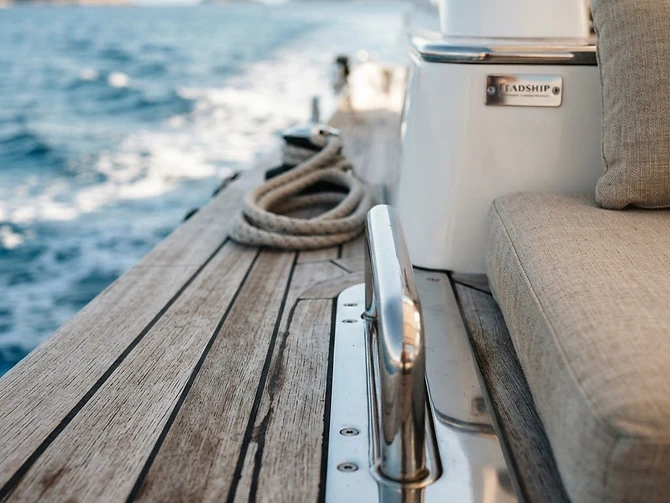
To design the interior of a sixty-metre motor yacht is to engage in a rigorous, high-stakes negotiation with space and movement. At this specific scale—a length that occupies the sweet spot between manageable intimacy and true long-range capability—a vessel is neither so compact that every square inch must be purely functional, nor so cavernous that it loses its sense of inherent refuge. The challenge, and indeed the art, lies in establishing a rhythm that transitions seamlessly from the social exposure of the aft deck, where the salt air greets you, to the sequestered serenity of the owner’s suite. On a recent passage from Monaco toward the Aeolian Islands, I sat on the aft deck of a sixty-metre vessel, watching the play of the afternoon sun against the varnished teak. The most compelling designs, such as those emanating from the studios of Feadship or Abeking & Rasmussen, utilize a restrained, almost monastic palette—matte-finished walnut, brushed nickel, and tactile linens. These materials do not compete with the panoramic theater of the surrounding Mediterranean; they act as a silent frame for it.
Defining Thresholds Through Light and Sight
In the contemporary naval aesthetic, the traditional compartmentalization of a yacht is increasingly being discarded in favor of fluid, sightline-driven layouts. By aligning the main salon with the exterior transition points, architects can create a visual axis that stretches from the interior bulkhead to the distant horizon. Transparency has become the primary structural material. When floor-to-ceiling glazing is handled with precision—as seen in the seamless transitions of modern Benetti builds—the demarcation between the interior lounge and the open deck dissolves, effectively doubling the perceived volume of the living space without adding a single millimetre to the beam. During an anchorage in Panarea, the light in the salon shifted with the turning of the tide; the interior seemed to breathe, inhaling the deep azure of the Tyrrhenian Sea and exhaling a cooling, soft-edged comfort that rendered the separation between machine and nature entirely academic.
The true luxury of a sixty-metre vessel is not found in the ornamentation of the surfaces, but in the clarity of the circulation and the deliberate framing of the light.
The Geometry of Intimate Scale
Perhaps the most subtle triumph in current naval architecture is the deliberate treatment of the private quarters. Amidst the grandeur of a sixty-metre footprint, the owner’s suite demands a return to human-centric proportions. It is here that one realizes that true scale is felt, not measured. I recall a morning spent in such a suite, where the low-profile cabinetry, recessed cove lighting, and the soft, neutral weave of wool carpeting created a cocoon-like quality. The goal is to anchor the dweller, grounding them against the constant, quiet kinetic energy of the hull moving through the swell. Through the use of bespoke millwork that follows the gentle curvature of the hull, the space feels integrated rather than imposed. One feels a sense of quietude while having a coffee, listening to the muffled, rhythmic thrum of the stabilizers. It is a space that honors the vessel’s identity as both a high-performance machine and a profound sanctuary of stillness, a place where the ego of the designer is secondary to the peace of the inhabitant.
As we look toward the future of naval design, it is evident that the most resonant vessels are those that prioritize the architectural experience over the decorative impulse. By respecting the inherent constraints of the maritime environment, designers are crafting spaces that do not merely float upon the water, but exist in constant dialogue with it. They offer a rarefied form of luxury where the primary amenity is the elegant preservation of silence and the space to simply exist, unhurried, amidst the tides.






