
The Architecture of Waiting
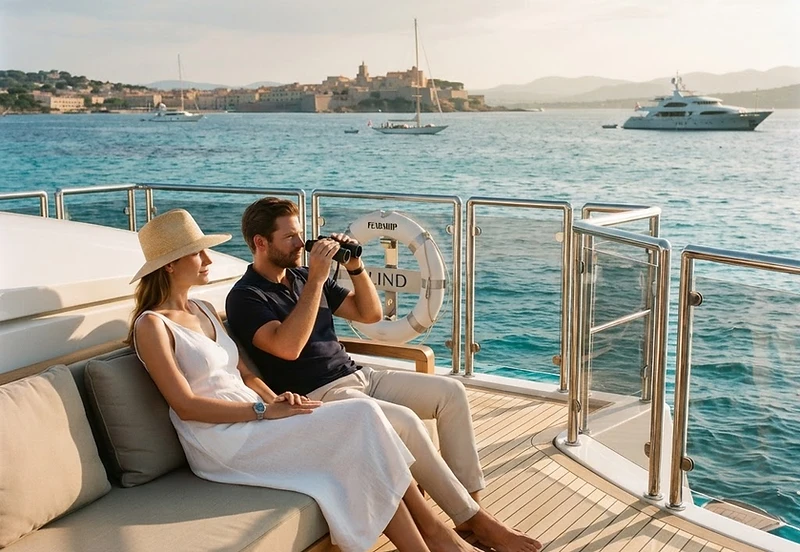
In the late afternoon, the Gulf of Saint-Tropez assumes a quality of light that renders even the most imposing steel hulls into silhouettes of grace. A motor yacht lying at anchor here is not merely a vessel; it is a detached island of human-made geometry, held in place against the rhythmic insistence of the Mediterranean. From the vantage of the shore, the silhouette is clean, an exercise in horizontal discipline that cuts against the verdant, rugged incline of the Provençal coast. To sit on the sundeck of a craft like a custom Benetti is to engage in a masterclass of containment, where the surrounding chaos of the high season is effectively muted by a mile of deep, cobalt water.
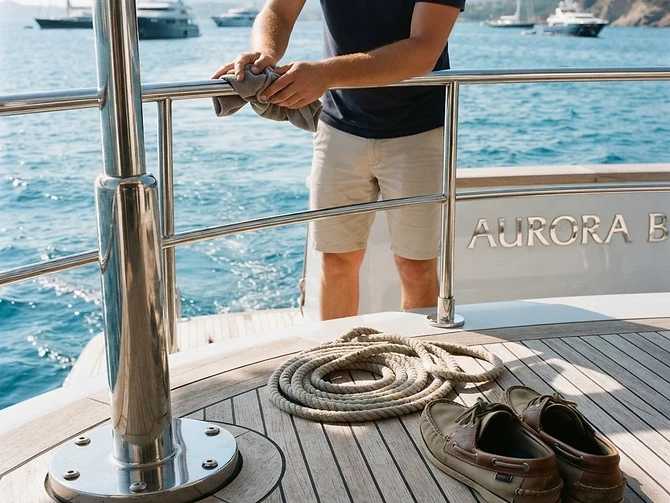
There is a specific stillness to a yacht when the engines have been silenced, a silence so profound it seems to vibrate against the skin. On deck, the hand-laid teak becomes a warm, resonant floor, and the stainless steel railings trace lines of precision that guide the eye toward the horizon. This is the art of the anchor: a momentary suspension of transit, where the primary objective shifts from speed to the cultivation of the surrounding space. One finds oneself observing the minute adjustments of the fender lines, the way the wind catches the edges of the linen upholstery, and the deliberate dance of the galley staff preparing the evening's first service of chilled melon soup and fresh crustacean.
Refracted Living
The interior of such a craft, when viewed from the water, suggests an inward-facing luxury. Large, frameless glass apertures reflect the shifting blues of the sea, effectively camouflaging the vessel within its own environment. Inside, the design language is one of restrained materials—bleached oak, brushed nickel, and raw linen—that serve to anchor the inhabitant, providing a sense of grounding even as the sea maintains its gentle, subterranean heave. I recall standing in the saloon of a Feadship anchored off Les Salins, watching the light fracture against a polished stone tabletop. The effect was hypnotic, as if the very geology of the coast had been brought aboard to steady the soul.
The true luxury of the open sea is not the distance covered, but the ability to define one’s own horizon in absolute, quiet solitude.
Life aboard, when anchored, is dictated by the subtle rotation of the vessel around its chain. Every hour brings a new orientation to the sun and the village, turning the yacht into a slowly revolving observatory. The experience is one of intense focus; away from the sensory clutter of the harbor, the architecture of the boat becomes a frame through which the singular beauty of the Côte d'Azur is experienced anew. One feels the shift in the breeze, a cool whisper descending from the Maures mountains, signaling the transition from the heat of the day to the velvet anticipation of the evening.
The Departure of Light
As dusk settles, the transition is almost tectonic. The ambient glow from the salons begins to bleed outward, turning the water immediately beneath the hull into a shimmering, illuminated stage. The yacht remains fixed, a lighthouse of personal retreat, while the rest of the world rushes toward the cacophony of the port at Saint-Tropez. You can hear the distant hum of the tenders heading toward Le Sénéquier, but from here, the distance is absolute. In this fleeting hour, the vessel is at its most potent—a sculptural testament to the beauty of staying still, a private sanctuary etched in steel against the vast, darkening canvas of the sea.






