
The Convergence of Hull and Hearth
Stepping off a custom carbon-fiber tender onto the weathered pier of a converted boathouse in the heart of the Norwegian fjords, one is struck by the deliberate continuity of design. The structure, originally a utilitarian shell for maintaining local fishing craft, has been recalibrated as a private sanctuary for the modern yachtsman. Inside, the joinery—executed in the same blonde-oak and recessed marine-ply found in the finest Dutch-built sailing sloops—creates a seamless transition between the sea and the living space. The architecture does not merely overlook the water; it is inextricably linked to the rhythm of the tide, with the living room floorboards sitting mere inches above the rising salt water, effectively acting as an extension of the yacht’s aft deck. At dawn, the air carries the sharp, clean scent of crushed granite and brine, a reminder that while the world outside is ancient and immense, the threshold of this sanctuary is measured in knots and beam-width.
Navigating the Vertical Landscape
Living in this fjord requires the same spatial discipline one maintains on a blue-water passage. The boathouse is organized with a yacht-like efficiency, where every utility, from the blackened steel fireplace to the integrated cabinetry, follows the logic of restricted, purposeful space. During the long summer evenings, as the sun lingers near the horizon, casting a bruised, honeyed light across the granite cliffs, the interior lighting is adjusted to match the warm, low-intensity glow of a yacht’s evening salon. It is here that the transition from day-sail to domestic repose is most pronounced. One finds that the ritual of checking the barometer, common to the bridge of any explorer vessel, is echoed in the quiet observation of the wind shifting down the mountain passes. The conversation invariably turns to the following day’s transit—whether the conditions demand a coastal cruise toward the open Atlantic or a stationary day spent sheltering behind the sheer granite walls of the inlet, watching the mist dance across the surface.
The Rhythm of the Mooring
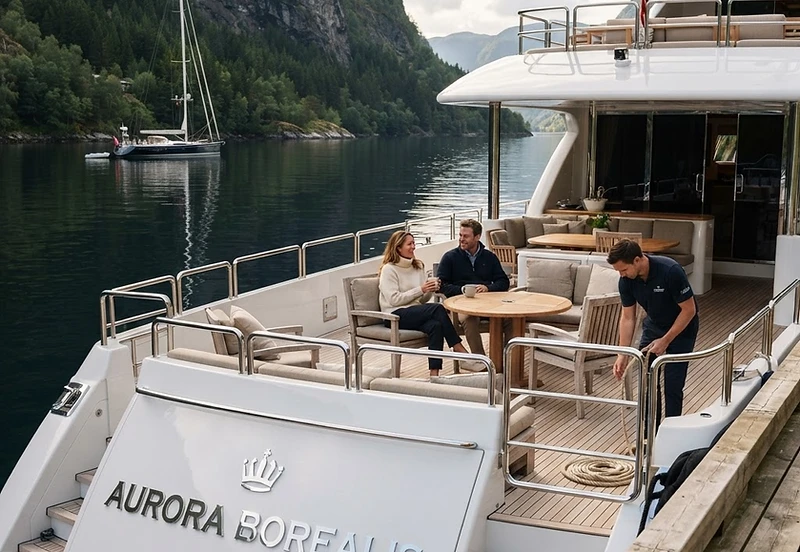
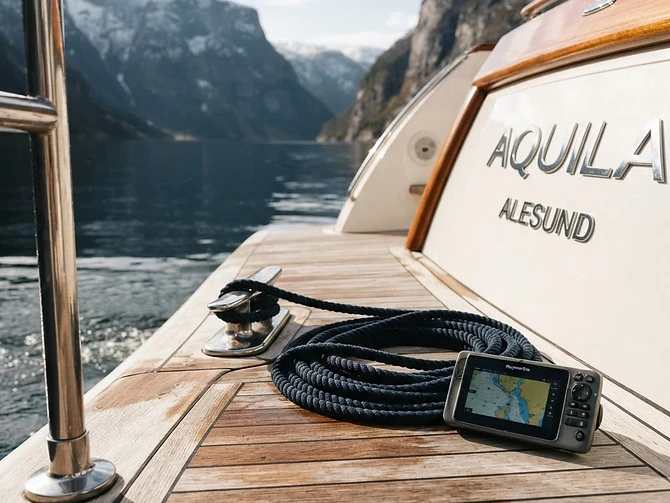
In this isolated landscape, time is measured with a specific kind of gravity. While the yacht rests at its mooring, kept secure by oversized stainless steel cleats that groan softly against the surging swell, life aboard the shore-bound structure is governed by the same meticulous precision required for celestial navigation. There is an intimate joy in the sound of a well-rigged line snapping against a mast, or the distant, rhythmic thrum of a passing trawler. One morning, over a simple breakfast of rye crispbread and cloudberry preserves, I watched the captain adjust the fenders on a 60-foot cruiser, her movements as economical as a surgeon’s. It is a reminder that the finest residences on the water are, in their essence, merely more permanent manifestations of the ships that brought us here. The boathouse, like a well-appointed superyacht, exists only to serve the sailor’s need for both movement and absolute, structured stillness. As the tide recedes, leaving the barnacles exposed on the pilings, one feels the profound satisfaction of being anchored in a place that respects the sea’s inherent volatility.
As the light fades entirely, the boathouse becomes a lantern against the dark, imposing mass of the mountains. Whether we set sail at first light to track the coastline toward Bergen or choose to remain in this sheltered cove, the connection remains unbroken. The sea provides the challenge, the yacht provides the vessel, and the architecture provides the long-sought calm of a harbour well-earned.






