
The mist in Somes Sound is a cold, silver shroud that dampens the sound of the world until only the rhythmic slap of water against the hull remains. Here, tucked into a quiet cove near Mount Desert Island, our 112-foot Hinckley sits at anchor like a poised instrument, a masterpiece of American naval architecture waiting for the wind to turn. The guests have long since departed for their flights from Bangor, leaving behind a silence that is, for those of us remaining, the most luxurious commodity of all. This is the liminal space of yachting: the forty-eight-hour reset where the vessel transitions from a vibrant stage for others' leisure into a workspace of profound, meditative discipline. It is a time when the yacht stops being a theater and begins to breathe again as a ship.
The Geometry of the Morning Watch
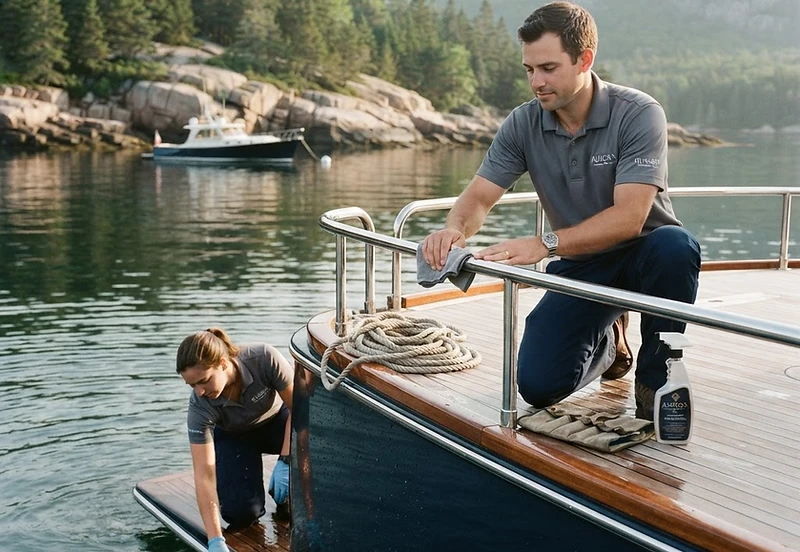
Maintenance on a yacht of this caliber is a form of kinetic architecture. As the sun begins to bleed through the spruce trees lining the shore, the deck team begins the ritual of cleaning the teak. It is not mere labor; it is the curation of the vessel’s living skin. I watch from the bridge as the bosun moves with a calculated grace, the long-handled brush working in smooth, overlapping arcs that follow the natural grain of the wood. We use only fresh water and the lightest touch, acutely mindful that this deck has crossed the Atlantic and felt the biting, abrasive salt of the North Atlantic more times than we have years in our own lives. Every scuff is an affront to the ship’s dignity, every salt crystal a catalyst for decay that we are honor-bound to forestall. It is in these dawn hours, before the heat of the day, that the yacht feels most like a living entity, its systems humming in a soft, low-frequency vibration that signals health and readiness.
Refining the Internal Horizon
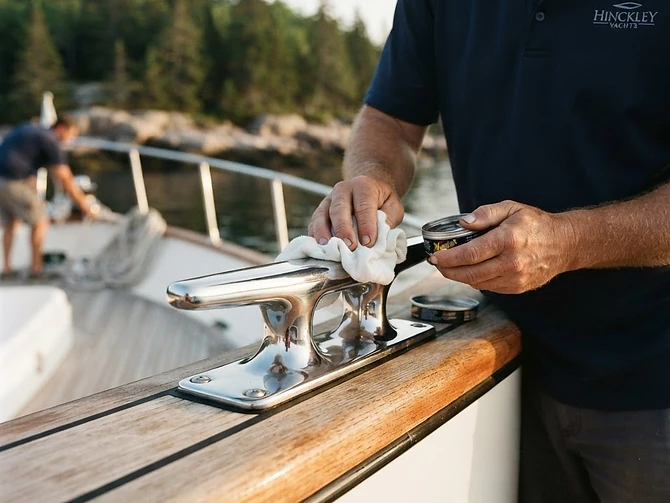
Below decks, the interior team shifts their focus to the finer details of the guest quarters. The air below smells faintly of beeswax, cedar, and the sharp, ionized ozone of the sea outside. My primary task this morning involves the careful inventory of the galley provisions and the salon’s soft goods, ensuring the upholstery is pristine and the navigation station is reset for the next leg toward Bar Harbor. I move through the staterooms with a singular focus, tightening a loose drawer pull and checking the gimbaled lamps. In these spaces, where book-matched mahogany meets polished brass fittings, time is not merely marked—it is managed. We inspect the hinges, polish the bulkhead lights, and ensure that every element of the yacht’s interior design remains in perfect alignment with the vessel’s original naval intent. When the yacht is at rest in a place as iconic as Maine, she is a static, serene home; when she is underway, she must be a fortress of stability, and our work today ensures that duality remains undisturbed.
By late afternoon, the crew gathers in the crew mess for a quick meal—a simple, buttery lobster roll sourced from a local harbor shack, tasted with the lingering salt of the morning’s work still sharp on our skin. There is little talk, only the shared, silent understanding that we are the stewards of this moving house. As the fog rolls back in, swallowing the jagged headlands of Acadia and muffling the distant chime of a buoy, we prepare for the next leg of the journey. The guests will return, bringing with them the noise, the motion, and the sudden requirements of luxury, but for now, the yacht belongs only to the sea and the steady, quiet work of those who keep her honest.






