
The Swedish Baltic is a landscape defined by its stubborn, ice-scoured silence. We were anchored deep within the Stockholm archipelago, tucked into a narrow reach near Sandhamn, where the granite shoals rise from the dark water like the backs of sleeping leviathans. Aboard our Nautor’s Swan 90, the evening had surrendered to a thick, cooling fog that muted the world, turning the teak-laid deck into an island within an island. There is a profound distinction between the frantic energy of the Mediterranean summer and the melancholic, crystalline clarity of a Baltic autumn, where the water takes on the color of polished slate and the wind carries the scent of distant pines and cold stone.
The Architecture of Sound
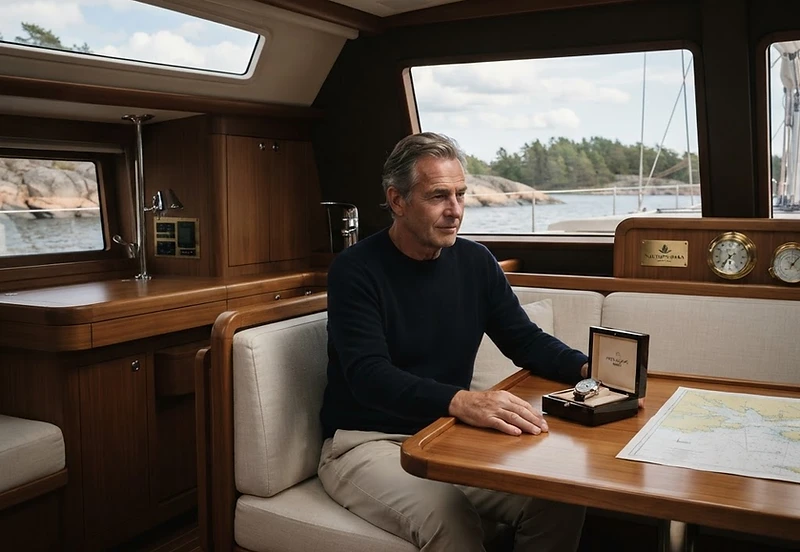
Stepping into the saloon, I felt the immediate shift in scale. The interior, crafted with the minimalist rigor of Finnish and Swedish nautical design, felt less like a cabin and more like a floating sanctuary. The polished teak grain seemed to absorb the dim ambient light, providing the perfect acoustic stage for a moment of quiet reflection. Outside, the rigging of the Swan hummed a low, tensioned song against the mast, a reminder that even at anchor, a vessel of this caliber is alive, constantly adjusting to the subtle shifts in the current. I sat at the mahogany table, listening to the rhythmic lap of water against the hull—a sound that has defined generations of passage-making.
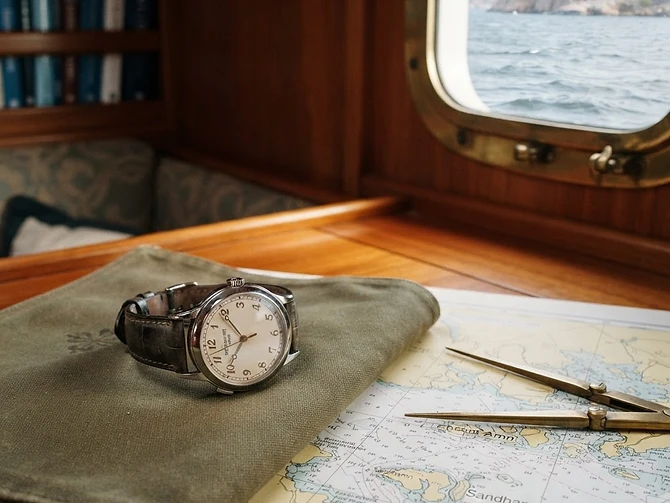
When the light began to fail, I turned my attention to the interior atmosphere. The cabin was a study in restraint: hidden LED strips cast a soft, warm glow that emphasized the precision of the joinery. We had spent the day navigating the narrow channels that snake through the thousands of islets between Utö and Sandhamn, a task that demands total focus on depth sounders and paper charts despite the modern suite of electronics. In the silence of the Baltic, the mechanical life of the boat—the faint click of a solenoid, the gentle gurgle of the bilge pump, the groan of a dock line—felt remarkably deliberate. It was a human-made rhythm mimicking the slow, tidal heartbeat of the archipelago outside, reminding me that life aboard is an exercise in synchronization with the sea.
A Study in Stillness
Dinner was an unhurried affair, centered on locally sourced chanterelles sautéed with fresh herbs, served on the aft deck where the lingering dusk provided enough light to navigate the plates. We watched the radar screen, a ghostly green sweep that showed nothing but the unwavering geometry of the surrounding islets and a solitary fishing cutter miles to the north. This was not a night for the bustling, social docks of Vaxholm or the frantic activity of a marina; it was a night for observing the mechanics of existence, both nautical and human, within the architecture of a hull built to endure the North Sea’s unpredictable moods.
There is a specific gravitas to being moored in a place so indifferent to the ticking of human clocks. As the temperature dropped, we moved inside, wrapping ourselves in heavy wool throws as the heater ticked quietly in the background. The stillness was absolute, broken only by the occasional cry of a seabird circling the masthead. To sail these waters is to accept the insignificance of one's own pace compared to the geological age of the surrounding granite. Sitting there, with the fog pressing against the cabin glass, one realizes that the true luxury of a yacht like the Swan is not found in its speed or its finish, but in its ability to grant you a front-row seat to the slow, heavy breathing of the world.






