
The Slipstream Beneath the Keel
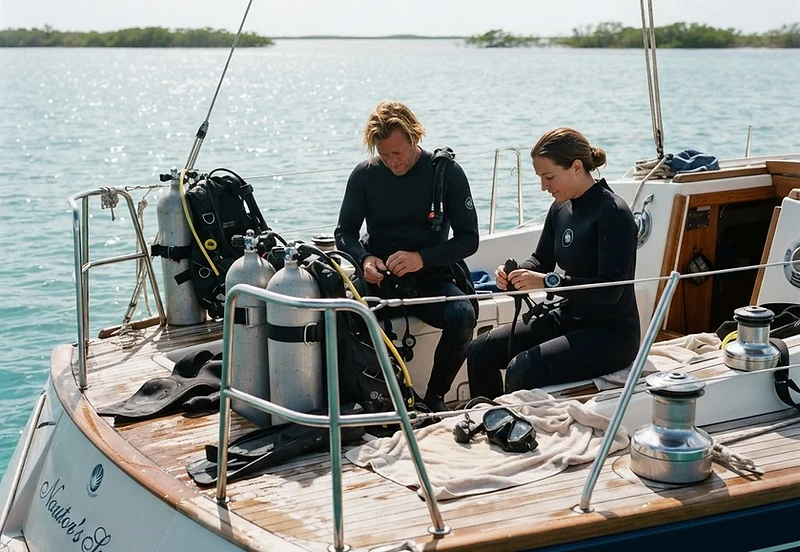
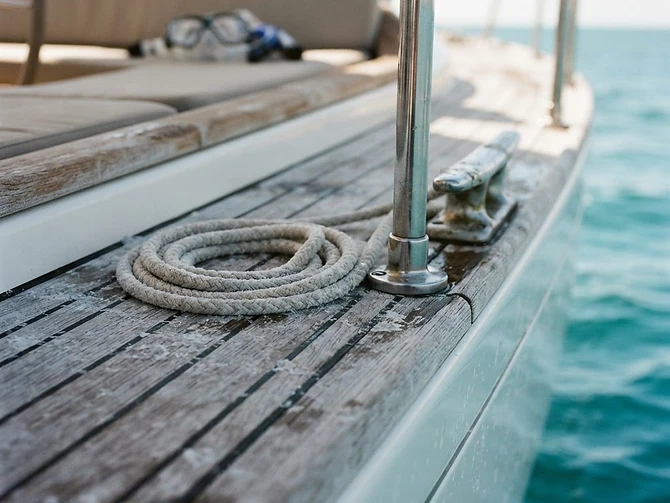
The tide through the channels of the Marquesas Keys moves with a deceptive, muscular grace, a silent force that governs everything within the archipelago. Anchored in the protective sandy shallows, our 78-foot Nautor’s Swan holds steady, her white hull vibrating slightly as the Atlantic pushes west toward the distant, unseen geometry of the Dry Tortugas. We slide off the transom and into the water, letting the current take us along a deep-water wall where the reef life congregates in vibrant, dizzying clusters. There is a specific, metallic clarity to the water here, a sharp, crystalline contrast to the tea-colored run-off often found nearer the mainland. We drift in silence, watching the shadows of the reef move beneath us, tethered to the surface only by the distant, rhythmic slap of waves against the boat’s teak toerail. The world above ceases to exist the moment one descends; here, one is merely another element of the current.
The Geometry of the Surface Interval
Returning to the deck is a study in controlled, elegant transition. As the ladder is deployed, the inherent rhythm of the yacht asserts itself with immediate authority. Towels, warmed by the mid-morning sun and perfectly dry, are waiting on the aft lounge, and the air smells of brine and the light, clean citrus of a freshly prepared snapper ceviche served on chilled porcelain. On a vessel designed by the master naval architect German Frers, every inch of space has a deliberate, calculated purpose; the transition from the fluid, weightless chaos of the dive to the structured, polished ease of the cockpit feels entirely seamless. We discard our masks and fins, settling into the shade of the bimini. The deck crew moves with a quiet, practiced precision—an unspoken choreography of sail and service—resetting the gear, meticulously securing lines, and ensuring that the physical exertion of the morning remains sequestered from the sanctuary of the vessel's primary living spaces.
Midday Rhythms in the Straits
The conversation over lunch is low, punctuated only by the subtle creak of standing rigging and the occasional gust rattling the canvas. There is no urgency to weigh anchor; the Marquesas offer an isolation that is increasingly rare in our modern age, a place where the water depth dictates the schedule more than any rigid itinerary. We watch the light shift across the surface, the shallow turquoise turning to a deep, brooding cobalt indigo as the sun climbs to its zenith. The deck is not merely a platform for transit; it is the stage for a deliberate, meditative pause. I recall the feeling of a damp chamois on my shoulders, the cooling relief of the breeze, and the steady, reassuring ping of the depth sounder—a mechanical heartbeat that reminds us we are held securely by our own chain.
As the afternoon wanes, the anchor chain begins to pull taut against the mounting tide, a signal that the Marquesas have yielded their peace. We ready the yacht for the run toward Fort Jefferson, the transition from the underwater stillness to the wind-swept reality of the channel feeling, as always, like a return to an old, familiar friend.






