
The Geometry of the Morning Tide
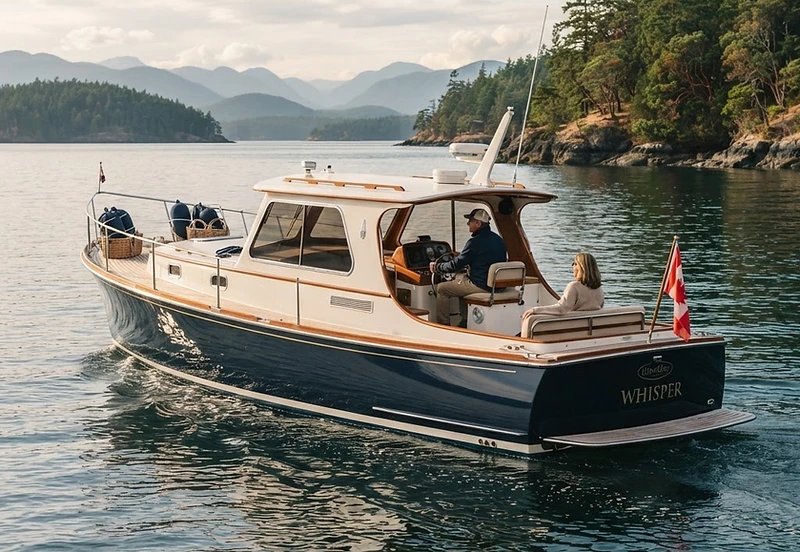
The morning mist in Friday Harbor clings to the rigging of the Hinckley Talaria 55, a damp, cool blanket that muffles the distant bark of seals and the rhythmic clinking of halyards against masts. There is a specific cadence to waking up on the water in the San Juan Islands; it is not the frantic start of a city morning, but a slow recalibration to the state of the tide. We take our coffee on the aft deck, watching the water shift from steel-grey to a translucent, frigid emerald. The smell is constant—a sharp, bracing mix of salt spray, wet cedar, and the faint, sweet scent of pine needles drifting from the shore. This is the rhythm of the charter: an immersion in the physical world where the boat serves as both vessel and observation deck.
Tactical Shifts and Island Shelter
Steering north toward Sucia Island, the navigation requires a vigilant eye on the charts. The currents here, churning through the labyrinthine channels between the San Juans and the Canadian Gulf Islands, are deceptively powerful. We navigate the Talaria with a steady hand, feeling the hull slice through the choppy convergence zones where the Pacific swell meets the inland sheltered waters. Life aboard dictates a fluid schedule. By noon, we are anchored in a quiet, horseshoe-shaped cove on the northern tip of Sucia, the silence broken only by the occasional cry of a bald eagle circling the hemlocks. Lunch is simple: fresh Dungeness crab pulled from local pots, served on a weathered teak table that has seen its fair share of sunshine and storm. The interior of the vessel, with its impeccable joinery and cool, sand-toned fabrics, offers a sanctuary from the occasional gust of wind that funnels down from the forested slopes.
The Ritual of the Evening Anchorage
As the days bleed into weeks, the transition from the bustling harbour at Friday Harbor to the isolated reaches of Pender Island becomes our anchor. Evenings are dedicated to the ritual of the sunset, a moment where the vessel is oriented to catch the dying light as it paints the sky in shades of bruised plum and burning orange. We find ourselves drawn to the galley, where the chef prepares a light meal of locally sourced greens and seared wild salmon, the steam rising into the cooling evening air. Conversation often drifts toward the mechanics of the journey—the way the boat behaves in a following sea, or the navigational precision required to tuck into the shallow, secret anchorages that line the coast. There is a profound comfort in this simplicity. The boat is not merely a mode of transport, but a self-contained ecosystem that forces a deceleration of the spirit. We end our days by the soft glow of the saloon lighting, listening to the gentle slap of water against the fiberglass hull, aware that tomorrow will bring another passage, another set of currents, and the same quiet, restorative routine.
As we turn the bow back toward the mainland, the islands recede into the haze, leaving us with the distinct impression that we have participated in something ancient. The San Juan and Gulf Island chain is not a place for grand gestures or high-speed transit; it is a region that demands patience and rewards the observant mariner. We leave behind the smell of the forest and the pull of the tides, carrying with us the steady, reliable pulse of the sea that defines the life lived aboard.






