
The Geometry of the Beat
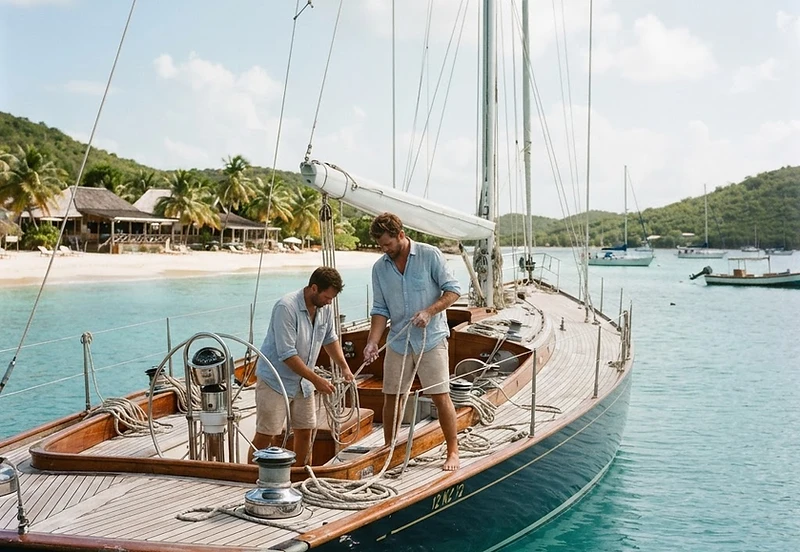
There is a specific, guttural groan that only a veteran 12-Metre hull emits when she is pushed hard against the trade winds. Aboard Northern Light, a wooden-hulled classic that has survived more decades of Caribbean racing than most men have seen years, that sound is our primary metronome. The spray off the bow is not the polite mist of a modern carbon cruiser; it is a solid, salt-heavy weight that keeps the crew focused and the foredeck permanently awash. We were beating toward the Tobago Cays, the turquoise expanse of the horseshoe reef opening ahead like a sudden, brilliant tear in the fabric of the deep Atlantic blue. Keeping this vessel on the wind requires a constant dialogue between the helmsman and the mast, a series of minute adjustments to the tension of the backstay, feeling the ship’s structural pulse through the thin rubber soles of our deck shoes.
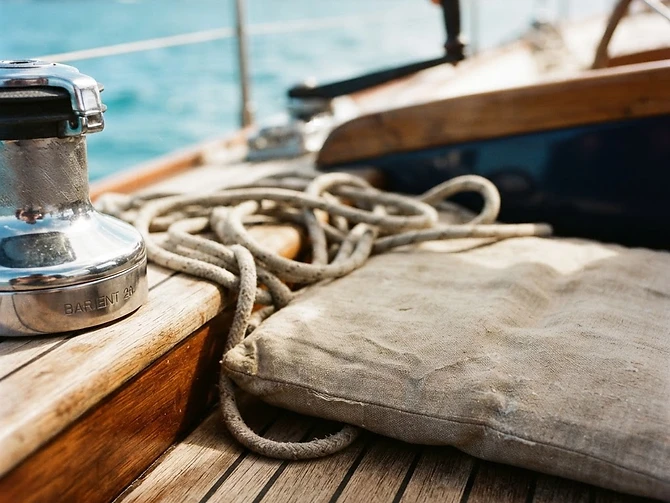
This is not a sterile environment. Every movement on deck is a negotiation with history. To handle a 12-Metre is to work with momentum and mass, managing the inertia of a keel that was designed before computer-aided design ever touched a naval architect’s drafting board. When the wind funnels between the islands of the Grenadines, the sheer load on the standing rigging reminds you that you are merely a guest of a mechanical spirit that predates the modern era. We cross the start line with a fractional overlap, the pressure of the wind filling the mainsail with a sharp, resonant snap that vibrates through the very bones of the deck planking.
Culinary Rhythms of the Anchor
Once the final mark is rounded and the sails are furled, the anchor bites into the sugar-fine sand of the Tobago Cays, and the frantic urgency of the regatta dissolves into the liquid, unhurried pace of island life. The galley team aboard, having made a necessary dawn run to the bustling fish market at Clifton on Union Island, has already begun the ritual of preparing the day’s bounty. There is a profound, unadorned honesty in the lunch we share in the cockpit: locally landed mahi-mahi, caught only hours prior, flash-grilled over charcoal and seasoned only with a squeeze of bitter lime and a generous pinch of hand-harvested salt sourced from the ancient salt ponds of Carriacou.
The plate is a map of the surrounding waters. We serve the fish alongside roasted plantains, their natural sugars deeply caramelized by the persistent island heat, providing a structural counterpoint to the vibrancy of the catch. The meal is accompanied by a bowl of fresh callaloo, the local greens braised with coconut milk and a whisper of heat from locally grown scotch bonnet peppers. This is not a formal engagement, but one defined by proximity; the ingredients have not travelled further than the distance between a local wooden skiff and our galley. Here, the "luxury" of the table is found not in white-glove service, but in the absolute, raw freshness of the land and sea.
The Quietude of the Leeward Coast
As the sun begins its heavy, golden descent toward the horizon, the tactical noise of the day fades into the steady, rhythmic lap of water against the hull. We watch the tender from a neighbouring yacht return from the shore near the Saltwhistle Bay beach club on Mayreau, its wake a thin, white scar on the glassy, darkening water. There is a unique, unhurried grace to these evenings. The crew eventually retreats to the saloon, where the oil-finished mahogany catches the amber light of the setting sun, and the scent of sea salt and weathered teak lingers in the stillness of the interior.
To sail a vessel of this pedigree is to accept that you are merely a custodian for a brief window of time, a temporary steward of the wood and the wind. We remain moored in the lee of the cay, the masthead light becoming a singular, swaying star against the immense, dark expanse of the Caribbean night. There is no desire to go elsewhere, no urge to break the spell. We simply wait for the morning’s trade winds to signal our return to the start line, leaving the rest of the world to drift in our wake.






